Recognizing the critical symptoms of a dying car battery is paramount for proactive vehicle maintenance, preventing unexpected breakdowns, and mitigating potentially extensive repair costs. A robust 12V power source is essential for the operational integrity of your vehicle, enabling everything from engine ignition to the consistent functioning of on-board electronics.
Ignoring these early warnings can leave you stranded or lead to more complex electrical issues within your vehicle’s system. Understanding these key indicators allows you to address the problem before it escalates, ensuring your vehicle remains reliable and safe for daily use. This guide will detail the five most critical symptoms and provide a step-by-step process for accurate diagnosis. For additional insights into recognizing a failing battery, explore our Top Symptoms Your Car Battery is Failing guide.
1. Slow Engine Crank or Delayed Start
One of the earliest and most common indicators of a weakening car battery is a noticeably slow engine crank. When you turn the ignition, the engine turns over sluggishly, taking longer than usual to start. This happens because the battery struggles to provide the sufficient current (Amperes) required by the starter motor, indicating a diminishing capacity to deliver the requisite electrical power.
A healthy 12V battery delivers a rapid burst of power to engage the starter motor. As the battery ages or degrades, its internal resistance increases, making it harder to supply this high amperage. The reduced electrical pressure (voltage) manifests as a weak, drawn-out cranking sound, often described as the engine “groaning” rather than a brisk start. If this symptom occurs, especially in colder temperatures, it strongly suggests your battery is nearing the end of its operational lifespan.
This slow crank is not merely an inconvenience; it puts additional strain on the starter motor, potentially shortening its lifespan if the battery issue is not addressed promptly. The starter motor requires a significant amount of electrical energy to initiate the combustion process, and an underperforming battery forces it to work harder with insufficient power. This repeated stress can lead to premature wear and tear on this vital component.
2. Dimming Headlights and Electrical Component Malfunctions
A failing battery often manifests through compromised electrical system performance, particularly evident in the vehicle’s lighting and accessories. If your headlights appear dimmer than usual when the engine is off or idling, or if interior lights flicker, it’s a strong indication that the 12V battery is not maintaining an optimal charge.
Beyond lighting, issues with other electrical components such as power windows operating sluggishly, the radio cutting out, or the dashboard clock resetting can point to insufficient voltage supply from the battery. Modern vehicles are equipped with numerous electronic control units (ECUs) and accessories that demand a stable power supply. Fluctuations or drops in voltage can cause these systems to malfunction intermittently.
These electrical anomalies are particularly noticeable when the engine is not running, as the battery is solely responsible for powering these components. Once the engine is started, the alternator typically takes over, maintaining the vehicle’s electrical load and recharging the battery. However, if the battery’s capacity is severely degraded, it may struggle to accept or hold a charge effectively, even with a functioning alternator.
3. Illuminated Dashboard Warning Lights
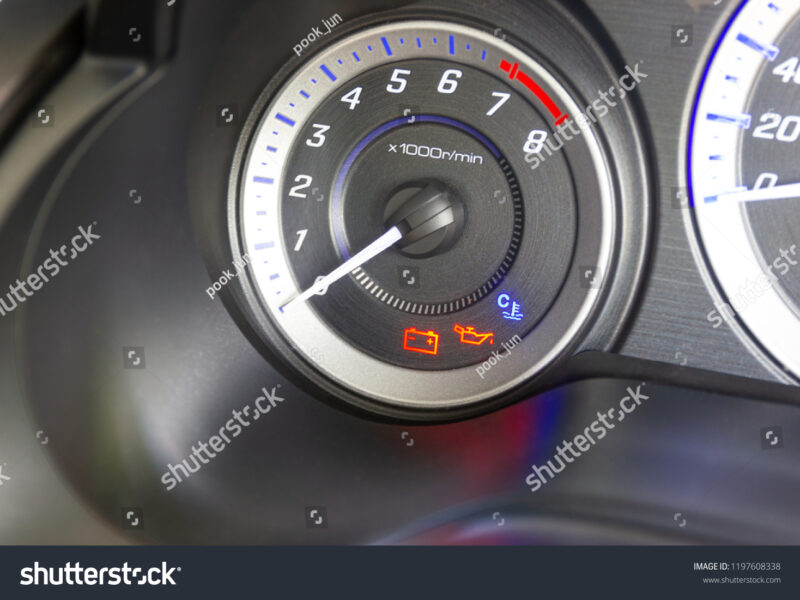
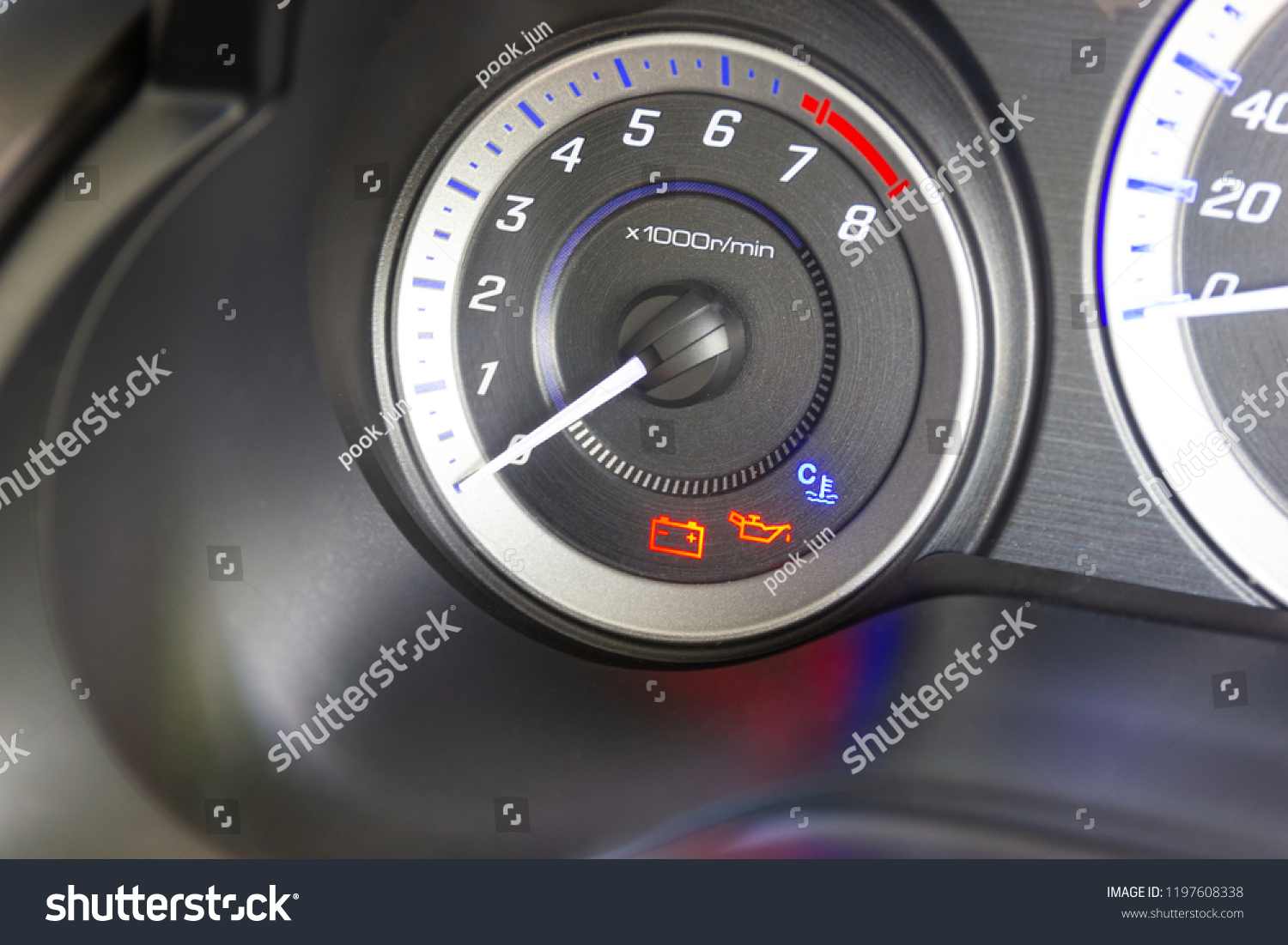
The vehicle’s sophisticated monitoring system includes specific dashboard warning lights designed to alert the driver to potential issues within the charging system. The most direct indicator of a battery problem is the illumination of the battery warning light, typically shaped like a battery icon. This light usually signifies that the charging system, which includes the battery and the alternator, is not operating within its optimal parameters.
While this light often points to a failing alternator that isn’t recharging the battery effectively, it can also illuminate if the battery itself is severely degraded and cannot hold a charge, regardless of the alternator’s output. In some advanced vehicles, a “Check Engine” light might also be triggered due to low system voltage affecting sensor readings or ECU operations.
It’s crucial not to ignore these warnings. A persistent battery light warrants immediate investigation, ideally with a diagnostic scan tool to pinpoint the exact nature of the fault within the 12V system. Timely diagnosis can prevent complete battery failure and ensure the longevity of other electrical components sensitive to voltage instability. For further reading on comprehensive signs, refer to our article on 8 Clear Signs Your Car Battery Is About to Die (And How to Test It).
4. Corrosion on Battery Terminals
Visible corrosion, typically a white, blue, or green powdery substance, accumulating around the battery terminals (positive and negative posts) is a significant physical sign of a dying battery. This corrosion is often zinc sulfate or lead sulfate, resulting from a chemical reaction between the battery’s acidic electrolyte and the metal terminals or connectors.
While minor corrosion can be normal over time, excessive build-up indicates a more serious issue, such as an electrolyte leak, overcharging, or a gas leak from within the battery. This corrosion creates resistance, impeding the flow of electrical current between the battery and the vehicle’s electrical system. This reduces the effective power reaching the starter motor and other components, mimicking the symptoms of a low charge.
Regular inspection and cleaning of battery terminals are vital for optimal performance. Even with proper maintenance, recurrent heavy corrosion can signify internal battery degradation, where the sealing around the posts or the internal structure is compromised. Addressing this symptom might involve cleaning the terminals and then performing a voltage test to assess the battery’s underlying health. You can find essential maintenance techniques in our Essential Car Battery Maintenance Tips for Longer Life and Reliability.
5. Distorted Battery Case (Swelling or Bloating)
A physically distorted battery case, appearing swollen, bloated, or cracked, is an unequivocal sign of severe internal battery damage and imminent failure. This condition is usually caused by excessive heat or overcharging, leading to the buildup of gases within the sealed battery cells.
When a battery is overcharged, the electrolyte inside can overheat and produce hydrogen gas at an accelerated rate. If this gas cannot escape efficiently, the internal pressure can cause the plastic casing to expand and deform. This swelling indicates compromised structural integrity and is a significant safety hazard, as it can lead to electrolyte leaks or even an explosion.
Environmental factors, such as sustained exposure to extreme high temperatures, can also exacerbate this issue, accelerating internal chemical reactions and gas production. If you observe any swelling or cracking on your 12V battery, it should be replaced immediately by a qualified professional, as it represents a critical failure state.
How to Accurately Test Your Car Battery with a Multimeter
A multimeter is an indispensable tool for precisely assessing the health of your car’s 12V battery and identifying specific voltage parameters. Before commencing any test, ensure your vehicle has been off for at least an hour to allow any surface charge to dissipate, providing a true resting voltage measurement. You should also turn on your headlights for approximately two minutes, then turn them off, to remove any residual surface charge. Set your multimeter to the 20V DC (direct current) range, typically indicated by a ‘V’ with a solid and dashed line above it.
To measure the resting voltage, connect the red (positive) probe of the multimeter to the positive (+) battery terminal and the black (negative) probe to the negative (-) battery terminal. A fully charged and healthy 12V battery should display a resting voltage of at least 12.6 volts, ideally between 12.6V and 12.8V. A reading of 12.2V indicates the battery is only 50% charged, while anything below 12.0V suggests a deeply discharged state that requires immediate attention and recharging.
Next, perform a cranking voltage test. With the multimeter still connected, ask someone to start the engine while you observe the voltage reading. A healthy battery should not drop below 9.6V during the cranking process. If the voltage dips significantly into the 8s or lower, the battery lacks the necessary cranking amps, especially under load or in cold conditions. Finally, test the charging system. With the engine running, the multimeter should show a voltage between 13.8V and 14.4V, indicating that the alternator is properly charging the battery and powering the vehicle’s electrical systems.
Understanding Car Battery Voltage Ranges
Interpreting voltage readings is critical for diagnosing battery health. A 12V automotive battery is comprised of six cells, each contributing approximately 2.1 volts when fully charged, totaling 12.6 volts. This specific voltage range dictates the battery’s state of charge and overall operational capacity.
Fluctuations from these established benchmarks signal various states of health or discharge. For instance, a reading of 12.4 volts typically indicates a 75% state of charge, while 12.0 volts suggests only a 25% charge. Prolonged operation or storage at a low state of charge, particularly below 12.0V, can lead to sulfation, a process where lead sulfate crystals harden on the battery plates, permanently reducing the battery’s capacity and ability to hold a charge.
Conversely, consistently high voltage readings, particularly above 14.7V with the engine running, may indicate an issue with the alternator’s voltage regulator, leading to overcharging. Overcharging can boil the battery’s electrolyte, cause internal damage, and significantly shorten its lifespan. Maintaining the battery within its optimal voltage range, both at rest and during operation, is essential for its longevity and performance.
| Resting Voltage (V) | Approximate State of Charge (%) | Condition |
|---|---|---|
| 12.6V or higher | 100% | Fully Charged & Healthy |
| 12.4V | 75% | Good Charge |
| 12.2V | 50% | Partially Discharged (Needs Charging) |
| 12.0V | 25% | Heavily Discharged (Critical) |
| Below 12.0V | 0-25% | Severely Discharged / Potentially Damaged |
Environmental Impact on 12V Car Battery Performance
Extreme environmental conditions significantly influence the performance and lifespan of a car’s 12V battery. Both excessively cold and hot temperatures can accelerate battery degradation and lead to premature failure. In cooler temperatures, a battery can experience a significant reduction in its starting power. Specifically, research indicates that for every 18°F (10°C) drop in temperature, a car battery can lose approximately 20% of its cranking power.
Cold temperatures thicken engine oil, making the engine harder to turn over, thus demanding more power from the battery at a time when its chemical reactions are slowed, reducing its output. This combination places immense strain on the battery, often exposing pre-existing weaknesses. Vehicles starting in sub-freezing conditions require a battery in peak condition to deliver the necessary current to the starter motor.
Conversely, high temperatures, particularly those above 77°F (25°C), are equally detrimental, if not more so, in the long term. Heat accelerates the chemical reactions inside the battery, leading to increased fluid evaporation in flooded lead-acid batteries and hastened internal corrosion. While cold weather often reveals a dying battery, hot weather typically shortens its overall lifespan, with the effects often becoming apparent during the subsequent cold season.
Types of 12V Car Batteries and Thermal Susceptibility
The automotive market offers several types of 12V batteries, each with distinct construction and varying degrees of thermal susceptibility. The most common type is the Flooded Lead-Acid (SLA) battery, known for its liquid electrolyte. While cost-effective, flooded batteries are particularly vulnerable to temperature extremes; high heat can lead to rapid fluid evaporation and plate corrosion, while freezing temperatures can cause the electrolyte to freeze, potentially cracking the casing.
Absorbed Glass Mat (AGM) batteries represent an upgrade, featuring an electrolyte absorbed in fiberglass mats. This design makes them sealed, maintenance-free, and more resistant to vibrations and deep discharges. AGM batteries generally perform better than standard lead-acid in both freezing and hot conditions, offering greater thermal stability. They are often preferred for vehicles with stop-start technology or extensive electronics due to their higher power output and faster recharging capabilities.
Lithium Iron Phosphate (LiFePO4 or LFP) batteries are emerging as the most advanced option, offering superior performance, longer life, and enhanced thermal stability. LiFePO4 batteries have lower internal resistance, allowing for high current delivery without significant voltage drop, leading to stronger starts, especially in cold weather. They are more resistant to heat-related damage and maintain closer to their full rated capacity even under heavy loads, making them ideal for extreme climates and high-demand applications, though they come at a higher initial cost.
Frequently Asked Questions (FAQs)
What is the ideal voltage for a fully charged 12V car battery?
The ideal resting voltage for a fully charged 12V car battery, after the vehicle has been off for at least an hour to dissipate any surface charge, is between 12.6 and 12.8 volts. A reading within this range indicates that the battery has 100% of its available charge and is in optimal condition to power your vehicle’s systems and crank the engine reliably. Anything below 12.4V suggests a partial discharge, necessitating a recharge to prevent long-term damage and ensure consistent performance.
How often should I test my car battery?
It is recommended to test your car battery at least twice a year: once before the onset of winter and once before summer. These periods represent critical transitions where extreme temperatures place significant stress on the battery’s performance. Additionally, if you notice any of the five critical symptoms discussed—slow cranking, dim lights, warning lights, corrosion, or a distorted case—an immediate test is warranted. Regular checks can help identify issues early, potentially saving you from unexpected breakdowns and costly emergency repairs.
Can a dying car battery damage other components?
Yes, a dying car battery can indeed cause damage to other critical components within your vehicle’s electrical system. A battery that consistently delivers insufficient voltage can strain the starter motor, forcing it to work harder and potentially shortening its lifespan. Furthermore, an unstable power supply can negatively impact sensitive electronic control units (ECUs) and other vehicle electronics, leading to malfunctions or premature failure. In severe cases, a failing battery can also put added stress on the alternator, causing it to overwork in an attempt to maintain system voltage, which can lead to its own failure. Maintaining a healthy battery is crucial for the overall integrity and longevity of your vehicle’s electrical infrastructure.
What voltage indicates a “dead” or severely discharged battery?
A 12V car battery is considered severely discharged or “dead” if its resting voltage consistently falls below 12.0 volts. At 12.0V, the battery typically retains only about 25% of its charge, making it highly unlikely to start the engine, especially in cold weather. If the voltage drops below 10.5 volts during cranking, it usually signifies a critical failure or a shorted cell. While some deeply discharged batteries can be recovered with a specialized charger, prolonged periods at such low voltages often lead to irreversible damage due to sulfation, necessitating replacement.