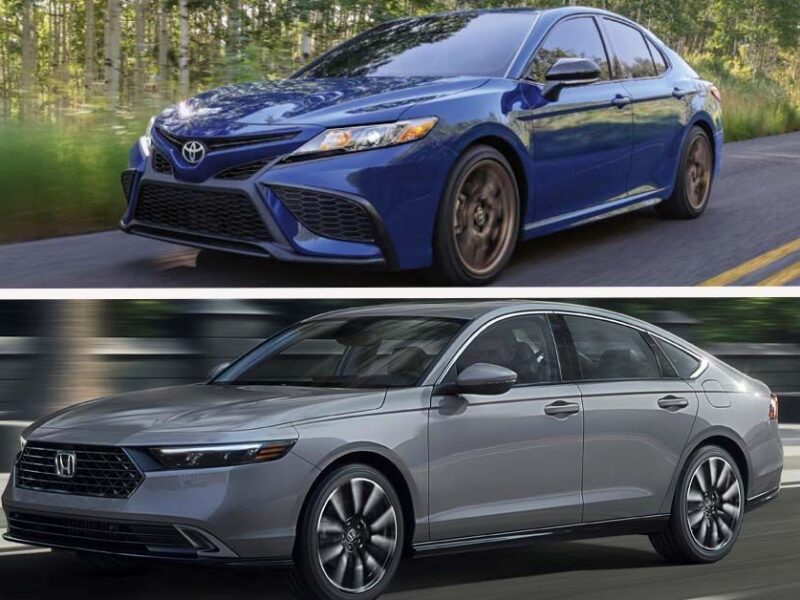
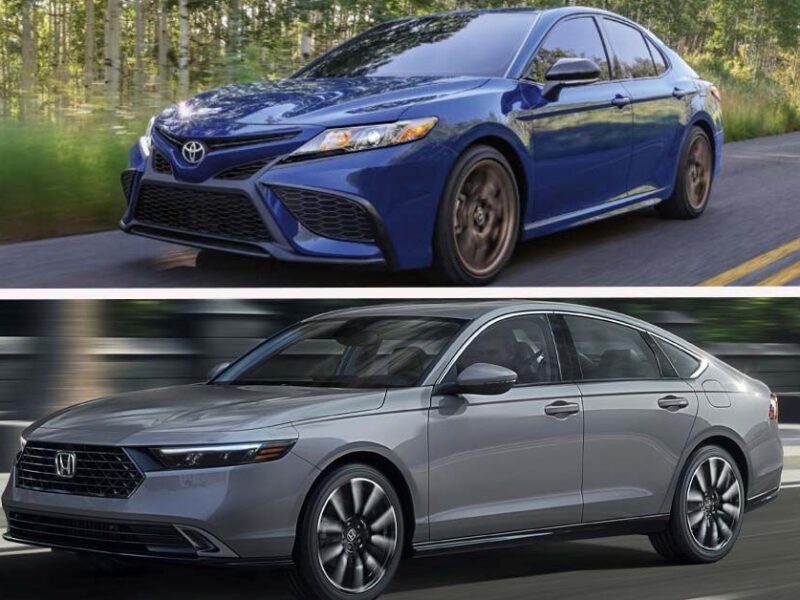
In the competitive landscape of compact SUVs, the 2020 Mazda CX-30 and the 2019 Honda CR-V stand out as two of the most appealing options. Each model offers a unique blend of design, performance, technology, and practicality. This detailed comparison aims to delve deeper into the specifications, features, and pricing of these two noteworthy vehicles.
Specifications Overview
| Feature | 2020 Mazda CX-30 | 2019 Honda CR-V |
|---|---|---|
| Engine | 2.5L 4-cylinder | 2.4L 4-cylinder or 1.5L turbocharged 4-cylinder |
| Horsepower | 186 hp | 190 hp |
| Torque | 186 lb-ft | 179 lb-ft (1.5L turbo) |
| Transmission | 6-speed automatic | CVT with sport mode |
| Fuel Economy (city/highway) | 25/33 mpg (FWD), 24/31 mpg (AWD) | 26/32 mpg (2.4L), 28/34 mpg (1.5L turbo) |
| Interior Space | 20.2 cu ft cargo | 39.2 cu ft cargo |
Design Comparisons
Exterior Design: The Mazda CX-30 presents a more sporty and stylish profile, characterized by sleek lines and premium aesthetics. In contrast, the Honda CR-V adopts a conventional, rugged appearance that emphasizes practicality and family-friendliness.
Interior Quality: Inside the CX-30, the focus on premium materials and a driver-centric layout enhances the overall experience, featuring an 8.8-inch touchscreen and high-quality finish. Meanwhile, the CR-V shines in its spacious cabin, practical layout, and a 7-inch or 9-inch touchscreen interface, depending on trims.
Technology and Safety Features
2020 Mazda CX-30: Equipped with the Mazda Connect infotainment system, the CX-30 boasts Apple CarPlay and Android Auto compatibility, as well as essential safety features inclusive of blind-spot monitoring and lane-keeping assist.
2019 Honda CR-V: The CR-V includes the Honda Sensing suite, offering advanced safety technologies like adaptive cruise control and collision mitigation braking. Higher trims feature larger touch screen displays, enhancing the infotainment experience.
Current Pricing
2020 Mazda CX-30: The base model starts at approximately $21,900, with well-equipped models priced around $28,000.
2019 Honda CR-V: The base version’s pricing begins near $25,000, while fully equipped models can reach up to $35,000.
Market Insights
Target Demographics: The CX-30 generally attracts younger consumers in search of stylish design and modern tech features. On the other hand, the CR-V appeals more to families and practical buyers due to its reliability and spaciousness.
Market Trends: The SUV market momentum continues to rise, signifying that both models are expected to hold their values over time. However, the Honda CR-V is noted to have superior resale value, primarily due to its established reputation.
Conclusion
In summary, both the 2020 Mazda CX-30 and the 2019 Honda CR-V offer compelling benefits. The CX-30 excels in design and interior quality, while the CR-V maintains its status as a top choice for spaciousness and versatility. Ultimately, the right choice depends on personal preferences, family requirements, and budget considerations.
Final Recommendations
Potential buyers should prioritize test-driving both models to experience their distinct characteristics firsthand. Beyond that, staying informed about financing options and dealership promotions could enhance the overall purchasing experience.
FAQs
What are the main differences between the 2020 Mazda CX-30 and 2019 Honda CR-V?
The main differences include engine specifications, design philosophy, and interior space. The CX-30 offers a turbocharged engine option, while the CR-V provides a more spacious cargo area. The design of the CX-30 leans toward a sporty aesthetic, whereas the CR-V emphasizes practicality.
What are the fuel economy ratings for both SUVs?
The 2020 Mazda CX-30 delivers approximately 25 mpg in the city and 33 mpg on the highway for FWD models, while the 2019 Honda CR-V achieves around 26 mpg in the city and 32 mpg on the highway (for the 2.4L engine).
How do the safety features compare in both models?
The Mazda CX-30 highlights its active safety features like blind-spot monitoring and lane departure warning. In contrast, the Honda CR-V comes with the Honda Sensing suite, providing features like adaptive cruise control and collision mitigation, focusing on comprehensive safety technology.
Where can I find more comprehensive comparisons and reviews?
For additional information, you can read about Hydrogen Fuel Cell vs. Battery Electric Vehicles or explore The Ultimate Electric SUV Review for insights into other vehicle classes.