Recognizing the warning signs of a dying car battery is crucial for proactive vehicle maintenance, allowing you to address issues before an unexpected breakdown leaves you stranded. According to a study by AAA, nearly 20% of drivers experience battery-related issues over a two-year period, making it one of the most common vehicular problems faced on the road today.
What are the Definitive Indicators of a Slow Engine Crank?
A slow engine crank is often the primary and most noticeable symptom that your car’s 12V power source, the battery, is losing its ability to deliver sufficient starting power. When you turn the ignition, the engine turns over sluggishly, sounding strained or hesitant, rather than the quick, robust start you’re accustomed to. This diminished cranking speed indicates that the battery’s internal chemical reactions are struggling to produce the high current spikes required by the starter motor, typically around 200 to 300 amps.
This phenomenon occurs because the battery’s capacity has degraded, meaning it can no longer hold an optimal charge or discharge effectively under load. The starter motor, a key component requiring significant power, receives an inadequate supply, resulting in a prolonged and weak cranking process. According to recent data, a healthy battery should allow for a start time of less than 2 seconds; anything longer suggests detrimental battery health. Addressing this early can prevent further strain on other electrical components.
Over time, this slow crank will become more pronounced, particularly during colder mornings or after the vehicle has been sitting for an extended period. For instance, temperatures below 32°F (0°C) can reduce battery efficiency by up to 35%, exacerbating starting issues. A healthy car battery provides a swift, almost instant start, and any deviation from this norm should be a clear red flag. You can learn more about these critical indicators in detail by consulting resources like 8 Clear Signs Your Car Battery Is About to Die (And How to Test It).
How Do Electrical System Malfunctions Signal Battery Weakness?
Flickering lights, dim headlights, or inconsistencies with your vehicle’s electronic accessories are strong indicators of a failing car battery. As the primary 12V power source, the battery is crucial in meeting the electrical demands of your vehicle. When the battery’s charge diminishes, the electrical system receives fluctuating power, leading to erratic behavior from lights, radio, power windows, and other onboard electronics. For example, in vehicles like the 2017 Honda Civic, users report dimming headlights as an early indication of battery failure.
For instance, if your headlights appear dimmer than usual when the engine is off, or if they brighten noticeably once the engine starts, it suggests the alternator is compensating for a weak battery. Similarly, power windows that operate slowly or a radio that cuts out intermittently are direct consequences of an unstable voltage supply averaging below 12.0 volts during operation. These symptoms are often more apparent during periods of high electrical demand, such as using air conditioning or multiple accessories simultaneously.
A compromised battery affects not just cosmetic elements but critical safety features as well. Modern vehicles rely heavily on stable electrical current for systems like ABS, traction control, and infotainment. Any intermittent operation of these systems, even subtle, points towards an underlying power deficiency that requires immediate attention to prevent more significant complications. Further insights into these symptoms can be found in our guide on Top Symptoms Your Car Battery is Failing.
When Do Dashboard Warning Lights Indicate Battery Problems?
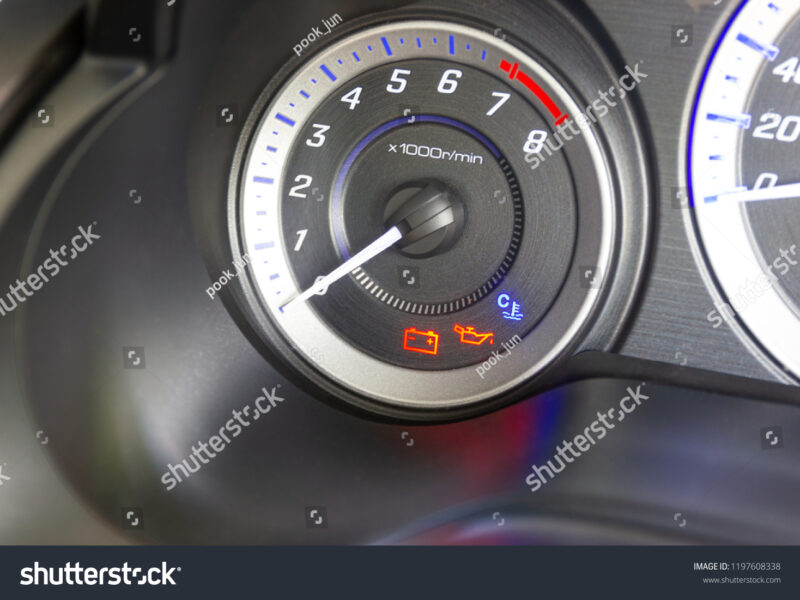
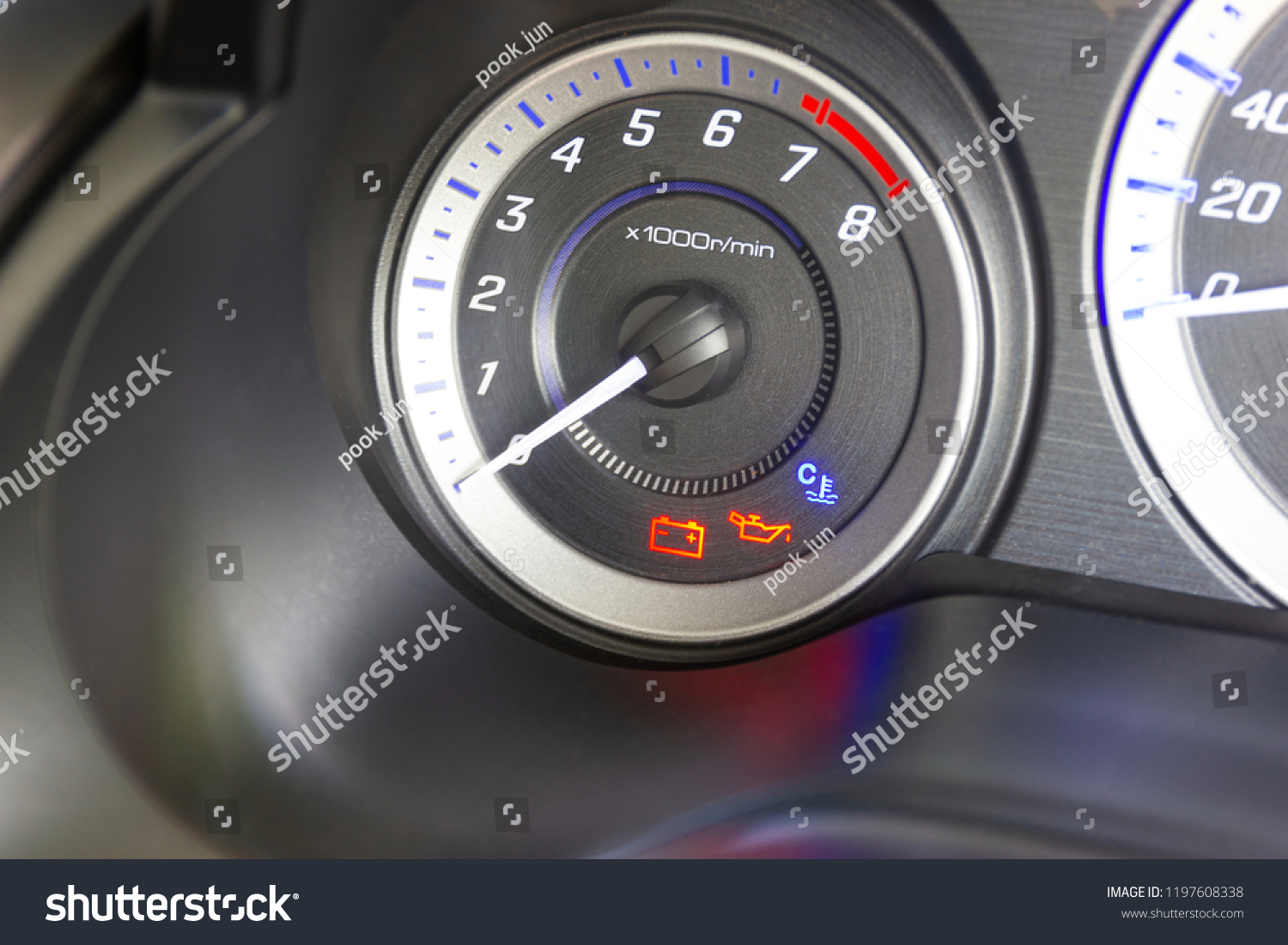
The illumination of specific warning lights on your dashboard, particularly the battery light or check engine light, can directly signal a dying car battery. The battery warning light, often depicted as a battery icon, indicates a problem with the vehicle’s charging system, which includes the battery, alternator, and voltage regulator. If this light comes on while driving, it means the battery isn’t receiving an adequate charge from the alternator, which typically should be charging at about 14.4 volts.
While a continuous battery light typically points to charging system issues, a check engine light can sometimes be triggered by low voltage. Modern vehicle control modules like those in a 2020 Ford F-150 are highly sensitive to voltage fluctuations. When the battery’s output drops below optimal levels—around 12.4 volts for a healthy charge—these modules may register errors, activating the check engine light as a general warning. It’s crucial not to ignore these indicators, as a seemingly minor light could escalate into a complete vehicle shutdown.
These warning lights are designed to alert drivers to potential problems before they become critical failures. If you observe any such lights, especially in conjunction with other symptoms like a slow crank or electrical issues, it’s advisable to have your vehicle’s electrical system professionally inspected. Early diagnosis can save you from inconvenient breakdowns and potentially costly repairs, maintaining the operational integrity of your vehicle’s 12V power source.
What Physical Symptoms Point to an Imminent Car Battery Failure?
Beyond electrical performance, visible physical signs can unequivocally indicate a car battery on its last legs. A swollen or bloated battery case is a critical warning, often caused by excessive heat, overcharging, or internal chemical reactions that lead to gas buildup. This physical deformity suggests severe internal damage, making the battery prone to rupture, as evidenced by consumer reports regarding several models like the 2015 Toyota Camry.
Corrosion around the battery terminals, typically appearing as a fuzzy, blue, green, or white powdery substance, is another signal of a problem. While minor corrosion can be normal, excessive buildup, often exceeding 1mm in thickness, indicates poor connection, leaking battery acid, or an overcharging issue. This corrosion impedes the flow of electrical current, reducing the battery’s efficiency and hindering its ability to deliver consistent power to the starter motor and other vehicle components.
Furthermore, a distinctive rotten egg smell emanating from the battery area is a strong indicator of a sulfuric acid leak, often resulting from internal short circuits or overcharging that causes the electrolyte solution to boil. This smell, combined with visible leakage from the battery case, signifies a severely damaged battery that requires immediate replacement. Ignoring these physical warnings can lead to complete battery failure and significant damage to surrounding engine bay components, especially in models with intricate wiring harnesses.
How Do Extreme Temperatures Impact a Dying Car Battery’s Performance?
Extreme environmental temperatures significantly accelerate the degradation of a car battery and expose existing weaknesses, making them a crucial factor in diagnosing an ailing 12V power source. In cooler temperatures, batteries can experience a substantial reduction in their starting power, losing approximately 20% of their cranking capability when temperatures drop significantly, especially below 32°F (0°C). This is because the chemical reactions within the battery slow down, making it harder to deliver the necessary current to the starter motor, often leading to complete vehicle refusal to start.
Conversely, high temperatures, particularly those above 90°F (32°C), can be even more detrimental to battery longevity. Prolonged exposure to heat causes internal fluids to evaporate more quickly and accelerates internal corrosion of the lead plates. Research indicates that for every 18°F (10°C) increase in temperature above 77°F (25°C), the internal degradation rate of a conventional flooded lead-acid battery can double, resulting in a lifespan reduction from 3-5 years to as little as 2 years under extreme conditions.
If your vehicle consistently struggles to start in cold weather, or if you’ve noticed a decreased battery life after extended periods in hot climates, it’s a strong sign your battery is nearing the end of its functional life. These environmental stressors act as a litmus test, revealing a battery that already has diminished capacity or internal damage. Proactive measures, such as those outlined in Essential Car Battery Maintenance Tips for Longer Life and Reliability, can significantly mitigate these effects, extending battery longevity by an average of 20%.
Comparative Battery Voltage Levels and Health
Understanding the voltage readings of your car battery is fundamental to assessing its health and charge status. Different voltage levels correspond to specific states of charge, and deviations can indicate a dying battery or underlying issues. The table below summarizes the correlation between voltage levels and battery health:
| Battery State | Voltage Reading (at rest, engine off) | Implication |
|---|---|---|
| Fully Charged | 12.6 Volts (V) to 12.8 Volts (V) | Optimal health and full capacity. |
| 80% Charged | ~12.4 Volts (V) | Slightly discharged, generally functional. |
| 50% Charged | ~12.2 Volts (V) | Moderately discharged, may cause slow crank. |
| Low Charge / Discharged | Below 12.0 Volts (V) | Significant discharge, likely unable to start vehicle. Could indicate internal damage or sulfation. |
| Damaged / Failing | Below 10.0 Volts (V) during cranking | Battery is likely sulfated or has a dead cell, requiring immediate replacement. |
Measuring your battery’s voltage with a quality digital multimeter is a simple yet effective way to gauge its condition. For more advanced diagnostics, a conductance analyzer can assess the battery’s internal resistance and cold-cranking amps (CCA), providing a more comprehensive picture of its remaining life and ability to perform under load.
Frequently Asked Questions About Dying Car Batteries
How can I physically test my car battery for signs of failure?
To physically test your car battery for signs of failure, you can use a few specific tools. The most common tool is a digital multimeter to check the static voltage. With the engine off and accessories disconnected for at least 30 minutes, a healthy fully charged 12V lead-acid battery should read between 12.6V and 12.8V. A reading below 12.4V suggests a discharged battery, while anything consistently below 12.0V, especially during a starting attempt, often indicates a failing unit or a dead cell. For a more comprehensive assessment, a dedicated battery load tester or a conductance analyzer can measure the battery’s Cold Cranking Amps (CCA) and internal resistance.
These tools simulate startup conditions, revealing if the battery can meet the demands of the starter motor or if it has significant internal degradation. For instance, when a load of 100 amps is applied during testing, a healthy battery should be able to maintain a voltage above 9.6 volts for at least 15 seconds. If it cannot, then replacement is recommended to avoid being stranded due to an unexpected failure.
Do different 12V battery technologies show varying symptoms of failure?
Yes, while core symptoms like slow cranking are universal, different 12V battery technologies can exhibit subtle variations in their failure signs. Traditional flooded lead-acid batteries (FLA) often show visible physical degradation, such as corrosion around terminals and acid leakage, along with a distinct sulfuric odor when failing. For instance, lead-acid batteries manufactured by Exide have been reported to show significant corrosion issues after 2-3 years in high-temperature environments.
Absorbed Glass Mat (AGM) batteries, being sealed, are less prone to leakage or corrosion but might swell visibly if overcharged, indicating internal pressure buildup. Gel cell batteries, also sealed, are more sensitive to overcharging and can suffer from “thermal runaway,” which leads to significant heat and potential damage, though outward signs might be less dramatic than FLAs. All types will eventually show diminished voltage and reduced CCA, but the physical manifestation of impending failure can differ. Regular voltage checks and professional load tests are vital for all battery types to ensure reliability.
What exact voltage values define a charged, discharged, or damaged car battery?
The exact voltage values are crucial for accurately defining the state of a car battery’s health. A fully charged 12V lead-acid battery, measured at rest (engine off, no load) for at least 30 minutes, should read between 12.6V and 12.8V. At 12.4V, the battery is considered approximately 80% charged, which is still functional but indicates some discharge. A reading of 12.2V signifies about a 50% charge, leading to noticeable slow cranking. When the voltage drops below 12.0V, the battery is significantly discharged and likely won’t be able to start the vehicle reliably.
A battery that consistently reads below 10.0V during a cranking attempt, or fails to recover above 12.0V after charging, is typically considered damaged, often due to sulfation or a dead cell, and requires replacement. These precise voltage thresholds serve as critical diagnostic benchmarks for battery health. Professional automotive technicians also advocate for immediate testing if voltage levels fluctuate, as it usually indicates underlying electrical issues that need addressing.