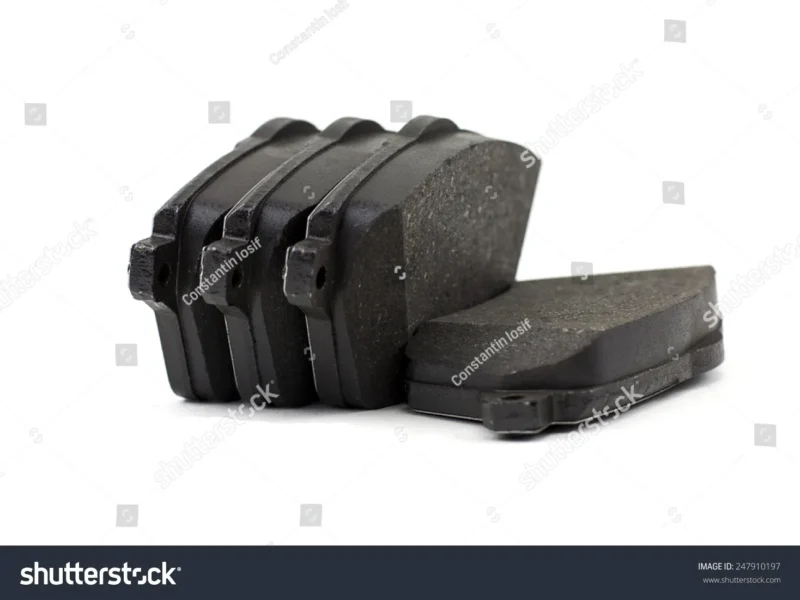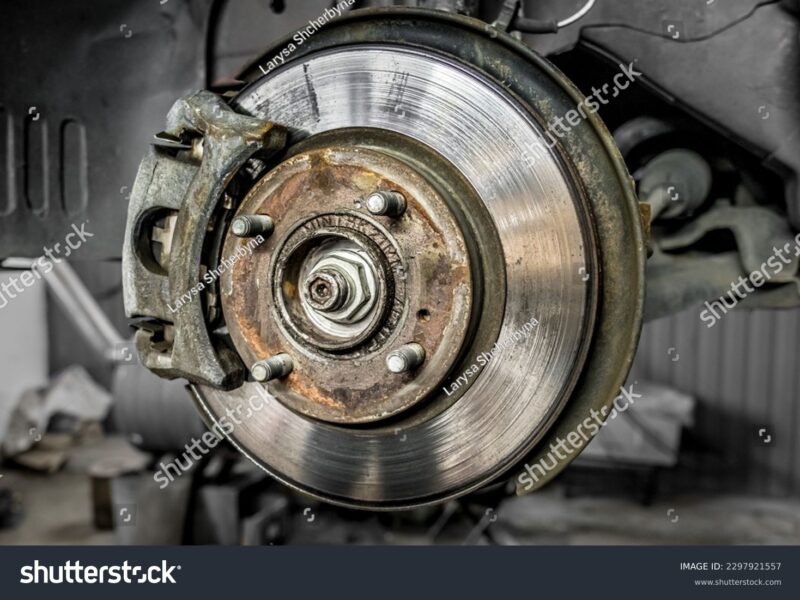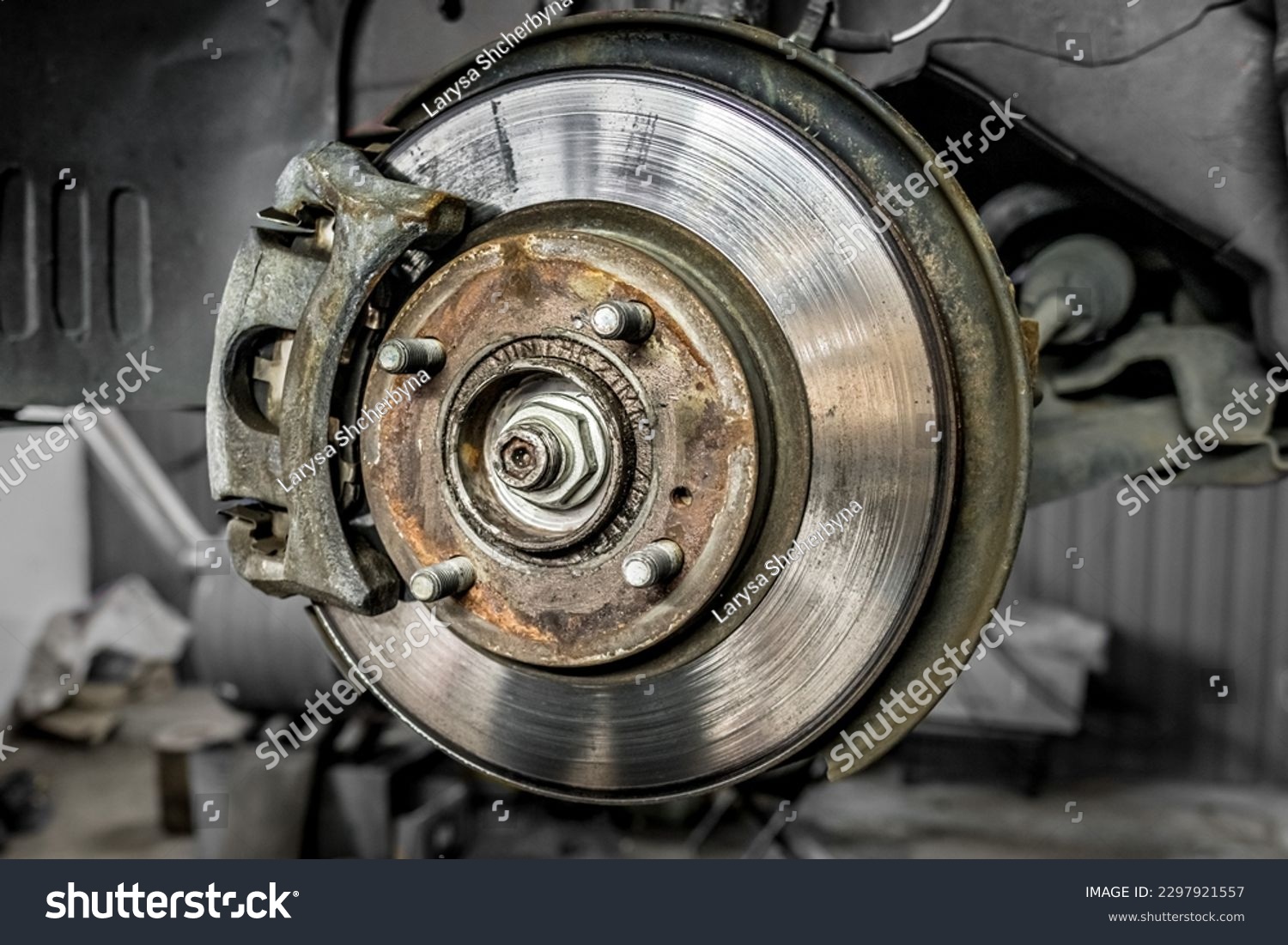
Brake pads serve as one of the most critical components in your vehicle’s braking system, designed to create the necessary friction with the brake rotors to safely decelerate your vehicle. Typically, the lifespan of brake pads falls within the range of 30,000 to 70,000 miles, but numerous factors can influence this variability. These can include driving habits, vehicle types, and even the specific materials incorporated in the pads. Recognizing the warning signs of brake pad wear is essential for ensuring both safety on the road and avoiding potentially costly repairs related to your vehicle’s braking system.
To maintain your vehicle’s reliability, it’s crucial to grasp the factors that influence brake pad longevity while also differentiating between normal wear and early signs of damage. This understanding not only allows for timely replacement but ensures effective stopping power during critical moments. Replacing brake pads at the right time is fundamentally a matter of safety—not just for you but for all road users, including pedestrians.
Regular inspections and proactive maintenance are essential to ensure optimal brake function. Although brake pads are designed to endure significant friction and heat, their finite lifespan requires constant vigilance. Disregarding the evident signs of wear could result not only in financial burdens but also in serious safety risks, compromising the effectiveness of your entire braking system.
What Are the Key Factors Influencing Brake Pad Lifespan?
The lifespan of brake pads is highly variable and heavily influenced by several factors. For instance, aggressive driving behaviors—marked by frequent rapid accelerations, abrupt stops, and hard braking—can considerably accelerate brake pad deterioration. In contrast, drivers who exercise caution by maintaining adequate distance from other vehicles, using gradual braking techniques, and anticipating traffic conditions can significantly extend the lifespan of their brake pads, occasionally reaching the upper limit of 70,000 miles.
The weight and type of your vehicle also significantly impact brake pad wear. For example, larger vehicles like the Ford F-250, known for its heavy-duty capabilities, will experience faster brake pad degradation compared to lighter vehicles, such as the Honda Civic. Even with identical driving conditions, the weight and force exerted during braking necessitate more friction for larger vehicles, thereby causing quicker wear. Moreover, vehicles with automatic transmissions, commonly found in urban settings, may face increased brake pad wear due to frequent stop-and-go conditions.
The material composition of the brake pads serves as another determinant of their longevity. For instance, ceramic brake pads are well-regarded for their durability and low dust output, often allowing for lifespans exceeding 60,000 miles. Conversely, semi-metallic pads exhibit excellent stopping power but may produce more noise and lead to accelerated rotor wear. Additionally, organic or Non-Asbestos Organic (NAO) pads typically offer quicker braking response but often yield shorter service durations. Understanding the unique pros and cons associated with each brake pad type is vital for making an informed decision that can significantly influence lifespan and performance.
What Are the Audible Signs of Worn Brake Pads?
Among the most immediate indicators that your brake pads may be nearing the end of their usable life are distinct auditory signs. A characteristic high-pitched squealing or squeaking noise when applying the brakes is often a primary warning signal. Most modern brake pads incorporate a built-in wear indicator—an engineered metal tab that makes contact with the rotor when the friction material has worn down to a critical level, alerting drivers to low pad thickness. This sound effectively acts as an early warning system, urging drivers to seek inspection before complete failure occurs.
Ignoring persistent noises can escalate into severe issues, including detrimental metal-on-metal contact between the caliper and rotor, causing extensive damage to the entire braking system. Hence, if one starts to notice this noise, it is crucial to have the vehicle inspected promptly. Moreover, experiencing a grinding noise indicates that the friction material is entirely gone and that the metal backing plate of the brake pad is now scraping against the rotor, leading to not only diminished braking performance but potentially necessitating both pad and rotor replacements.
It is essential to differentiate between occasional light squeaks and continuous loud squealing or grinding noises, as the latter demands immediate professional intervention. Consistent loud noise from your brakes should never be overlooked; neglecting these audible markers can transform a simple brake pad replacement into a comprehensive overhaul of your braking system.
What Visual and Tactile Indicators Point to Brake Pad Wear?
Visual and tactile cues are invaluable when assessing brake pad condition. By conducting a direct visual inspection through the spokes of your wheels, you can effectively assess the remaining thickness of the brake pads. Typically, new brake pads possess a friction material thickness around 10-12 millimeters. Observing this thickness drop to approximately 3-4 millimeters is a crucial guideline for replacement to ensure effective braking performance and safety.
If the friction material appears significantly thinner or you notice uneven wear across the surface, it signals the need for professional evaluation. Uneven wear could indicate underlying issues, such as a stuck caliper piston or warped rotor, which should be addressed during the brake pad replacement process. Additionally, observing visible metal-on-metal contact denotes severe wear, necessitating immediate attention to avert further vehicle damage.
Moreover, tactile feedback from the brake pedal’s response can yield key insights into brake pad condition. If the brake pedal feels notably soft or spongy, or if it sinks lower before engaging, the pads may be critically worn or hydraulic system issues may be present. Conversely, if the brake pedal feels excessively hard and requires strenuous effort to stop the vehicle, it suggests both significant wear and potential problems with the brake booster system. Addressing these tactile indicators is paramount in maintaining control and ensuring safety on the road.
What Are the Recommended Minimum Thickness and Replacement Intervals for Brake Pads?
Industry standards generally recommend a minimum brake pad replacement thickness of approximately 3-4 millimeters (around 0.12-0.16 inches). While some auto manufacturers may permit slightly lesser thickness, operating below this threshold places braking efficiency and safety at significant risk. For instance, manufacturers such as BMW and Mercedes-Benz advocate for replacement when thickness decreases to 3 millimeters to uphold their vehicles’ performance standards.
It is crucial to distinguish between routine inspections of brake pads and waiting to hear audible wear indicators that signal danger. The latter serves as a final alert, while proactive inspections every 10,000-15,000 miles or during routine maintenance like tire rotations allow for timely replacements before pads reach a critical wear level. This proactive approach not only enhances safety but also protects brake rotors from damage, which can incur substantial repair costs if left unchecked.
Other considerations, including vehicle transmission type, significantly influence brake pad longevity. Vehicles fitted with manual transmissions typically experience reduced wear on their brake pads due to the option of engine braking, potentially extending their lifespan by about 10-15%. Conversely, vehicles with automatic transmissions often undergo accelerated pad wear, particularly in heavy traffic environments. Understanding how various driving behaviors and vehicle specifications affect brake pad lifespans is crucial for effective vehicle maintenance.
Adhering to these recommendations not only optimizes braking system performance but also safeguards other components—including calipers and brake lines—from undue damage or premature failure. Proactive maintenance stands as a fundamental practice for safe vehicle operation.
| Brake Pad Material Type | Average Lifespan (Miles) | Pros and Cons |
|---|---|---|
| Organic (NAO) | 30,000 – 40,000 | Quiet, gentle on rotors, cost-effective / Short lifespan, generates more dust |
| Semi-Metallic | 40,000 – 60,000 | Excellent stopping power, good heat transfer / Noisier, harsher on rotors |
| Ceramic | 60,000 – 70,000+ | Quiet, low dust output, long-lasting / More expensive, less effective in extreme cold |
| Low-Metallic NAO | 40,000 – 50,000 | Good performance, lower dust than semi-metallic / Can produce noise, more costly |
FAQs About Brake Pad Lifespan and Replacement
How often should I inspect my brake pads?
It is highly advisable to conduct brake pad inspections at least every 10,000 miles or during routine maintenance such as oil changes or tire rotations. This consistency allows for continuous monitoring of the remaining friction material thickness and helps in proactively identifying any potential issues within the braking system. Proactive inspections can lead to timely replacements, preventing unexpected failures and financial strains, thereby fundamentally ensuring the continued safety and reliability of your vehicle’s stopping power.
For optimal functionality, drivers should aim to conduct these checks at least twice a year, allowing ample opportunity to detect wear before it leads to critical failures. Regular inspections will ensure that your vehicle remains safe and reliable, safeguarding not just the driver, but everyone else on the road.
Can driving style really impact how long brake pads last?
Undoubtedly, driving behavior stands out as a significant determinant of brake pad longevity. Engaging in aggressive driving practices—such as rapid acceleration followed by sudden stops—can severely expedite pad wear. For example, a driver frequently navigating congested urban traffic and engaging in hard braking may find their brake pads nearing the end of their functionality at approximately 30,000 miles. Conversely, a driver who typically operates their vehicle smoothly on highways can extend their brake pad lifespan well beyond 70,000 miles. Additionally, those using engine braking in manual vehicles can effectively reduce brake material degradation, further improving longevity.
Thus, optimizing car operation not only maximizes brake pad life but also enhances overall safety and fuel efficiency. Practicing patience and consideration in driving behaviors can lead to tangible improvements in maintenance intervals.
What is the typical minimum thickness for brake pad replacement in millimeters?
The widely accepted industry standard typically outlines a minimum thickness for brake pad replacement at around 3-4 millimeters. However, some manufacturers may specify slightly different tolerances; for instance, some performance vehicles might even suggest replacement at as little as 2 millimeters. Allowing brake pads to wear beyond this threshold can compromise braking efficiency and raise the risk of rotor damage. Therefore, it is crucial to consult your vehicle’s owner’s manual or a certified mechanic to confirm the precise specifications that align with your automobile’s unique safety and performance needs.
Staying aware of these critical thresholds is essential for maintaining safe vehicle operation. Following the recommended guidelines will enable you to better ensure reliable and effective brake system functioning.
Do heavier vehicles wear brake pads faster?
Absolutely, heavier vehicles invariably exert greater demands on their braking systems, which accelerates brake pad degradation. To illustrate, a large SUV like the Chevrolet Silverado, often weighing over 5,000 pounds, typically depletes brake pads more quickly compared to a lightweight sedan such as the Toyota Corolla, even when both vehicles are subject to the same driving conditions. The relationship between vehicle mass and necessary braking force is underscored by the increased kinetic energy that must be dissipated during stops, thereby leading to faster wear on the brake pads.
This effect becomes even more pronounced when heavier vehicles are routinely loaded with passengers or cargo, which adds even more strain to the braking system. Understanding how your vehicle’s characteristics affect brake pad lifespan is essential for appropriate maintenance practices and ensuring ongoing safety on the road.
Are ceramic brake pads always better than semi-metallic pads?
While ceramic brake pads present several distinct advantages—including superior durability, quieter operation, and lower dust emissions—they are not universally superior to semi-metallic pads. Ceramic pads are often ideal for everyday driving, frequently lasting beyond 60,000 miles. However, semi-metallic pads generally perform better in high-performance scenarios, providing superior heat dissipation and increased friction under aggressive driving conditions.
The decision between ceramic and semi-metallic pads ultimately depends on individual driving styles, preferences regarding noise and dust levels, and the specific demands of the vehicle in question. Balancing these factors is imperative for choosing the brake pad that best meets your needs while ensuring optimal performance and safety.