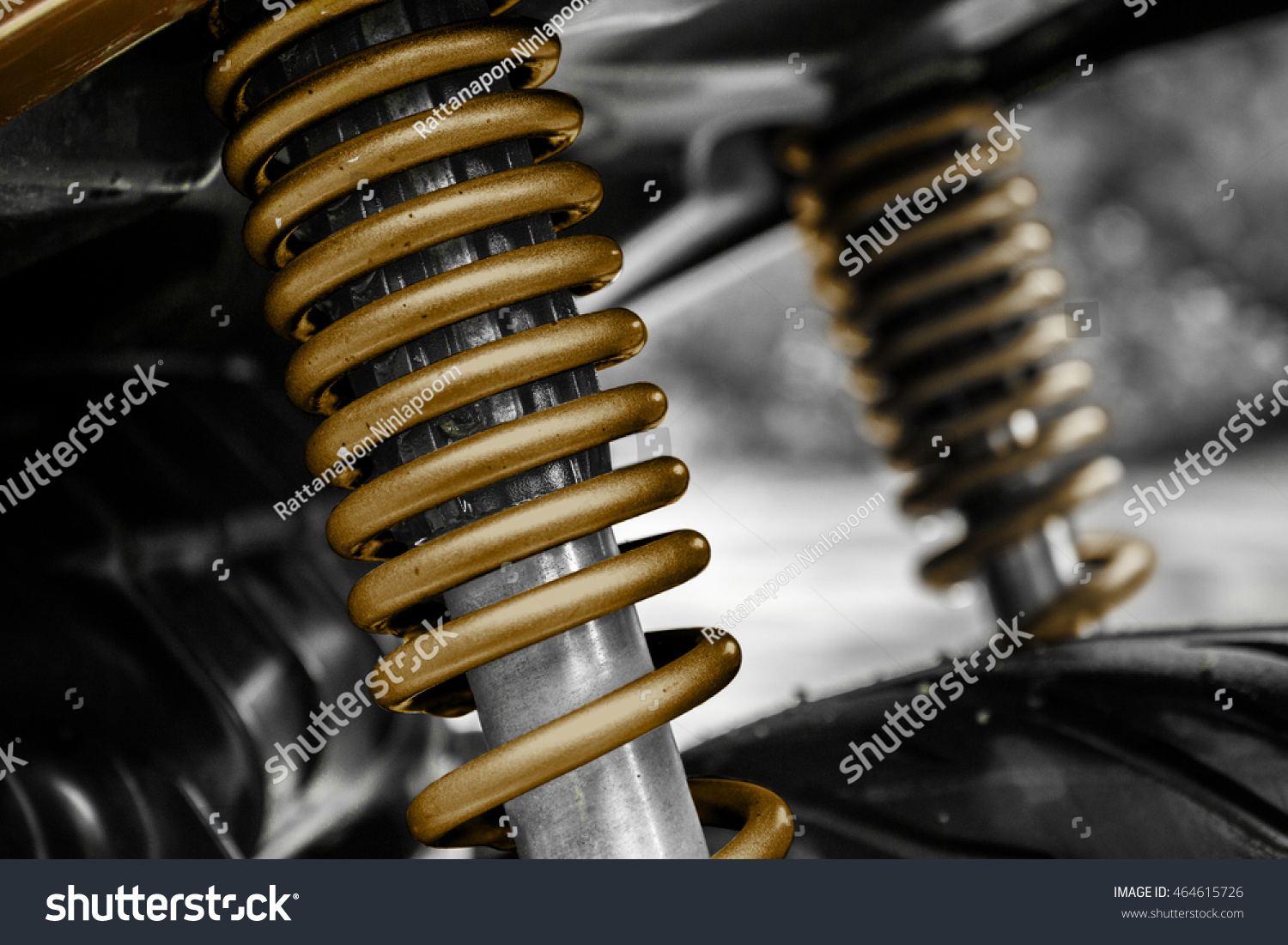
Identifying the signs of bad shock absorbers is crucial for maintaining your vehicle’s safety, handling, and overall performance. These vital suspension components are responsible for dampening spring oscillations, ensuring your tires maintain consistent contact with the road, and providing a stable, comfortable ride. Ignoring early indicators of wear can lead to severe safety risks, compromised handling, and accelerated wear on other critical vehicle systems.
When your shock absorbers begin to fail, they stop performing their essential function of absorbing and dissipating kinetic energy from road imperfections. This diminished capability translates into noticeable changes in your vehicle’s behavior, affecting everything from braking efficiency to tire longevity. Being proactive in recognizing these symptoms can prevent more costly repairs and significantly enhance your driving safety.
1. Is Your Car Bouncing Excessively After Bumps?
One of the most immediate and recognizable signs of failing shock absorbers is excessive bouncing or oscillations after hitting a bump or dip in the road. Properly functioning shock absorbers quickly dampen the movement of the vehicle’s springs, allowing the car to settle almost instantly. However, when these suspension components are worn out, they lose their ability to control these movements.
A telltale symptom is if your vehicle continues to bounce more than three times after encountering an obstacle, such as a speed bump or pothole. This prolonged oscillation indicates that the shock absorbers are no longer effectively absorbing impact, leading to a noticeable reduction in vehicle stability and driver control. This condition not only makes the ride uncomfortable but also compromises the vehicle’s ability to maintain proper tire contact with the road surface, which is critical for traction.
The “bounce test” is a simple method to check this: firmly press down on one corner of your car and release it. If the vehicle bounces more than one or two times before settling, it’s a strong indication that the shock absorbers are failing and require inspection. This excessive rebound can lead to a significant loss of traction, especially on uneven surfaces or during sudden maneuvers, posing a direct safety hazard.
2. Does Your Vehicle Nose-Dive When Braking or Squat During Acceleration?
Another critical indicator of worn shock absorbers is pronounced “nose-diving” during braking or excessive “squatting” during acceleration. When you apply the brakes, a healthy suspension system distributes the vehicle’s weight evenly, maintaining stability. However, with compromised shock absorbers, the front end of the vehicle can dip excessively, shifting weight rapidly forward and reducing traction on the rear tires.
This dramatic shift in weight not only impacts passenger comfort but, more importantly, significantly increases your stopping distance. Studies show that worn shocks can increase braking distances by up to 10 feet from highway speeds with just one worn shock, or even 20-30% in general. For instance, a vehicle that typically stops in about 130 feet at 60 mph might require 160-180 feet or more with worn shocks, which can be the difference between a safe stop and a collision. The loss of consistent tire-to-road contact caused by worn shocks means your brakes cannot perform optimally, even if they are brand new.
Conversely, during rapid acceleration, worn rear shock absorbers can cause the vehicle’s rear end to squat excessively, lifting weight off the front tires. This reduces the effectiveness of front-wheel drive and steering control. Both nose-diving and squatting demonstrate a critical loss of control over vehicle body motion, directly affecting both safety and driving dynamics.
3. Are Your Tires Showing Uneven Wear Patterns (Cupping or Scalloping)?
Uneven tire wear, particularly patterns like “cupping” or “scalloping,” is a strong visual cue that your shock absorbers are not functioning correctly. Shock absorbers play a crucial role in maintaining consistent and even pressure distribution across all four tires, ensuring uniform contact with the road surface.
When shock absorbers are worn, they fail to keep the tires firmly planted on the road, allowing them to bounce or “hop” more frequently. This inconsistent contact leads to patches of the tire tread wearing out faster than others, creating a distinctive wavy or scooped pattern. This “cupping” or “scalloping” can significantly shorten the lifespan of your tires and result in premature tire replacement. Beyond the financial cost of early tire replacement, uneven tire wear severely compromises traction and handling, especially in adverse weather conditions.
Experts note that this condition can accelerate tire wear, with the outer edges of tires sometimes wearing more quickly due to poor shock performance. This abnormal wear pattern indicates a fundamental issue within the suspension system that, if left unaddressed, will lead to reduced control and stability, making the vehicle less safe to operate.
4. Do You Notice Fluid Leaking from the Shock Absorbers?
A visible sign of failing shock absorbers is fluid leaking from the shock body. Shock absorbers are hydraulic devices that contain oil or gas, which is essential for dampening suspension movements. The internal piston moves through this fluid to dissipate energy, converting kinetic energy into heat.
If you observe oily residue or visible streaks of fluid on the exterior of the shock absorber body, it indicates a compromised seal. This leakage means the shock absorber is losing its hydraulic fluid, which is vital for its dampening function. A significant loss of fluid will render the shock absorber ineffective, preventing it from controlling spring oscillations.
Even a small amount of fluid leakage can be a precursor to complete shock absorber failure. While some minor weeping might be considered normal over a long lifespan, any noticeable fluid buildup or persistent wetness warrants immediate inspection. Promptly addressing a leaking shock absorber can prevent further damage to other suspension components and maintain vehicle safety.
5. Is There Reduced Stability or Unusual Steering Behavior?
Worn shock absorbers directly contribute to reduced vehicle stability and can manifest as unusual steering behavior, particularly at higher speeds or when navigating turns. The primary function of shock absorbers, alongside springs, is to maintain constant tire contact with the road, which is fundamental for precise steering and predictable handling.
When shocks are worn, the vehicle may feel less stable, exhibiting excessive body roll during cornering or swaying more than usual when changing lanes. You might also experience a “loose” or “wandering” sensation in the steering, making it harder to keep the car in a straight line without constant minor corrections. This diminished control not only makes driving more fatiguing but significantly impairs your ability to react quickly and safely in emergency maneuvers. Safety risks associated with this include reduced traction and an increased likelihood of losing control, especially on uneven surfaces or during sudden stops.
Vibrations felt through the steering wheel, even on relatively smooth roads, can also indicate that the shock absorbers are failing to effectively dampen minor road irregularities. This overall reduction in handling precision underscores the critical role of functional shock absorbers in ensuring a safe and responsive driving experience. The average lifespan of car shock absorbers is typically between 50,000 to 100,000 miles, but this can vary based on driving conditions and habits, making regular inspection essential.
Understanding Shock Absorber Performance
To further illustrate the impact of shock absorber condition on vehicle dynamics, consider the following comparison. Properly functioning shock absorbers are key to a vehicle’s overall stability and safety, affecting everything from ride comfort to braking performance and tire longevity. Maintaining these components is an investment in your driving experience and the lifespan of your vehicle.
| Characteristic | Good Shock Absorbers | Worn Shock Absorbers |
|---|---|---|
| Ride Comfort | Smooth, controlled, minimal bounce | Bumpy, harsh, excessive bouncing (more than 3 oscillations after bumps) |
| Braking Performance | Stable, controlled stopping, minimal nose-dive | Nose-dives excessively, increased stopping distance (up to 20-30% longer) |
| Tire Wear | Even tread wear across all tires | Uneven wear (cupping/scalloping), accelerated tire deterioration |
| Vehicle Stability | Stable, minimal body roll in turns, consistent road contact | Excessive body roll, swaying, reduced traction, wandering steering |
| Lifespan (Average) | 50,000 to 100,000 miles | Compromised performance, needing replacement |
FAQs About Bad Shock Absorbers
What is the average lifespan of car shock absorbers?
The average lifespan of car shock absorbers typically ranges between 50,000 and 100,000 miles (approximately 80,000 to 160,000 kilometers). However, this can vary significantly based on several factors, including driving conditions (e.g., rough roads, frequent off-roading), vehicle load, driving habits, and maintenance schedules. Regularly carrying heavy loads or frequent driving on unpaved roads can shorten their lifespan, sometimes requiring replacement even before the 50,000-mile mark.
How do worn shock absorbers affect braking distance?
Worn shock absorbers can significantly increase your vehicle’s braking distance. When shocks are compromised, they fail to keep the tires firmly in contact with the road, especially during hard braking. This leads to reduced traction and can cause the vehicle to “nose-dive” excessively, shifting weight away from the rear tires. Tests have shown that even a single worn shock can increase stopping distance from highway speeds by up to 10 feet. Overall, worn shocks can extend braking distances by 20-30% compared to a vehicle with healthy suspension. This extended stopping distance poses a serious safety risk, as it can be the critical difference in avoiding an accident.
Can bad shock absorbers cause uneven tire wear?
Yes, bad shock absorbers are a common cause of uneven tire wear, particularly patterns known as “cupping” or “scalloping.” Shock absorbers are designed to maintain consistent tire contact with the road surface. When they are worn out, the tires tend to bounce excessively or “hop” over road imperfections, leading to inconsistent pressure distribution. This uneven contact causes localized areas of the tire tread to wear down faster than others, creating a wavy or scooped appearance. This not only shortens tire life but also compromises overall handling and traction.
Are leaking shock absorbers always a sign of failure?
Visible fluid leakage from a shock absorber is almost always a definitive sign of internal failure or a compromised seal. Shock absorbers operate using hydraulic fluid (oil or gas) to dampen motion. If you notice oily residue, wetness, or streaks of fluid on the shock body, it indicates that the internal seals have failed, and the fluid is escaping. While a minimal amount of “weeping” might be acceptable on older units, any significant or persistent leak means the shock absorber is losing its dampening capability and needs immediate professional inspection and likely replacement.
What are the safety risks of ignoring bad shock absorbers?
Ignoring bad shock absorbers can lead to several severe safety risks. Firstly, reduced tire-to-road contact significantly compromises traction, making the vehicle prone to skidding or hydroplaning, especially in wet conditions. Secondly, increased braking distances due to nose-diving can prevent you from stopping in time to avoid collisions. Thirdly, diminished vehicle stability and control make it harder to steer precisely, react to road hazards, or maintain control during emergency maneuvers. Lastly, worn shocks can accelerate wear on other suspension components, tires, and even brake parts, leading to more extensive and costly repairs down the line.