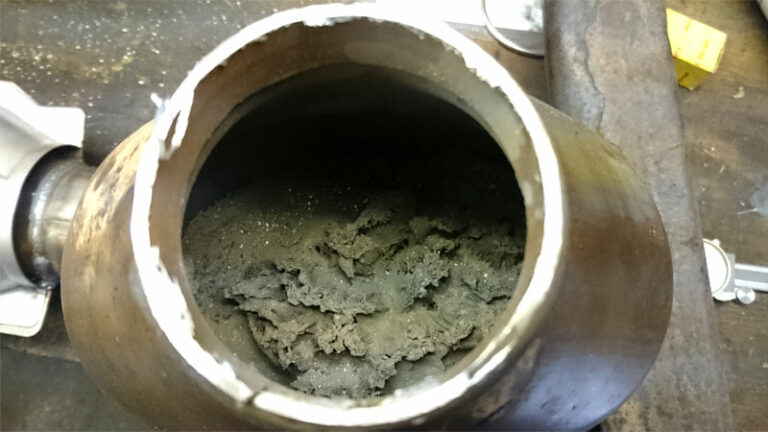
Catalytic converter theft prevention requires proactive measures, including installing effective security devices and understanding the risks involved.
What Makes Catalytic Converters Targeted for Theft?
Catalytic converters are valuable because they contain precious metals such as platinum, palladium, and rhodium. The market prices for these metals can fluctuate significantly, making catalytic converters an attractive target for thieves. For instance, the scrap value of palladium can reach over $2,500 per ounce. This high value incentivizes theft, particularly in vehicles with higher concentrations of these metals, such as hybrid vehicles.
Furthermore, the ease of removal is a significant factor. Thieves can typically steal a catalytic converter within minutes, using simple tools like a wrench or saw. This scenario is prevalent in areas with high vehicle traffic and poor lighting, increasing the likelihood of theft.
Lastly, certain models are more susceptible to this crime. Vehicles like the 2020 Toyota Camry and 2018 Honda Civic are frequently targeted, as their catalytic converters are easier to access and contain higher quantities of valuable metals.
What Are the Best Catalytic Converter Shields Available?
One effective method for preventing catalytic converter theft is the installation of protective shields. Several models on the market offer varying levels of security, durability, and price. Below is a comparison table of some of the top shields:
| Shield Model | Material | Weight | Price | Vehicle Compatibility |
|---|---|---|---|---|
| Cat Security Shield | Steel | 5 lbs | $120 | Universal |
| CatClamp Pro | Aluminum | 4 lbs | $230 | Most Cars |
| MagnaFlow Cat Shield | Stainless Steel | 6 lbs | $150 | Specific Models |
| RockTamers Universal | Composite | 5 lbs | $75 | Most SUVs |
These shields not only deter theft but also offer a physical barrier, making it much harder for thieves to access the catalytic converter.
What Additional Security Measures Can Be Taken?
In addition to installing a protective shield, there are several other steps vehicle owners can take to prevent catalytic converter theft. One effective measure is parking the vehicle in well-lit, monitored areas. Installing security cameras or motion-sensor lights can deter thieves by increasing the risk of getting caught.
Another option is to etch the vehicle identification number (VIN) onto the catalytic converter. This makes it traceable if stolen and can deter thieves, as it increases the likelihood of getting caught.
Investing in a vehicle alarm system that senses vibrations or unauthorized movements can also provide an additional layer of security. Some systems can send alerts directly to your smartphone, allowing for quick action in case of suspicious activity.
How to Recognize Catalytic Converter Theft and What to Do If It Happens?
Recognizing that your catalytic converter has been stolen typically involves noticing a loud rumbling noise when starting your vehicle. This noise is often a sign of exhaust system failure, indicating that the catalytic converter is no longer present. In such cases, it’s crucial to contact law enforcement immediately to report the theft.
Once the police report has been filed, contacting your insurance provider is necessary. Many comprehensive insurance policies cover catalytic converter theft, but it’s essential to review your policy details for specific coverage aspects.
Lastly, consider discussing with local auto repair shops for potential preventive measures that you can employ in the future. Understanding the common practices in your area can help you implement more specific strategies for your vehicle’s safety.
FAQs
What are the signs of catalytic converter theft?
The most common sign is a loud rumbling or hissing noise from the exhaust, indicating the absence of the catalytic converter. You may also notice a drop in vehicle performance and increased emissions warnings on your dashboard.
How much does it cost to replace a stolen catalytic converter?
The cost to replace a stolen catalytic converter can vary widely based on the vehicle make and model. Typically, replacement costs can range from $500 to over $2,500, including parts and labor. It’s advisable to check pricing specific to your vehicle to get an accurate estimate.
Can I claim insurance for catalytic converter theft?
Yes, most comprehensive auto insurance policies cover theft of catalytic converters. However, the total reimbursement will depend on your coverage amount, deductibles, and policy specifics.
Are there specific vehicles that are more prone to catalytic converter theft?
Yes, vehicles like the 2020 Toyota Camry and 2018 Honda Civic are particularly targeted due to the valuable metals contained in their catalytic converters and their easier accessibility for thieves.
Where can I find more information on car exhaust systems?
For additional insights on car exhaust systems, you can refer to these articles: Don’t Ignore These Sounds: Symptoms of a Failing Car Exhaust System, Car Exhaust System Repair Cost: What to Expect and How to Save, and DIY Guide: How to Safely Replace Your Car’s Spark Plugs for Better Performance.