Maintaining optimal vehicle safety and performance hinges on understanding how often you should change your car’s brake fluid. Most automotive manufacturers recommend changing brake fluid every 1 to 2 years, or approximately every 20,000 to 45,000 miles, depending on the specific vehicle model, driving conditions, and fluid type.
Why is Brake Fluid So Critical for Your Vehicle’s Safety?
Brake fluid is a specialized, high-performance hydraulic liquid that is absolutely essential for your vehicle’s stopping capability. When you depress the brake pedal, this fluid transmits the force from your foot to the braking components at the wheels, activating the calipers or wheel cylinders to slow or stop the vehicle.
Without properly functioning brake fluid, this force transfer would be compromised, leading to diminished braking performance and severe safety risks. Its non-compressible nature ensures that every ounce of pressure you apply to the pedal is efficiently translated into stopping power.
Beyond force transmission, brake fluid also plays crucial roles in heat dissipation and corrosion prevention within the hydraulic brake system. Braking generates immense heat, and the fluid helps absorb and transfer this heat away from vital components, preventing overheating and potential brake fade. Additionally, modern brake fluids contain additives that protect metal parts like brake lines, calipers, and the master cylinder from rust and deterioration.
Neglecting this vital maintenance task can lead to severe safety risks and compromised braking performance. Skipping brake fluid changes can jeopardize your vehicle’s entire braking capability, making it a non-negotiable aspect of vehicle upkeep.
Manufacturer Recommendations: The General Guidelines for Brake Fluid Changes
While an exact universal interval for brake fluid changes doesn’t exist due to variations across vehicle models and driving conditions, most manufacturers provide specific recommendations. A common guideline suggests replacing brake fluid every 1 to 2 years, or roughly every 20,000 to 45,000 miles.
For instance, some manufacturers like Mercedes-Benz and Volkswagen recommend a brake fluid flush and replacement every two years, irrespective of mileage. Subaru often suggests a refresh every 30,000 miles. Conversely, some Chevrolet models might recommend intervals as long as 10 years or 150,000 miles, while some Ford, Chrysler, and Toyota vehicles may not list a specific interval in their maintenance schedules at all, advising periodic inspection instead.
Factors such as driving style, climate, and vehicle usage can influence the degradation rate of brake fluid. Vehicles frequently used for towing, in mountainous terrain, or in stop-and-go traffic may require more frequent changes. High-humidity environments can also accelerate moisture absorption, necessitating shorter service intervals. It is always best to consult your specific vehicle’s owner’s manual for the most accurate recommendation.
Beyond manufacturer specifications, a practical approach is to visually inspect the brake fluid during routine engine oil changes. If the fluid appears dark, murky, or discolored, it is a strong indicator that a change is due. Fresh brake fluid typically presents as a clear to light amber or yellowish liquid.
Understanding Different Types of Brake Fluid: DOT 3, DOT 4, DOT 5, and DOT 5.1
Brake fluid standards are set by the U.S. Department of Transportation (DOT), categorizing fluids based primarily on their boiling points and chemical composition. The most common types are DOT 3, DOT 4, DOT 5, and DOT 5.1. Understanding these distinctions is crucial for proper vehicle maintenance and compatibility.
DOT 3, DOT 4, and DOT 5.1 fluids are all glycol-based and are characterized as hygroscopic, meaning they absorb moisture from the air over time. This moisture absorption is intentional, as it prevents water from pooling and causing localized corrosion or boiling. However, as water content increases, the fluid’s boiling point decreases, which can lead to a spongy brake pedal and reduced braking effectiveness.
DOT 5 fluid, in contrast, is silicone-based and hydrophobic, meaning it repels water. While this characteristic prevents moisture absorption, any water that enters a DOT 5 system will create separate pockets, which can freeze, boil, and cause significant internal corrosion. DOT 5 fluid is also generally not compatible with ABS systems due to its compressibility and aeration characteristics. It should never be mixed with glycol-based fluids.
DOT 5.1 is a high-performance glycol blend, despite its “5” designation, and is chemically closer to DOT 4. It offers higher boiling points and lower cold viscosity than DOT 3 or DOT 4, making it suitable for modern braking systems, including those with ABS. DOT 3, DOT 4, and DOT 5.1 are generally interchangeable, though using a higher-grade fluid in a system designed for a lower grade will provide the higher-grade performance until a complete flush is performed.
| Brake Fluid Type | Composition Base | Dry Boiling Point (Minimum) | Wet Boiling Point (Minimum) | Hygroscopic? | Compatibility with DOT 3/4/5.1 |
|---|---|---|---|---|---|
| DOT 3 | Glycol-ether | 205°C (401°F) | 140°C (284°F) | Yes | Compatible |
| DOT 4 | Glycol-ether / Borate Ester | 230°C (446°F) | 155°C (311°F) | Yes | Compatible |
| DOT 5 | Silicone | 260°C (500°F) | 180°C (356°F) | No (Hydrophobic) | NOT Compatible |
| DOT 5.1 | Glycol-ether / Borate Ester | 260°C (500°F) | 180°C (356°F) | Yes | Compatible |
How to Check Your Brake Fluid Level and Condition
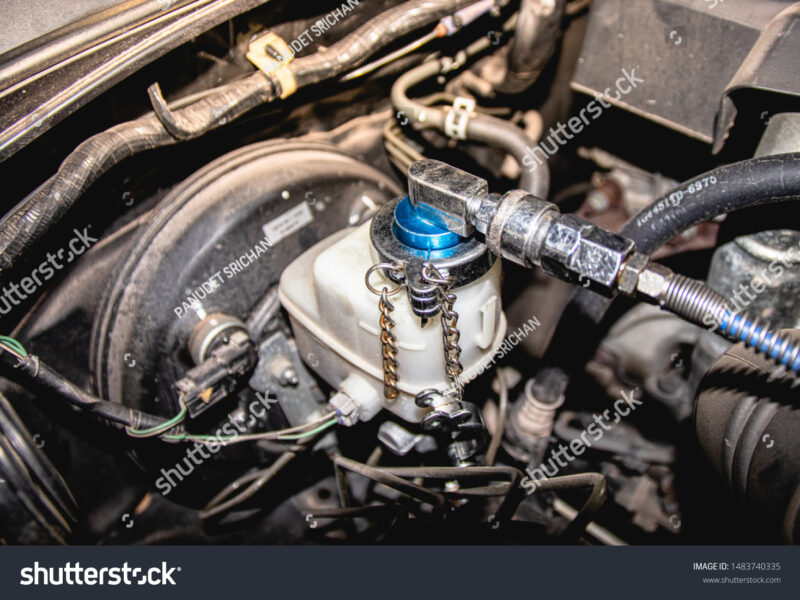
Regularly checking your brake fluid level and condition is a simple, yet critical, maintenance task that can be performed at home. This proactive measure helps ensure optimal brake responsiveness and overall vehicle safety. Most vehicles have a translucent brake fluid reservoir located under the hood, usually mounted on the master cylinder near the firewall.
To check the fluid level, locate the reservoir and observe the fluid against the “maximum” and “minimum” lines (or “max” and “min”) marked on its exterior. In newer vehicles, this can often be done without removing the cap. If the fluid level is at or near the “minimum” line, it’s an indication that your brake pads might be significantly worn, or there could be a leak in the system, and a professional inspection is recommended immediately.
Beyond the level, inspect the color and clarity of the brake fluid. Fresh brake fluid typically appears clear with a light yellow, amber, or sometimes a slight green/blue tint. As it ages and absorbs moisture and contaminants, it will darken, often turning murky brown or even black, resembling used motor oil.
If the fluid appears dark, cloudy, or has a burnt smell, it’s a strong sign that it needs to be replaced, regardless of mileage. While visual inspection provides a good indication, the most accurate way to assess fluid health is through testing for moisture content or copper levels, which can be performed by a qualified technician.
The Essential Tools for Brake Fluid Replacement and Bleeding
Performing a brake fluid replacement (flush) or bleeding your brakes requires specific tools to ensure the job is done safely and effectively. Whether you opt for a DIY approach or professional service, understanding the necessary equipment is beneficial. For comprehensive guidance on removing air bubbles and ensuring consistent stopping power, refer to our Definitive Guide to Brake Fluid Flushing.
At a minimum, you will need the correct type of fresh brake fluid for your vehicle (consult your owner’s manual or the reservoir cap), a wrench or socket specifically sized for your bleeder screws (commonly 8mm or 10mm), a clear plastic tube, and a clean, disposable bottle or catch can to collect the old fluid. A large syringe or hand pump can be useful for extracting old fluid from the master cylinder reservoir before refilling.
For a more efficient and often one-person operation, specialized brake bleeding tools are highly recommended. These include vacuum brake bleeders, pressure brake bleeders, or one-way bleeder screws. Vacuum bleeders pull fluid and air from the bleeder valve, while pressure bleeders push new fluid through the system from the master cylinder. One-way bleeder screws incorporate a check valve, allowing fluid and air out but preventing air from re-entering.
Additional helpful items include a turkey baster for initial fluid removal from the reservoir, brake cleaner for cleaning components, rags, and a reliable means to lift and safely support your vehicle, such as a car lift or four jack stands. Always prioritize safety by using appropriate personal protective equipment and ensuring the vehicle is stable before working underneath it.
What Happens If You Skip Brake Fluid Changes?
The importance of changing brake fluid cannot be overstated; neglecting this vital maintenance task can lead to severe safety risks and compromised braking performance. Brake fluid is hygroscopic, meaning it absorbs moisture directly from the atmosphere over time, even within a supposedly sealed system. This is a deliberate chemical property to prevent water from pooling and causing localized damage.
As brake fluid absorbs moisture, its boiling point significantly lowers. Under normal braking conditions, especially heavy or prolonged braking (e.g., during emergency stops, mountain driving, or towing), the brake system generates substantial heat. If the contaminated fluid boils, it rapidly turns into a compressible gas (steam), leading to a sudden and dangerous loss of hydraulic pressure. This manifests as a “spongy” brake pedal that sinks to the floor with little to no stopping power, a phenomenon known as brake fade, which can result in complete brake failure.
Furthermore, the moisture absorbed by the brake fluid promotes internal corrosion of critical metal components within the braking system, including the master cylinder, brake lines, wheel cylinders, and caliper pistons. This corrosion can lead to expensive repairs and compromise the integrity of the entire system over time. The corrosion inhibitors in the fluid also break down, exacerbating the problem.
Skipping essential brake fluid changes can severely impair your vehicle’s hydraulic brake system, leading to diminished braking capabilities, increased stopping distances, and a heightened risk of accidents. For a deeper understanding of the critical consequences of neglecting this service, please read our article: Why You Should Never Skip Changing Your Brake Fluid. Regular fluid flushes protect the entire braking system from internal corrosion and ensure your pedal remains firm and responsive, especially in emergency situations.
Frequently Asked Questions About Brake Fluid Maintenance
How often should you change brake fluid?
For most passenger vehicles, manufacturers generally recommend changing brake fluid every 1 to 2 years, or approximately every 20,000 to 45,000 miles, whichever comes first. However, this can vary significantly based on your vehicle’s specific make and model, driving conditions (e.g., heavy towing, mountainous terrain, humid climates), and the type of brake fluid used. Always consult your vehicle’s owner’s manual for the precise recommended interval. Some car manufacturers, such as Mercedes-Benz and Volkswagen, adhere strictly to a two-year interval, while others might suggest longer periods or advise replacement based on inspection.
What are the differences between DOT 3, DOT 4, DOT 5, and DOT 5.1 brake fluids?
The primary differences lie in their chemical composition, boiling points, and hygroscopic properties. DOT 3, DOT 4, and DOT 5.1 are glycol-based fluids that absorb water (hygroscopic) and are generally compatible with each other. They differ in their minimum dry and wet boiling points, with DOT 5.1 offering the highest performance in terms of temperature resistance. DOT 5, on the other hand, is silicone-based and hydrophobic, meaning it repels water. It is not compatible with glycol-based fluids and should only be used in systems specifically designed for it, as mixing them can cause serious system damage. DOT 5 is also not suitable for most ABS systems.
Can I mix different types of brake fluid?
You should generally avoid mixing different types of brake fluid unless absolutely necessary and only within specific guidelines. DOT 3, DOT 4, and DOT 5.1 (all glycol-based) can be mixed in an emergency, but the system will then perform to the specifications of the lowest-grade fluid present. A full system flush should be performed as soon as possible after mixing. Crucially, you must NEVER mix DOT 5 (silicone-based) fluid with DOT 3, DOT 4, or DOT 5.1 fluids. Mixing silicone with glycol-based fluids can lead to phase separation, aeration, seal issues, and inconsistent brake pedal feel, potentially causing brake failure.
What are the signs that my brake fluid needs changing?
Several indicators suggest your brake fluid needs attention. The most common signs include a change in the fluid’s appearance, transitioning from a clear, light amber or yellowish color to dark brown or black. A “spongy” or soft brake pedal, increased pedal travel, or a feeling that your brakes are less responsive are also critical symptoms. This can indicate moisture contamination, which lowers the fluid’s boiling point and can lead to vapor lock during heavy braking. Additionally, if your brake warning light or ABS indicator illuminates, it could signal a problem with your brake fluid level or condition. If you experience any of these symptoms, have your brake fluid and system inspected by a qualified technician immediately.