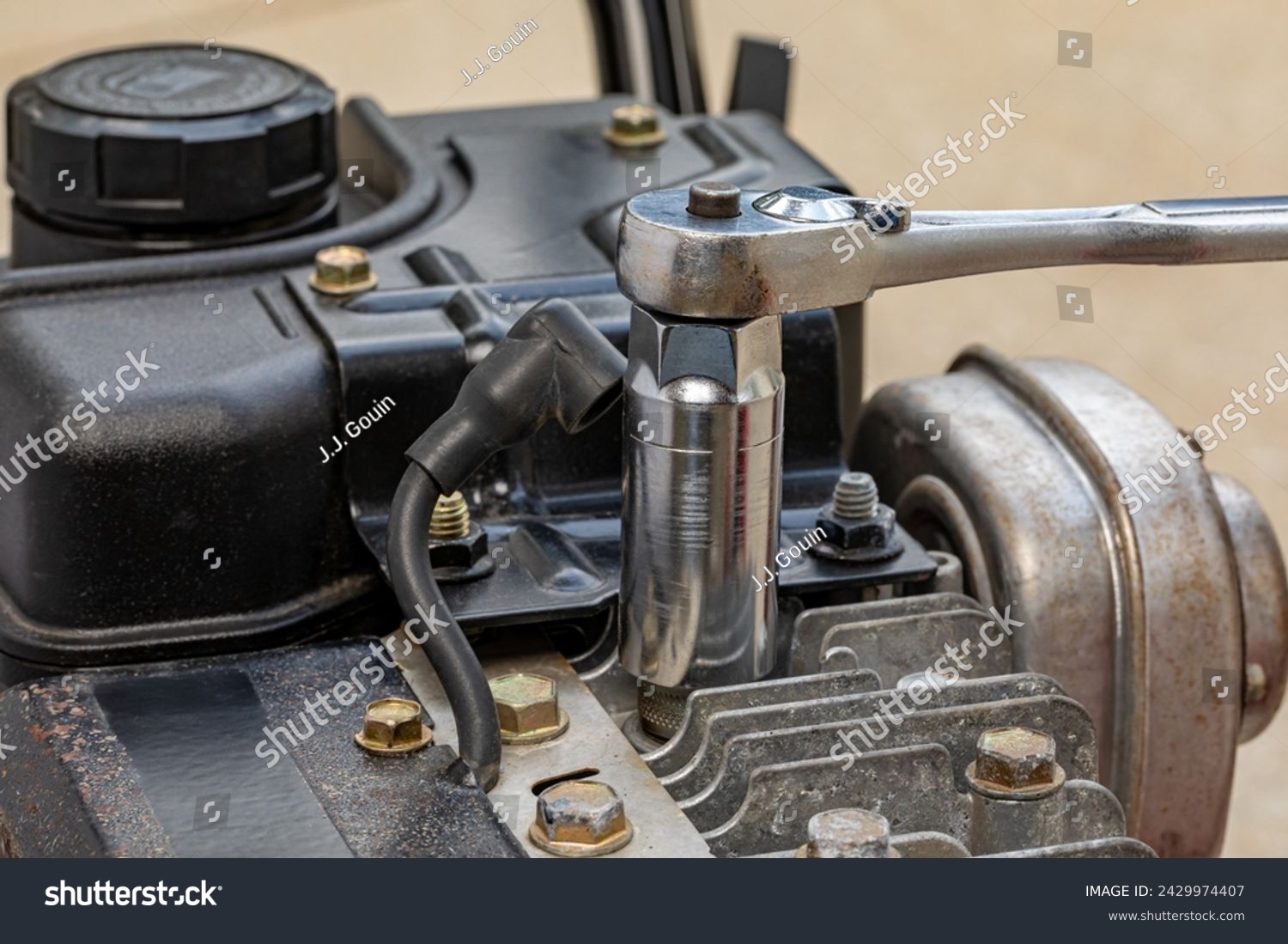
Failing car spark plugs often manifest through noticeable symptoms such as a rough engine idle, diminished fuel efficiency, engine misfires, and difficulty starting the vehicle. Identifying these critical indicators early is essential for maintaining optimal engine health, preventing more severe mechanical issues, and ensuring your vehicle operates reliably and efficiently.
Spark plugs are a fundamental component of your vehicle’s ignition system, responsible for igniting the air-fuel mixture within the combustion chamber. When these small but vital parts begin to degrade, their ability to create a consistent, powerful spark is compromised, leading to a cascade of performance problems that can affect everything from acceleration to fuel consumption.
What Are the Key Indicators of Faulty Spark Plugs?
One of the most immediate and common signs of deteriorating spark plugs is a rough engine idle. This sensation is characterized by an uneven engine rhythm and vibrations that can often be felt throughout the vehicle. A healthy engine should maintain a smooth, consistent idle speed, typically around 600-1000 RPM, depending on the manufacturer specifications for models like a 2018 Honda Civic.
When spark plugs are worn, they struggle to ignite the air-fuel mixture effectively in each cylinder, leading to incomplete combustion. This inefficiency causes the engine to work harder and unevenly, resulting in noticeable shuddering or shaking. If you experience a rough idle characterized by a vibration exceeding 15 Hz, it’s a strong indicator that your spark plugs, or other related components, may require immediate attention. This symptom is often a precursor to more significant operational issues.
Another critical symptom indicating failing spark plugs is the occurrence of engine misfires. A misfire happens when one or more engine cylinders fail to fire properly, disrupting the engine’s combustion cycle. This can lead to a noticeable loss of power, particularly during acceleration or when climbing inclines, as the engine struggles to deliver consistent output. You might feel a jolt or hesitation as the engine momentarily loses power.
These misfires are directly related to the spark plugs’ inability to provide a strong, timely spark. If the spark is weak or intermittent, the fuel charge won’t ignite correctly, leading to unburnt fuel being expelled through the exhaust and a significant reduction in engine performance. Ignoring persistent misfires can not only exacerbate engine wear but also negatively impact emissions systems, as detailed further in our article on Engine Misfire Symptoms: What They Mean and How to Troubleshoot Your Car.
A noticeable decrease in fuel economy is another tell-tale sign of spark plugs that are past their prime. When spark plugs don’t ignite the air-fuel mixture efficiently, the engine has to consume more fuel to achieve the same level of performance. This inefficiency can significantly impact your vehicle’s MPG figures, leading to more frequent trips to the gas station and increased operational costs. Replacing your car’s spark plugs, especially if they are worn, is essential for enhancing engine performance and can improve fuel efficiency by as much as 30% in some vehicles.
Furthermore, difficulty starting your vehicle, particularly during colder weather or after it has been sitting for a while, can point to worn spark plugs. A strong spark is crucial for initiating the combustion process. If the spark plugs are fouled, worn, or incorrectly gapped, they may not generate enough energy to ignite the air-fuel mixture quickly, leading to prolonged cranking or a complete failure to start. This issue directly affects the efficiency of the vehicle’s ignition system.
Finally, the illumination of your vehicle’s check engine light is a general but undeniable warning that something is amiss within the engine management system. While a check engine light can indicate numerous issues, failing spark plugs are a common culprit. Modern vehicles often detect misfires or improper combustion through their onboard diagnostics (OBD-II) system, triggering this warning light. When the check engine light appears, it’s imperative to have your vehicle diagnosed promptly to identify the underlying cause, whether it’s related to spark plugs, an oxygen sensor, or other critical components. Ignoring this warning can lead to more severe engine problems, as outlined in our guide on Don’t Ignore These: Common Symptoms of a Failing Car Oxygen Sensor.
Comparative Analysis: Spark Plug Condition and Vehicle Performance
Understanding how the physical state of your spark plugs correlates with specific vehicle symptoms can provide a clearer picture of their health. This table outlines common conditions, their associated symptoms, and the impact on performance.
| Spark Plug Condition | Appearance | Common Symptoms | Performance Impact |
|---|---|---|---|
| Normal Wear | Light tan or grey electrodes with minimal erosion. | Minor decrease in fuel efficiency over time. | Subtle reduction in peak engine efficiency. |
| Fouled (Carbon) | Black, sooty deposits on electrode and insulator. | Engine misfires, rough idle (>15 Hz vibration), difficulty starting. | Significant power loss, increased emissions, poor fuel economy. |
| Oil Fouled | Oily, black deposits on electrode and insulator. | Smoking exhaust, engine misfires, hard starting. | Reduced ignition, potential catalyst damage, major power issues. |
| Overheated | White, blistered, or melted electrodes. | Engine pinging/knocking, power loss, potential engine damage. | Severe risk of pre-ignition and engine component failure. |
| Worn Out | Heavily eroded, rounded electrodes with wide gaps. | Decreased fuel economy (up to 30% loss), engine hesitation, rough idle. | Inefficient combustion, increased strain on ignition system. |
How Do Failing Spark Plugs Impact Engine Performance?
The intricate dance of internal combustion relies on precision, and failing spark plugs throw a wrench into that critical operation. Beyond the immediate symptoms, the long-term impact on engine performance can be severe. When spark plugs do not fire correctly, the combustion process becomes incomplete, leading to a reduction in horsepower and torque. This directly translates to sluggish acceleration and a less responsive driving experience, making it harder for your vehicle to perform as intended on the road.
Moreover, inadequate combustion due to faulty spark plugs can lead to a buildup of carbon deposits within the engine. These deposits can further exacerbate performance issues by coating valves, piston tops, and even the new spark plugs if not addressed. This carbon buildup can restrict airflow, increase compression ratios in uncontrolled ways, and potentially lead to pre-ignition or engine knocking, which can cause significant internal engine damage over time. The engine’s overall lifespan can be dramatically shortened if these issues are left uncorrected.
Furthermore, failing spark plugs place an increased strain on other components of the ignition system. The ignition coils, for instance, may have to work harder to generate a sufficient spark, leading to premature wear and potential failure of these more expensive parts. Similarly, the catalytic converter, a vital component for reducing harmful emissions, can be damaged by unburnt fuel passing through the exhaust system. This can result in costly repairs and your vehicle failing emissions tests, underscoring the interconnectedness of engine components and the importance of timely spark plug replacement.
What Causes Spark Plugs to Fail Prematurely?
While spark plugs are designed for durability, several factors can accelerate their deterioration and lead to premature failure. One common cause is extended use beyond the manufacturer’s recommended service interval. Like any wear item, the electrodes gradually erode over time, widening the gap and diminishing spark effectiveness. Following the maintenance schedule outlined in your vehicle’s owner’s manual, typically between 30,000 to 100,000 miles depending on the plug type and engine, is crucial.
Engine issues, such as oil leaks into the combustion chamber or excessive carbon buildup from rich fuel mixtures, can also foul spark plugs. Oil deposits can insulate the electrode, preventing a proper spark, while carbon acts as a conductor, diverting spark energy. Issues with the fuel system, like a faulty fuel injector or a malfunctioning oxygen sensor, can cause an imbalanced air-fuel mixture, leading to either extremely rich or lean conditions that hasten spark plug degradation. Ignoring symptoms of a defective oxygen sensor, for instance, can lead to severe engine problems and increased fuel costs.
Incorrect spark plug selection can also lead to early failure. Using plugs with the wrong heat range for your engine can cause them to run too hot (leading to blistering) or too cold (leading to fouling). Additionally, improper installation, such as overtightening or undertightening, can damage the plug or the engine’s cylinder head, creating pathways for combustion gases to escape or preventing proper heat transfer. Ensuring the correct spark plug type and torque specifications, as discussed in DIY Guide: How to Safely Replace Your Car’s Spark Plugs for Better Performance, is vital for their longevity.
When Should You Consider Replacing Your Spark Plugs?
Proactive spark plug replacement is a key aspect of routine vehicle maintenance that can prevent a myriad of engine problems. Most vehicle manufacturers provide specific recommendations for spark plug replacement intervals, which can range widely depending on the type of spark plug (e.g., copper, platinum, iridium) and the engine design. For instance, traditional copper plugs might need replacement every 30,000 miles, while long-life iridium plugs can last up to 100,000 miles or even longer in models like the 2018 Honda Civic. Adhering to these guidelines is the most reliable way to ensure consistent performance.
Beyond mileage-based recommendations, you should consider replacing your spark plugs if you consistently observe any of the symptoms discussed earlier, such as a persistent rough idle, frequent engine misfires, a noticeable drop in fuel economy, or difficulty starting the vehicle. Even if your vehicle hasn’t reached the recommended mileage, these symptoms indicate that the spark plugs are no longer performing optimally and are likely contributing to decreased engine efficiency and potential damage to other components. Addressing these signs promptly can often prevent more costly repairs down the line.
Finally, consider the overall condition and age of your vehicle. Older vehicles or those with a history of neglected maintenance may benefit from more frequent spark plug inspections and replacements. Regular inspections by a qualified mechanic can help identify issues before they become severe, allowing for timely intervention. Replacing your spark plugs is a relatively inexpensive maintenance task that offers significant returns in terms of improved engine performance, better fuel efficiency, and extended engine life, making it a crucial component of any comprehensive car care regimen.
FAQ: Recognizing the Signs of Failing Car Spark Plugs
Can bad spark plugs cause my car to stall?
Yes, severely deteriorated or fouled spark plugs can absolutely cause your car to stall, especially at low engine speeds or during idle. When spark plugs fail to ignite the air-fuel mixture consistently in one or more engine cylinders, the engine’s combustion process becomes erratic. This disruption leads to a significant loss of power and an unstable idle, causing the engine to “choke” and shut down. The engine control unit (ECU) may even try to compensate, but if the misfires are too frequent or severe, the engine cannot sustain operation, resulting in a stall. This can be particularly dangerous if it occurs while driving in traffic or at intersections.
How often should I replace my car’s spark plugs?
The replacement interval for your car’s spark plugs largely depends on the type of spark plug installed and your vehicle manufacturer’s recommendations. Traditional copper spark plugs typically require replacement every 30,000 miles. Platinum spark plugs usually have a longer lifespan, often needing replacement around 60,000 miles. The most durable option, iridium spark plugs, can last significantly longer, with intervals extending up to 100,000 miles or even 120,000 miles in many modern vehicles, such as certain trims of the 2018 Honda Civic. Always consult your vehicle’s owner’s manual for the precise recommended service schedule to ensure optimal engine performance and longevity.
What is the difference between hot and cold spark plugs?
The terms “hot” and “cold” in spark plugs refer to their thermal characteristics, specifically how quickly they dissipate heat from the combustion chamber. A “hot” spark plug has a longer insulator nose, which restricts the path for heat to escape, causing the tip to retain more heat. These are typically used in engines that operate at lower temperatures or are prone to carbon fouling, helping to burn off deposits. Conversely, a “cold” spark plug has a shorter insulator nose, allowing heat to dissipate more quickly into the cylinder head. Cold plugs are designed for high-performance or high-compression engines that generate more heat, preventing pre-ignition and electrode overheating. Using the correct heat range spark plug is crucial for engine health and performance, preventing issues like detonation or excessive fouling.