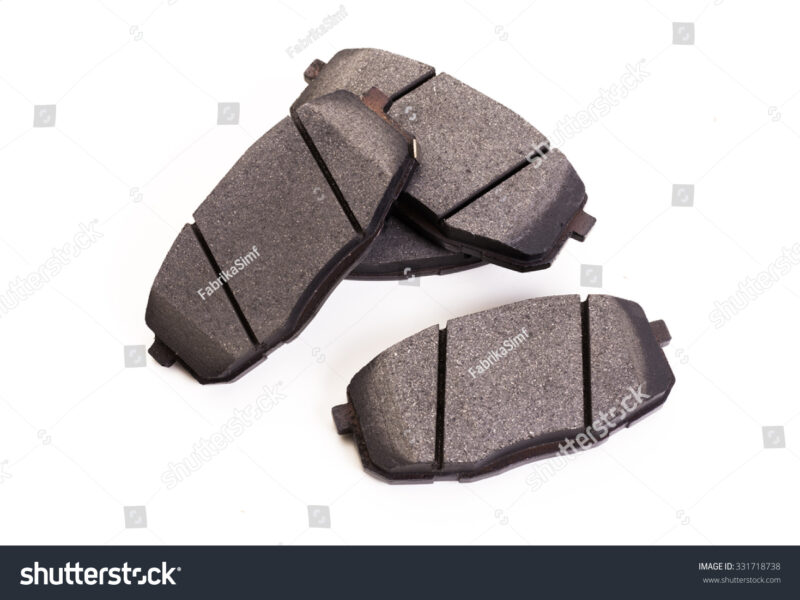
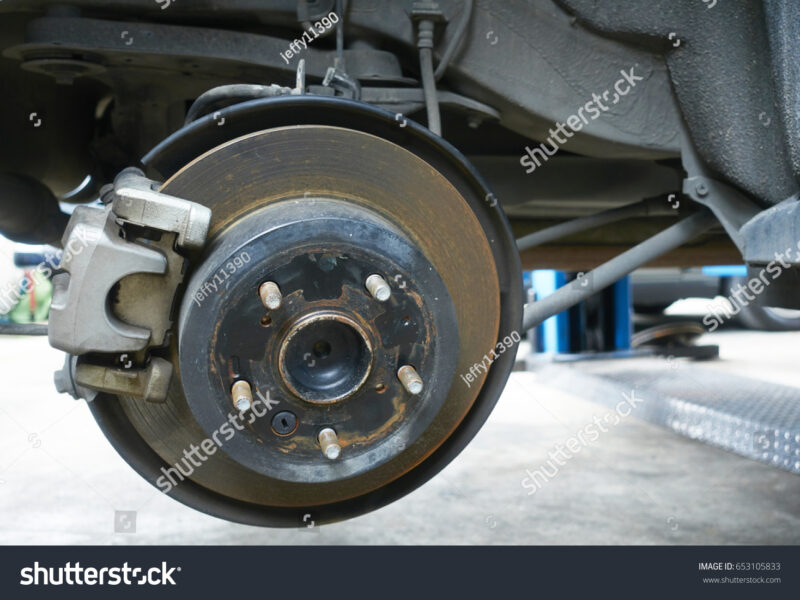
Choosing the best brake pads for winter is critical for ensuring road safety during harsh weather conditions.
What Are the Different Types of Brake Pads?
Understanding the various types of brake pads is essential for making informed decisions. The most common categories include:
Ceramic Brake Pads
Ceramic brake pads are known for their quiet operation and low dust production. They typically have a longer lifespan and result in less wear on the rotors. However, they may not perform optimally in extremely cold conditions.
Semi-Metallic Brake Pads
Semi-metallic pads offer excellent performance in cold weather, providing a high level of friction. They are durable but tend to produce more noise and can wear rotors more quickly than other types.
Organic Brake Pads
Organic pads are softer and provide smooth and quiet stops, but they may not withstand severe winter conditions as effectively as other options, leading to faster wear.
What are the Key Technical Specifications of Winter Brake Pads?
| Type | Material | Coefficient of Friction | Operating Temperature (°F) | Average Lifespan (miles) |
|---|---|---|---|---|
| Ceramic | Ceramic composite | 0.35 – 0.45 | -20 to 120 | 30,000 – 70,000 |
| Semi-Metallic | Metallic blend | 0.40 – 0.50 | -10 to 140 | 25,000 – 60,000 |
| Organic | Resin-based | 0.30 – 0.40 | 0 to 130 | 20,000 – 50,000 |
What Are the Key Features of Winter Brake Pads?
Winter brake pads should be specifically designed for optimal performance in cold weather. Key features to look for include:
- Cold Resistance: Quality winter brake pads maintain performance at sub-zero temperatures.
- Snow and Ice Traction: Ensures effective stopping power on slippery surfaces.
- Design Features: Many come equipped with slots and holes to help disperse water and snow, reducing brake fade.
Which Brands Are Recommended for Winter Brake Pads?
Several brands excel in providing high-quality winter brake pads:
- Bosch: Known for advanced technology and reliability in brake pads.
- Wagner: Offers a broad range of brake solutions suitable for winter conditions.
- EBC: Renowned for high-performance products that are effective in severe conditions.
- Akebono: Offers premium ceramic pads known for their quiet operation.
- Raybestos: Provides durable options that perform well in diverse conditions.
FAQs
What is the average cost of winter brake pads?
The average price for a set of winter brake pads ranges from $50 to $150, depending on the brand and material used.
When should I replace my brake pads for winter?
Brake pads should be inspected and likely replaced before the onset of winter weather, ideally every 30,000 to 70,000 miles, depending on driving conditions.
How do I choose the best brake pads for winter?
When selecting winter brake pads, consider material type, climate conditions, and driving habits. Opt for semi-metallic pads for better performance in cold, while ceramic pads provide less noise and dust.
Where can I find more information on vehicle maintenance?
For more tips on vehicle maintenance and related topics, check out:
- Is Your Car Radiator Failing? Key Symptoms and Troubleshooting Guide
- Maximizing Your EV Battery Life: Essential Maintenance Tips for Longevity
- Top-Rated All-Season Tires for SUVs: Performance, Durability, and Value
- Cost-Effective Ways to Maintain Your Vehicle
- How Often Should You Rotate Your Tires?
- Top 5 Tires for Electric Vehicles in 2023
- When Should You Replace Your Brake Rotors?
- Essential Tips for Prolonging Your Car Battery Life
- Preparing Your Tires for Winter: Essential Tips
- Top Symptoms Your Car Battery is Failing