Why is Regular Maintenance Crucial for Your 12V Car Battery’s Longevity?
Understanding the specific intricacies of maintaining your car battery is paramount for ensuring its long-term operational lifespan and optimal performance. A meticulously maintained 12V power source, whether a conventional flooded lead-acid unit or an advanced Absorbed Glass Mat (AGM) battery, is not merely responsible for reliably initiating your engine’s combustion cycle, but also for efficiently supporting the increasingly complex electrical systems found in modern vehicles, from infotainment units to sophisticated driver-assistance technologies. Neglecting a consistent maintenance regimen can precipitate a cascade of detrimental effects, including a measurable decrease in cranking performance, particularly under demanding environmental conditions such as extreme cold or heat, and a significant reduction in the battery’s typical service life, which generally ranges from 3 to 5 years under ideal circumstances.
Proactive battery care is a critical economic strategy, averting unforeseen vehicle breakdowns and mitigating the financial burden of premature replacements, which can escalate into hundreds of dollars for high-capacity or specialized battery types. For instance, a premium AGM battery for a European luxury sedan might cost upwards of $300-$400, not including installation. By diligently monitoring your battery’s health, you can preemptively identify top symptoms your car battery is failing, such as slow cranking, dimming headlights at idle, or the illumination of a dashboard battery light, ensuring timely intervention before these issues manifest into complete operational failure.
Moreover, consistent battery maintenance contributes significantly to the overall health of your vehicle’s electrical ecosystem. An optimally functioning battery reduces the strain on your starter motor, alternator, and other critical electrical components, preventing accelerated wear and potential failures. This holistic approach to vehicle care, focusing on the foundational 12V power source, not only enhances reliability but also can indirectly improve fuel efficiency by ensuring all electrical systems operate within their specified parameters, minimizing parasitic draws that can occur with an underperforming battery.
What Specific Maintenance Practices Extend Your Car Battery’s Operational Lifespan?
To tangibly prolong the life of your conventional car battery, a series of specific, actionable maintenance practices must be adopted and consistently executed. These go beyond mere visual inspections and delve into the technical aspects of battery health, charging cycles, and environmental protection. Unlike electric vehicle (EV) batteries, which have sophisticated Battery Management Systems (BMS) to regulate charge and temperature, conventional 12V batteries rely more heavily on external maintenance by the vehicle owner or technician. Implementing these tips can significantly extend the battery’s service life from an average of 3-5 years to potentially 6-7 years or more, depending on the battery type and usage conditions.
How Often Should You Inspect and Clean Battery Terminals?
Regular inspection and meticulous cleaning of your battery terminals are fundamental steps in preventing power loss and ensuring efficient electrical conductivity. Corrosion, typically appearing as a white, powdery, or blue-green substance around the terminals, is primarily lead sulfate and lead carbonate. This buildup acts as an electrical insulator, impeding the flow of current and forcing your alternator to work harder, potentially shortening its lifespan. Experts recommend inspecting terminals quarterly, or every 3 months, and cleaning them biannually, or every 6 months, using a battery terminal brush and a solution of baking soda and water (approximately 1 tablespoon per cup of water) to neutralize the acid.
Once the corrosion is gently scrubbed away, rinse with clean water and thoroughly dry the terminals and posts. Applying a thin layer of dielectric grease or a specialized anti-corrosion spray, such as those containing lithium grease, creates a protective barrier against moisture and airborne contaminants, significantly reducing future buildup. This simple procedure, taking approximately 15-20 minutes, ensures that the vital connection between the battery and the vehicle’s electrical system remains robust, preventing intermittent power issues and optimizing starting performance.
What are the Optimal Charging Practices for a Conventional Car Battery?
Maintaining an optimal charge level is critical for extending the life of a conventional lead-acid battery, as prolonged periods of undercharging or overcharging can lead to sulfation or grid corrosion, respectively. A healthy 12V car battery should ideally maintain a resting voltage between 12.6 and 12.8 volts. If your vehicle is primarily used for short trips (under 20 minutes), the alternator may not have sufficient time to fully recharge the battery after each start, leading to a state of chronic undercharge. This can accelerate the formation of lead sulfate crystals on the battery plates, irreversibly reducing capacity.
To counteract this, it is advisable to periodically use a smart charger, also known as a battery maintainer or trickle charger, to bring the battery back to a full charge. For vehicles driven infrequently, connecting a smart charger that offers multi-stage charging (e.g., desulfation, bulk, absorption, float) is essential to prevent deep discharge, which can reduce battery capacity by up to 50% after just a few cycles. Advanced chargers, like those from CTEK or Noco Genius, often include a desulfation mode that can, to some extent, reverse mild sulfation and restore lost capacity, thereby extending the battery’s active service life by several months or even a year.
How Does Temperature Management Impact Your Battery’s Health?
Extreme temperatures, both hot and cold, are significant stressors for conventional car batteries, drastically impacting their performance and longevity. High temperatures, particularly sustained exposure above 90°F (32°C), accelerate the chemical reactions within the battery, leading to increased water loss from the electrolyte and internal corrosion of the plates. This can reduce battery life by up to 50% in hot climates compared to temperate ones. For instance, a battery rated for 5 years in a moderate climate might only last 2.5-3 years in regions like Phoenix, Arizona.
Conversely, cold temperatures, especially below 32°F (0°C), significantly reduce a battery’s cranking power by increasing the viscosity of the electrolyte and slowing down chemical reactions. At 0°F (-18°C), a conventional flooded lead-acid battery may deliver only 40-50% of its rated Cold Cranking Amps (CCA), which is a critical metric for starting power. For optimal performance, the ideal operating temperature range for most 12V car batteries is between 50°F (10°C) and 80°F (27°C). Parking in a garage during extreme weather, using a battery blanket in severe cold (below 20°F / -7°C), or selecting an AGM battery with higher CCA ratings (e.g., 800 CCA vs. 600 CCA) for cold climates can mitigate these effects. This is especially relevant given that Top Car Batteries for Extreme Cold Weather: Reliability & Performance highlights AGM batteries’ superior performance below 0°F (-18°C).
Why is Regular Driving Essential for Battery Health?
Regular vehicle operation is not just for mechanical components; it’s a fundamental requirement for the health of your car battery. The alternator, driven by the engine, is designed to recharge the battery during driving. Short, infrequent trips (less than 20-30 minutes of continuous driving) prevent the alternator from fully replenishing the charge consumed during engine start-up and by onboard electronics. This leads to a cumulative state of discharge, accelerating sulfation and reducing the battery’s overall capacity and lifespan. For example, a car driven only 5 miles to work and back daily may suffer from chronic undercharging, even if it starts reliably each time.
To combat this, aim for at least one longer drive (30-60 minutes) per week at highway speeds to allow the alternator to fully cycle and charge the battery. If regular long drives are not feasible, particularly for vehicles stored for extended periods, investing in a high-quality battery maintainer becomes an indispensable tool. This device ensures the battery remains at its optimal charge level without overcharging, mitigating the detrimental effects of disuse and extending the battery’s functional life considerably. This practice is crucial for minimizing the chances of premature battery failure and maintaining consistent electrical system performance.
When Should You Use a Battery Maintainer or Trickle Charger?
Employing a battery maintainer or trickle charger is a specific, highly effective strategy to counteract battery degradation, particularly for vehicles that are not driven daily or are stored for extended periods. These devices differ from standard battery chargers in their output and intelligent charging cycles. A trickle charger typically provides a low, continuous current (e.g., 0.5 to 1.5 amps) to slowly charge the battery, while a smart battery maintainer incorporates advanced microprocessors to monitor the battery’s voltage and adjust the charging current accordingly, preventing both undercharging and overcharging. Many modern maintainers feature multi-stage charging algorithms, including desulfation, bulk charge, absorption, and float modes.
You should consider using a battery maintainer if your vehicle is stored for more than two weeks, such as during seasonal storage for classic cars, motorcycles, or RVs. They are also highly beneficial for vehicles with high parasitic drains, like luxury cars with numerous electronic modules that continuously draw small amounts of power even when the vehicle is off. For instance, a vehicle with an alarm system and a complex infotainment unit can draw 20-50 milliamps continuously, leading to significant discharge over several weeks. A maintainer, such as a Schumacher SC1300 or a Battery Tender Plus, ensures the battery remains at its peak 12.6-12.8V charge, preventing the sulfation that accounts for a substantial portion of premature battery failures, and ultimately prolonging its life by several years. This proactive approach significantly reduces the likelihood of a dead battery when you need your vehicle most.
How Do Different Battery Technologies Affect Longevity and Maintenance Needs?
The type of 12V battery in your vehicle plays a significant role in its inherent longevity, performance characteristics, and specific maintenance requirements. While the core chemical reaction involves lead plates and sulfuric acid, advancements in battery technology have led to distinct variations, primarily flooded lead-acid, Enhanced Flooded Battery (EFB), and Absorbed Glass Mat (AGM) batteries. Understanding these differences is crucial for selecting the right battery for your driving conditions and implementing appropriate maintenance strategies to maximize its lifespan. For instance, an AGM battery, while more expensive, offers distinct advantages in demanding applications over a traditional flooded unit.
Traditional flooded lead-acid batteries, the most common and economical type, require periodic checking of electrolyte levels and topping off with distilled water, especially in hot climates where evaporation is higher. They are susceptible to vibration damage and vent hydrogen gas, necessitating proper ventilation. In contrast, AGM batteries are sealed, maintenance-free units where the electrolyte is absorbed into fiberglass mats, preventing spills and making them more resistant to vibration and extreme temperatures. They also offer higher Cold Cranking Amps (CCA) and significantly better deep-cycling capabilities, meaning they can withstand more discharge/recharge cycles without degradation. This makes them ideal for vehicles with Stop-Start technology or extensive electronic loads.
Enhanced Flooded Batteries (EFBs) represent a middle ground, offering improved cycle life and charge acceptance compared to standard flooded batteries, but without the full performance benefits or cost of an AGM. They often use a polyfleece separator and thicker plates. While all these battery types benefit from the general maintenance tips discussed, AGM batteries, due to their sealed design and robust construction, generally require less hands-on maintenance, though consistent charging and temperature management remain critical for all. The initial investment in an AGM battery, typically 20-50% higher than a flooded battery, is often justified by its longer lifespan (up to 2x that of flooded in certain conditions), superior performance in extreme conditions, and reduced maintenance demands.
| Feature | Flooded Lead-Acid (SLA) | Enhanced Flooded Battery (EFB) | Absorbed Glass Mat (AGM) |
|---|---|---|---|
| Maintenance Required | High (electrolyte checks, terminal cleaning) | Low (terminal cleaning) | Very Low (terminal cleaning) |
| Typical Lifespan (Years) | 3-5 | 4-6 | 5-7+ |
| Cold Cranking Amps (CCA) | Good (e.g., 600-750 CCA) | Better (e.g., 650-800 CCA) | Excellent (e.g., 700-900+ CCA) |
| Deep Cycle Capability | Poor (easily damaged by deep discharge) | Moderate (better than SLA) | Excellent (designed for deep cycling) |
| Vibration Resistance | Low | Moderate | High |
| Cost (Relative) | Lowest | Moderate (+15-30% vs. SLA) | Highest (+25-50% vs. SLA) |
| Ideal Use Cases | Standard vehicles, older models | Start-Stop vehicles (entry-level), moderate electronics | Start-Stop vehicles (advanced), high electronics, extreme climates, performance vehicles |
What are the Common Misconceptions About Car Battery Life?
Several persistent misconceptions regarding car battery life can inadvertently lead to practices that shorten its effective service duration. One common myth is that a battery only needs attention when the car fails to start. In reality, a battery’s health degrades gradually, often exhibiting subtle signs like slower cranking or dimming lights long before complete failure. Waiting for a breakdown is a reactive approach that not only puts you in an inconvenient situation but also means you’ve missed numerous opportunities for preventative maintenance that could have extended its life by months or even years. Regular voltage checks (e.g., monthly) with a multimeter, aiming for 12.6V or above, are far more effective than waiting for a catastrophic failure.
Another prevalent misconception is that disconnecting the battery during long-term storage is always the best solution. While disconnecting the negative terminal can prevent parasitic draws from fully discharging the battery, it can lead to other issues, especially in modern vehicles with complex electronic control units (ECUs) that require a constant power supply to maintain memory settings. Disconnecting the battery can reset these settings, requiring recalibration of windows, radio codes, and engine parameters, which can be an inconvenience or even require a dealership visit. A more effective and less disruptive strategy for long-term storage (over two weeks) is to use a smart battery maintainer, as previously discussed, which keeps the battery at an optimal charge without disconnecting the vehicle’s essential systems.
Finally, many drivers believe that all car batteries are essentially the same. This is a significant oversimplification. As detailed in our comparison, the differences between flooded lead-acid, EFB, and AGM batteries are substantial, impacting their performance, longevity, and ideal applications. For example, installing a standard flooded battery in a modern vehicle equipped with engine Start-Stop technology, which demands frequent deep cycling, will drastically shorten its lifespan compared to an EFB or AGM battery specifically designed for such rigorous demands. Choosing the correct battery technology for your vehicle’s specifications and driving habits is a critical factor in maximizing its operational life and preventing premature failure. For more in-depth insights into battery care across different vehicle types, consult our guide on Essential Car Battery Maintenance Tips for Longer Life and Reliability.
How Can Extreme Temperatures Specifically Affect My Car Battery’s Performance?
Extreme temperatures impose significant and distinct stresses on a conventional 12V car battery, directly impacting its electrochemical efficiency and overall lifespan. In hot climates, sustained ambient temperatures exceeding 90°F (32°C) accelerate the battery’s internal chemical reactions, leading to increased evaporation of the electrolyte (water and sulfuric acid) and a higher rate of plate corrosion. This phenomenon is particularly damaging because it causes the active material on the battery plates to shed prematurely, reducing the battery’s capacity and ability to hold a charge. For every 18°F (10°C) increase above 77°F (25°C), the battery’s chemical reaction rate approximately doubles, which can halve its expected service life. Consequently, a battery designed for a five-year lifespan in a temperate region might only last two to three years in consistently hot environments like the southern United States.
Conversely, frigid temperatures, especially those dropping below 32°F (0°C), drastically diminish a battery’s cranking power. As the temperature falls, the chemical reactions within the battery slow down, and the electrolyte becomes more viscous, impeding the flow of ions between the plates. This translates to a substantial reduction in the available Cold Cranking Amps (CCA), which is the battery’s ability to deliver current at 0°F (-18°C). For instance, at 0°F (-18°C), a battery can deliver only about 60% of its rated CCA, and at -20°F (-29°C), this drops to a mere 40%. Simultaneously, the engine’s oil thickens, increasing the resistance the starter motor must overcome, creating a “perfect storm” for starting difficulties. This explains why conventional batteries frequently struggle below 0°F (-18°C), underscoring the importance of batteries with high CCA ratings, such as premium AGM units, for optimal reliability in such conditions.
What are the Key Indicators That My Car Battery Needs Replacement Soon?
Identifying the early warning signs of a failing car battery is crucial for proactive replacement, preventing inconvenient breakdowns and potential damage to other electrical components. One of the most common and noticeable indicators is slow or sluggish engine cranking. If your engine turns over more slowly than usual when starting, especially in cooler weather, it suggests that the battery is struggling to deliver its full Cold Cranking Amps (CCA). This often manifests as the starter motor sounding like it’s “straining” to turn the engine, taking several seconds longer than the typical 1-2 seconds for a healthy battery. This degradation usually becomes more pronounced as the ambient temperature drops, exacerbating the battery’s diminished capacity.
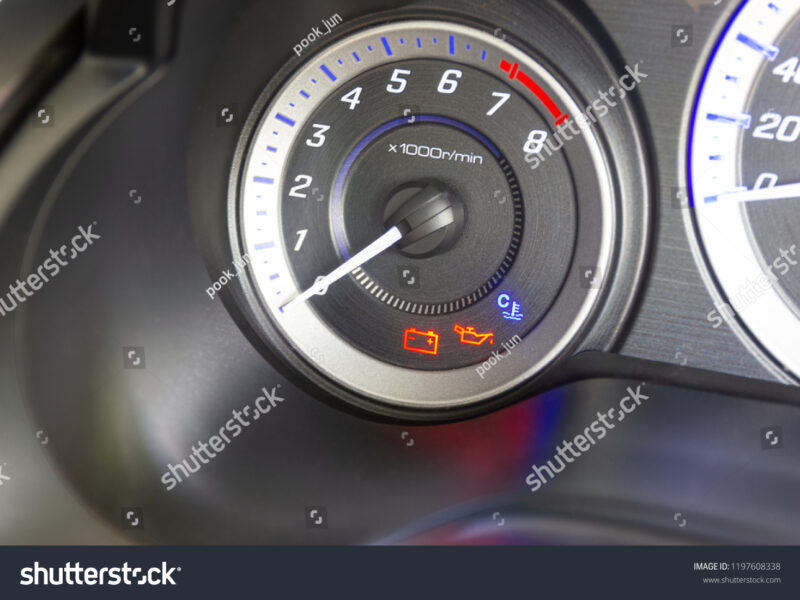
Another significant indicator is the illumination of the battery warning light on your dashboard. While this light can also signal an issue with the alternator, it frequently points to the battery’s inability to hold an adequate charge. Furthermore, observe your vehicle’s electrical components: dim headlights, flickering interior lights, or an infotainment system that resets or struggles to power on can all be symptomatic of a weak battery. A visual inspection might also reveal physical signs of distress, such as a swollen or bulging battery case (indicating internal heat buildup or overcharging), corrosion around the terminals that is difficult to remove, or a strong sulfurous odor emanating from the battery compartment, which suggests an internal short or severe overcharging. If your battery is also past its typical 3-5 year lifespan, these indicators become even more critical prompts for replacement.
Is it Beneficial to Disconnect My Car Battery During Long-Term Storage?
While disconnecting your car battery during long-term storage (typically exceeding two weeks) can prevent parasitic draws from completely draining it, the overall benefit is often outweighed by potential drawbacks, especially for modern vehicles. Disconnecting the battery effectively isolates it from the vehicle’s electrical system, preventing small, continuous current draws from components like the clock, radio memory, alarm system, and onboard computer modules. These parasitic draws, even if only 20-50 milliamps, can fully discharge a healthy 12V battery within 2-4 weeks, leading to sulfation and permanent capacity loss.
However, in today’s sophisticated vehicles, disconnecting the battery can cause more problems than it solves. Modern ECUs and other electronic systems often lose their learned parameters and memory settings when deprived of power. This can result in the need to reset radio codes, recalibrate power windows, or even require the engine’s idle to “re-learn” its optimal operating parameters, potentially leading to rough idling or suboptimal performance until the system readjusts. Furthermore, certain security systems may be disrupted. A far superior and recommended solution for vehicles in long-term storage is to utilize a smart battery maintainer, as detailed in Essential Maintenance Tips for Electric Vehicles (though applicable to conventional batteries in this context of charging strategy). These devices keep the battery at an optimal charge level without disconnecting it from the vehicle, preserving all electronic settings and ensuring the battery remains healthy for immediate use.
How Does Driving Style Influence My Car Battery’s Lifespan?
Your driving style and habits exert a significant, often underestimated, influence on the longevity of your car battery. Primarily, frequent short trips, defined as drives lasting less than 20-30 minutes, are highly detrimental to battery health. During engine startup, a substantial surge of current (hundreds of amps) is drawn from the battery. The alternator then requires sufficient operating time to fully replenish this charge. If your driving consists mainly of short commutes or errands, the battery is consistently discharged without adequate time for a full recharge cycle. This chronic state of undercharging accelerates the process of sulfation, where lead sulfate crystals harden on the battery plates, irreversibly reducing the battery’s capacity and ability to accept a charge, effectively shortening its lifespan by up to 30% compared to vehicles used for longer, regular drives.
Conversely, consistently engaging in longer drives at highway speeds allows the alternator to operate efficiently and fully recharge the battery, maintaining its optimal state of charge. Aggressive driving habits, characterized by frequent rapid accelerations and decelerations, can also indirectly impact battery life by placing increased stress on the alternator and electrical system, potentially leading to fluctuating voltage and current demands. While this impact is less direct than short trips, it contributes to overall system wear. Furthermore, regularly using a multitude of electrical accessories (e.g., high-power sound systems, heated seats, dash cams) during short drives exacerbates the undercharging issue. For vehicles predominantly used for short trips, a weekly drive of at least 45-60 minutes at a steady pace or the regular use of a battery maintainer is critical to counteract these negative effects and help the battery achieve its maximum potential lifespan.