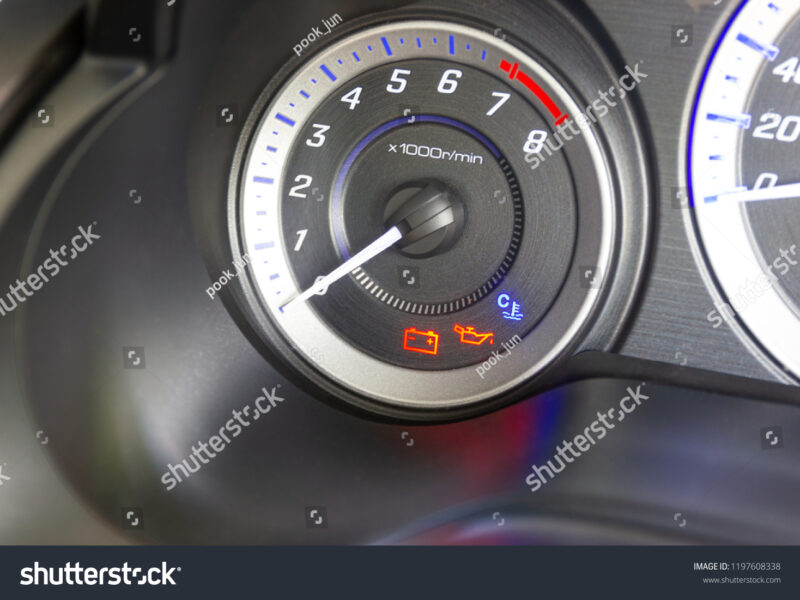
Have you ever wondered if a weak car battery could be behind your transmission shifting problems? The answer is a resounding yes. A weak battery can disrupt the essential electrical power supply necessary for your vehicle’s gearbox, particularly modern automatic transmissions that rely heavily on a stable 12V electrical supply.
When the voltage drops, critical components such as transmission solenoids and transmission control modules (TCMs) can perform erratically. This leads to noticeable shifting issues, including abrupt changes or delays that can frustrate any driver.
What is the Electrical Requirement for Transmission Systems?
Automotive transmission control units (TCUs) depend on a consistent voltage to operate effectively. A well-maintained 12V lead-acid battery should provide stable voltage outputs across various load conditions. Any fluctuations or prolonged drops below a critical threshold can impair the electronic signals that direct gear engagements and disengagements, ultimately affecting hydraulic pressure management within the gearbox.
How Does a Weak Battery Affect Transmission Solenoids?
Transmission solenoids act as electromechanical valves that control the flow of transmission fluid, engaging and disengaging clutches for smooth gear changes. When these solenoids encounter issues, your vehicle can exhibit performance problems such as abrupt or delayed gear shifts and noticeable shuddering during acceleration. A weak battery may fail to deliver sufficient current to these solenoids, hampering their ability to operate correctly and at the necessary speed.
Additionally, the TCM may misinterpret sensor readings owing to a weak battery, leading it to send inaccurate commands to the solenoids. If the Check Engine Light (CEL) illuminates alongside specific Diagnostic Trouble Codes (DTCs), it could highlight underlying issues related to solenoid or circuit malfunctions. For more on this topic, check out Transmission Solenoid Failure: How to Identify Symptoms and Save Your Gearbox.
What are the Specific Voltage Thresholds for Battery Health?
A functioning 12V lead-acid battery displays a resting voltage between 12.6V and 12.8V. During engine cranking, the voltage should not dip below 9.6V to 10.0V. Consistent readings below 12.4V at rest or significant drops during cranking indicate a weak or failing battery. This low voltage makes it difficult to power the sensitive electronics of the transmission, exacerbating symptoms such as delayed engagements or harsh shifts—often mistaken for internal transmission wear.
Can Low Transmission Fluid Cause Shifting Issues with a Weak Battery?
Absolutely. Low or degraded transmission fluid can worsen shifting complications resulting from a weak battery. Poor fluid quality disrupts hydraulic pressure management, undermining vital functions like lubrication and cooling. As the fluid deteriorates, its viscosity declines, impacting its ability to transmit necessary hydraulic pressure for precise clutch engagement. When combined with a weak battery, the solenoids struggle to control fluid flow accurately, complicating shifting issues further.
How Does a Weak Battery Impact Transmission Control Modules (TCMs)?
The Transmission Control Module (TCM) serves as the electronic brain of the automatic transmission, interpreting data from various sensors to direct the solenoids’ actions. A stable voltage supply is crucial for its accurate functioning. However, a weak battery can result in voltage drops that disrupt TCM operations, leading to incorrect commands or errors in sensor data interpretation. These disruptions may trigger the transmission to enter “limp mode” or exhibit erratic shifting patterns.
Comparative Analysis of Transmission Issues
| Symptom | Potential Cause: Weak Battery | Potential Cause: Bad Transmission Fluid | Potential Cause: Failing Solenoid |
|---|---|---|---|
| Delayed/Harsh Shifts | Insufficient voltage to solenoids/TCM | Degraded viscosity affecting hydraulic pressure | Solenoid not actuating properly |
| Shudder during Acceleration | Erratic TCM commands due to voltage instability | Inconsistent clutch engagement due to poor fluid | Solenoid response lag or malfunction |
| Check Engine Light (CEL) with DTCs | Electrical system faults, TCM errors | Gear ratio errors, pressure control faults | Solenoid circuit faults, performance codes |
| Transmission “Limp Mode” | TCM protecting itself from voltage fluctuations | Severe hydraulic control failure | Solenoid failure leading to safety mode engagement |
Frequently Asked Questions
- Can a car start but still have transmission problems due to the battery?
- Yes, a battery may have enough power to crank the engine while lacking sufficient, stable voltage to reliably operate the transmission’s electronics.
- What is the typical voltage drop for a battery affecting transmission?
- A sustained voltage below 12.4V at rest or dropping below 9.6V during cranking indicates weakness that can significantly impair transmission control.
- Are battery terminal types related to transmission issues?
- No, battery terminal types (Top Post, Side Post, L-Terminals) are related to physical connections, not to the electrical stability required for uninterrupted transmission operation.