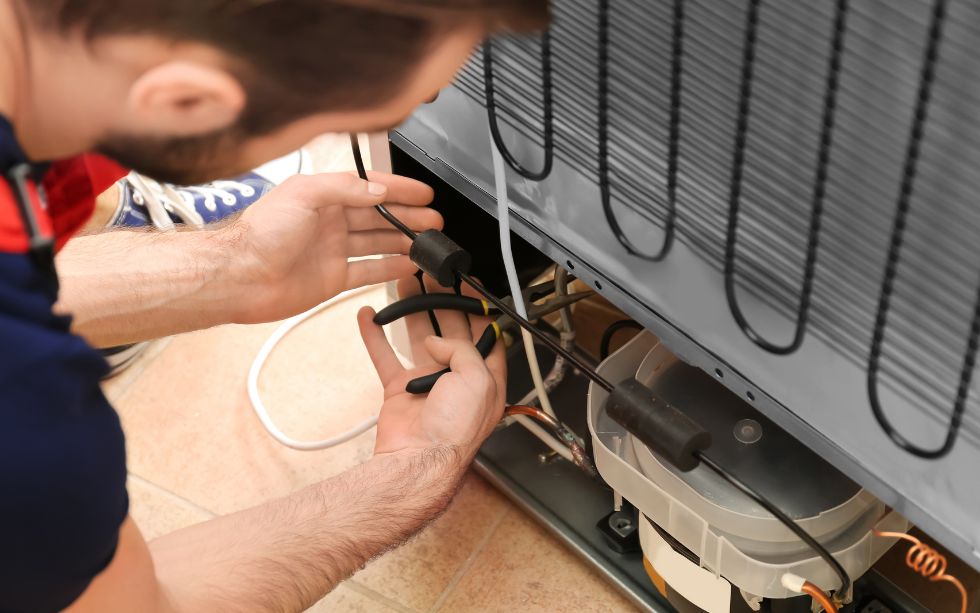
Maintaining the cooling system of electric vehicle (EV) batteries is not just crucial; it’s imperative for ensuring optimal performance and extending the battery lifespan beyond the standard warranty of 8 years or 100,000 miles. Neglecting it can lead to severe consequences that can impact both efficiency and safety. Efficient thermal management sustains high performance and maximizes the vehicle’s range by preventing overheating or excessive cooling, both of which degrade battery health.
Why is Thermal Management Critical in Lithium-Ion Batteries?
Lithium-ion batteries, which power the majority of electric vehicles, function best within a narrow temperature range of 15 °C to 35 °C. Operating outside this range significantly diminishes battery efficiency and longevity. For instance, temperatures exceeding 45 °C during charging can inflict irreversible damage, while extreme heat can degrade battery capacity by as much as 40% if consistently exposed to 45-60 °C. Conversely, low temperatures hinder chemical reactions, leading to decreased performance and range.
What Are the Key Components of an EV Cooling System?
The battery cooling systems in electric vehicles are intricate, comprising several interconnected elements critical for efficient thermal management. Key components include:
- Coolant Pumps: Ensure the constant circulation of coolant to facilitate effective heat transfer.
- Heat Exchangers: Facilitate energy transfer between the coolant and battery, maintaining optimal thermal conditions.
- Radiators: Disperse excess heat into the ambient air, preventing overheating.
- Temperature Sensors: Continuously monitor thermal conditions to optimize system parameters and respond to fluctuations.
Some systems even integrate air conditioning compressors for active cooling and high-voltage heaters for cold climates, ensuring the temperature of the battery cells remains within the optimal range for performance.
What Types of Coolants Are Used in EV Battery Cooling Systems?
Electric vehicles utilize specialized coolants that differ from those found in internal combustion engines. Commonly used are:
- Dieléctrico Oil: Non-conductive and highly efficient, it circulates directly through the batteries to manage heat without risk of electrical faults.
- Ethyleneglycol or Propylene Glycol Solutions: Typically diluted with distilled water, these solutions are designed for extreme thermal management conditions, enhancing the cooling system’s performance.
Utilizing only the manufacturer-recommended coolant is crucial to avoid issues such as aluminum corrosion within the cooling system. Always adhere to the guidelines specified in your vehicle’s owner manual to ensure compatibility.
What Are the Specific Maintenance Intervals for the Battery Cooling System?
Maintenance intervals for battery cooling systems vary significantly based on manufacturer, vehicle model, and cooling system type (passive, active air, or active liquid). Below are specific maintenance intervals for various models:
| EV Model | Cooling System Component | Maintenance Interval | Specific Notes |
|---|---|---|---|
| Tesla Model 3 | Battery Coolant | Every 10 years | Essential for long-term battery health and optimal performance in rapid charging/extreme conditions; inspection levels only by Tesla or certified professionals. |
| Nissan Leaf (2025/2026 Models with Liquid Cooling) | Inverter and Battery Coolant | Initial change at 200,000 km (125,000 miles) or 15 years; then every 80,000 km (48,000 miles) or 4 years. | Use only Nissan Long Life Coolant (Blue). Mixing with other types or un-distilled water reduces recommended service interval. Previous models mainly used air cooling. |
| Chevrolet Bolt EV | Battery Coolant | Every 5 years or 240,000 km (150,000 miles), whichever comes first. | Inspections every 24,000 km (15,000 miles). The Chevy Bolt EV has three separate coolant circuits for the battery, power electronics, and HVAC. |
Refer to the owner’s manual for specific maintenance guidelines. Unauthorized handling of the battery coolant reservoir may void the warranty.
How Does Optimal Operating Temperature Affect Battery Lifespan?
Keeping lithium-ion batteries within their optimal temperature range of 15 °C to 35 °C is crucial for longevity and performance. Poor thermal management can lead to accelerated degradation. For example, elevated internal temperatures can raise internal resistance and accelerate unwanted side reactions, resulting in irreversible capacity loss and increased thermal runaway risk. Low temperatures can slow down lithium-ion kinetics, reducing available power and charging efficiency. Moreover, uniform temperature distribution across the battery pack is essential to prevent localized hotspots that accelerate the aging of individual cells.
Frequently Asked Questions (FAQ)
How often should I check the coolant level in my EV battery?
Manufacturers recommend regularly checking and topping off coolant levels. This is especially vital in systems with active liquid cooling to ensure consistent thermal management.
Is the brake fluid in an EV different from that in a combustion vehicle?
No, brake fluid is generally the same in EVs and combustion vehicles, typically needing replacement every 4 years or according to system assessments.
What happens if I neglect the battery cooling system maintenance of my EV?
Neglecting maintenance can lead to overheating, accelerated battery degradation, reduced range, slower charging speeds, and in extreme cases, catastrophic failures that may compromise vehicle safety.
Can I change the battery coolant in my EV myself?
Generally, it is not recommended, as coolant replacement may require specialized equipment and knowledge. This procedure should be performed by qualified technicians. Improper handling can void the warranty.
For further insights about maintaining your EV’s cooling system, you may find the following resources useful: Troubleshooting and Repairing EV Battery Cooling System Issues, and Electric Vehicle Brake Maintenance: What You Need to Know. Understanding the intricacies of EV Battery Health can also provide valuable knowledge for enhancing your vehicle’s efficiency and lifespan.