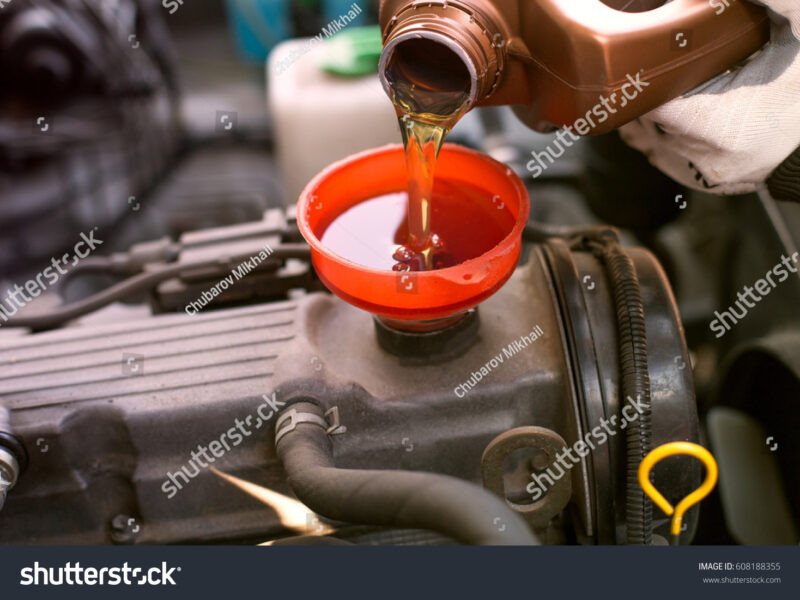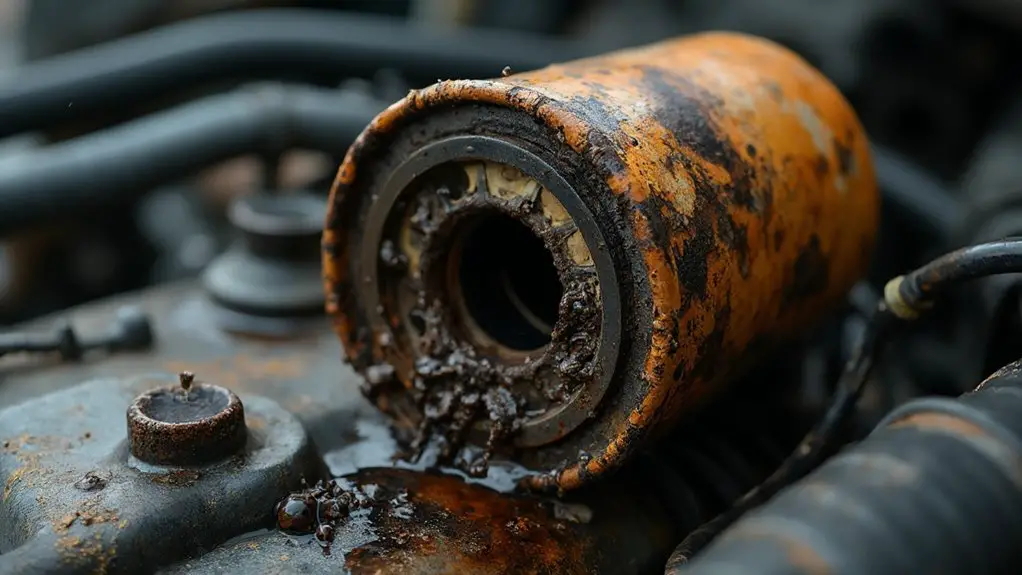
Understanding the warning signs of a clogged oil filter is essential for preventing catastrophic engine failure and ensuring the longevity of your vehicle. A clogged oil filter hampers the vital flow of lubricant to crucial engine components like bearings, camshafts, and piston rings, which can lead to severe damage. Recognizing these indicators can save you from expensive repairs and keep your engine running smoothly.
What are the 5 Critical Signs of a Clogged Car Oil Filter?
Detecting the insidious signs of an oil filter blockage can make all the difference in your vehicle’s performance. From the dashboard warning lights to unusual noises, understanding these symptoms will help you avert costly damage to your engine.
1. Why is the Oil Pressure Warning Light Illuminating?
One of the most immediate and telling signs is the illumination of the oil pressure warning light on your dashboard. This indicator, often characterized by a red or orange oil can symbol, means the engine’s oil pressure has fallen below acceptable levels. A clogged oil filter restricts oil flow, putting undue stress on the oil pump and leading to dwindling lubrication. Ignoring this warning can result in rapid wear of critical components like crankshaft bearings and camshafts due to inadequate lubrication.
2. What Unusual Engine Noises Indicate a Clogged Oil Filter?
When an oil filter becomes severely clogged, it can starve several engine components of necessary lubrication. This situation can lead to increased friction, resulting in audible metallic sounds such as ticking, knocking, or grinding—especially noticeable during engine startup or acceleration. If you hear these noises, it’s crucial to take immediate action. Pull over and shut off the engine to safeguard against irreversible damage.
3. Is Reduced Engine Performance Related to Oil Filter Issues?
A blocked oil filter undoubtedly impacts engine performance. When oil flow is restricted, the engine’s precision parts don’t receive adequate lubrication, leading to sluggish acceleration, a noticeable power loss, or rough idling. The engine works harder to combat increased friction, decreasing its responsiveness and overall efficiency, which may also affect fuel economy.
4. Why is Dark or Dirty Exhaust Smoke Appearing?
A critical blockage can prompt the internal bypass valve in the oil filter to activate, allowing some oil to flow—albeit unfiltered. This results in contaminants, such as dirt and metal shavings, entering the combustion chamber. The presence of these impurities can produce dark, thick exhaust smoke, sometimes accompanied by a pungent burning oil smell. Such signs indicate that your filtration system is failing, jeopardizing both engine performance and emissions.
5. What Causes Engine Overheating with a Clogged Oil Filter?
Engine oil serves a dual purpose: providing lubrication and dissipating heat. A clogged oil filter prevents oil from effectively reaching vital components, leading to increased friction and excessive heat generation. If your engine operates at elevated temperatures for extended periods, you risk deforming or cracking metal components, which may cause leaks and catastrophic engine failure. This underscores the importance of maintaining a properly functioning lubrication system, emphasized in The Unseen Battle: How Your Oil Filter Fights Engine Wear.
What Causes an Oil Filter to Become Clogged?
An oil filter’s primary purpose is to capture and hold onto harmful contaminants. However, various factors can contribute to its premature clogging:
- Accumulation of Contaminants: Over time, oil collects impurities such as dust, metal shavings from engine wear, and carbon deposits. Once a filter reaches its dirt-holding capacity, it becomes clogged. Research indicates that while 90% of filters can manage 30,000 km with a capacity of 13.4 g, this varies based on operating conditions.
- Oil Degradation and Sludge Formation: High operating temperatures or combustion issues lead to burned fuel residues that can thicken oil and cause sludge buildup in the filter. Oxidation and moisture further hasten sludge development, particularly with prolonged oil change intervals or in severe driving conditions.
- Extended Service Intervals: Exceeding manufacturer-recommended intervals—typically 5,000 miles for cellulose filters or 10,000 miles for synthetic ones—can lead to clogging. Urban driving conditions often shorten filter lifespan, suggesting a need for more frequent changes.
- Low-Quality Oil or Filters: Using inferior oil or filters can drastically reduce filtration effectiveness, leading to the breakdown of filter media or compromised bypass valves.
How Does a Clogged Oil Filter Impact Engine Longevity and Performance?
The repercussions of a clogged oil filter extend far beyond immediate symptoms, posing significant threats to your engine’s health. A restricted oil flow circulating abrasive particles expedites wear on essential components such as bearings and pistons, dramatically reducing their lifespan. You can learn more about the health risks involved in Identifying a Clogged Oil Filter: Symptoms, Causes, and Solutions for Engine Health.
Moreover, increased friction compels the engine to work harder, detrimentally affecting fuel efficiency. For a more in-depth discussion on this topic, refer to Is Your Oil Filter Harming Your MPG? The Link Between Filtration and Fuel Economy.
What are the Performance Characteristics of Different Oil Filter Types?
Selecting the right oil filter is crucial for optimizing engine protection and extending maintenance intervals. Filters differ extensively in media composition, micron rating, and bypass valve settings, all of which affect their overall efficiency and longevity.
| Filter Type | Filter Media Material | Typical Service Interval (Miles) | Nominal Micron Rating (Efficiency @ Micron) | Bypass Valve Opening Pressure (PSI Differential) |
|---|---|---|---|---|
| Standard/Cellulose | Cellulose fibers, often blended with synthetic | Up to 5,000 miles or 1 year | 25-40 microns at ~90% efficiency | 8-11 PSI |
| Synthetic Blend | Mix of cellulose and synthetic fibers | 5,000-7,500 miles or 1 year | 15-20 microns at 95% efficiency | 10-15 PSI (engine dependent) |
| Full Synthetic/Extended Life | Synthetic micro-glass or polyester fibers | Up to 10,000-15,000 miles or 1 year | 5-10 microns at 98%+ efficiency | 15-22 PSI (performance-oriented) |
A study by General Motors revealed that decreasing filtration from 40 microns to 30 microns cut engine wear by 50%. Further reducing it to 15 microns led to a 70% reduction in wear. This highlights the importance of selecting a filter with a lower micron rating to significantly extend engine lifespan.
What are the Best Practices for Oil Filter Maintenance?
Following a rigorous oil filter maintenance schedule is vital for your engine’s protection. Most manufacturers recommend replacing the oil filter with every oil change—a routine that typically occurs every 5,000 to 7,500 miles for conventional oil and up to 10,000 miles for synthetic. Severe conditions, such as frequent stop-and-go traffic or extreme weather, may necessitate more frequent changes. Always consult your vehicle’s manual for a specific maintenance schedule and recommended filter specifications.
Frequently Asked Questions About Clogged Oil Filters
What is the primary function of an automotive oil filter?
Its primary role is to capture and retain harmful contaminants from the engine oil, ensuring that clean oil circulates through the engine’s precision components.
Can a clogged oil filter cause a decrease in fuel economy?
Yes, a clogged oil filter restricts oil flow, forcing the engine to work harder due to increased friction, directly reducing fuel efficiency.
How often should I replace my car’s oil filter?
It’s generally recommended to replace the oil filter with every oil change—usually between 5,000 to 7,500 miles for conventional oil or 10,000-15,000 miles for synthetic, or at least once annually, depending on driving conditions.
Will my engine be damaged if the oil filter bypass valve opens?
Yes, when the bypass valve opens due to a clogged filter, it allows unfiltered oil to flow. This exposes essential components to harmful contaminants, accelerating wear over time.
What micron rating is ideal for an oil filter?
For optimal engine longevity, oil filters should have a capture efficiency of 95% or greater at 10 microns since particles in this range cause the most significant wear over time.