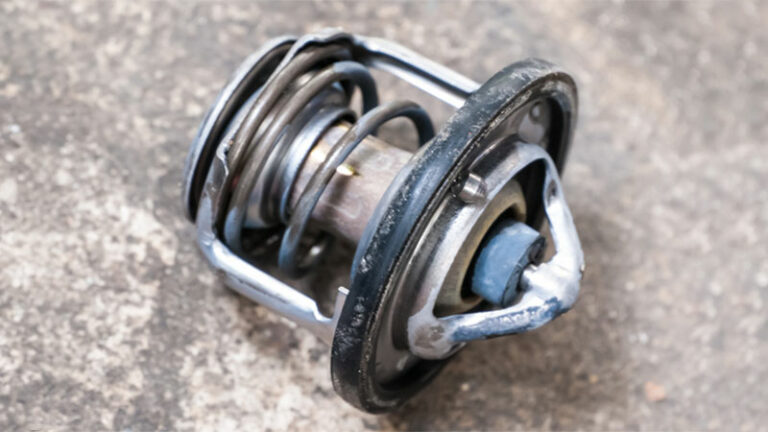
A failing car thermostat is not just an inconvenience; it’s a ticking time bomb for your engine. This essential component regulates your engine’s temperature, ensuring it runs smoothly and prevents both overheating and undercooling. Recognizing the early symptoms of a malfunctioning thermostat is crucial to avert costly engine repairs and potential breakdowns on the road.
If you’ve noticed unusual temperature fluctuations or a struggling engine, a faulty thermostat might be the culprit. Ignoring these warning signs could lead to severe damage, from warped cylinder heads to complete engine seizures. By understanding these early indicators, you can diagnose the problem swiftly and save yourself from substantial repair bills.
What are the primary symptoms of a bad car thermostat?
Detecting a failing car thermostat involves keeping an eye on several critical symptoms related to your engine’s temperature regulation. These signs can escalate quickly, making early detection not just beneficial but essential.
Why does my engine overheat suddenly?
One of the most alarming indicators of a failing thermostat is sudden engine overheating. If the thermostat gets stuck in the closed position, it restricts coolant flow from the engine to the radiator, trapping hot coolant and causing the temperature to soar. Watch your temperature gauge closely; if it spikes into the red zone, it’s time to take action. Ignoring this can lead to catastrophic failures, like blown head gaskets or even a cracked engine block.
Can a failing thermostat cause my engine to run too cold?
On the flip side, a thermostat stuck in the open position allows coolant to flow constantly through the engine and radiator, preventing your vehicle from reaching optimal operating temperature. You might see your temperature gauge lingering on the low side, even after a lengthy drive. This condition hampers fuel efficiency, increases emissions, and may inhibit your car’s heater from functioning correctly, leaving you cold in winter.
Why is my car’s temperature gauge fluctuating wildly?
An erratic temperature gauge that swings between normal, hot, and cold readings strongly suggests an intermittently failing thermostat. If it’s only partially open or closed, this malfunction can cause considerable stress on engine components. Moreover, it complicates your ability to assess your engine’s true operating temperature.
Are coolant leaks near the thermostat housing a sign of failure?
While not a direct indication of the thermostat’s internal failure, coolant leaks around the thermostat housing often signal trouble. The constant temperature swings and pressure changes from a malfunctioning thermostat can compromise the housing gasket, leading to leaks. Inspecting your vehicle for puddles underneath or visible coolant residue around the housing can help you catch this issue early. Addressing these leaks is vital to maintain appropriate coolant levels and prevent adverse effects. For a comprehensive guide on diagnosing leaks, check out our article on Pinpointing the Problem: Your Guide to Diagnosing and Fixing Car Radiator Leaks.
Why is my car heater not working effectively?
If your car’s heater is only blowing cold air when the engine should be warmed up, it’s likely due to a stuck-open thermostat. When this happens, the engine fails to reach the necessary temperature to heat the coolant adequately for the heater core. Consequently, you may find yourself driving in discomfort as the cabin remains cold.
How does a car thermostat work?
The car thermostat is a small yet vital spring-loaded valve positioned between the engine and the radiator. Inside, it contains a wax pellet that responds to temperature changes by expanding or contracting. When the engine is cold, the wax contracts, keeping the valve closed to prevent coolant circulation to the radiator. As the engine heats up, the wax expands, opening the valve and permitting coolant to flow through the radiator, thereby maintaining an optimal operating temperature.
What are the risks of ignoring a failing car thermostat?
Neglecting a malfunctioning thermostat presents significant risks that can lead to severe and costly consequences. An engine that consistently overheats may suffer from warped cylinder heads, blown head gaskets, or even piston damage. Conversely, an engine running too cold will experience reduced fuel efficiency, increased wear from inadequate lubrication, and harmful deposits. In dire cases, this neglect can culminate in complete engine failure, requiring an expensive rebuild or replacement.
What is the average cost to replace a car thermostat?
The cost involved in replacing a car thermostat varies based on factors like make and model, type of thermostat, and local labor rates. Generally, it’s deemed a more affordable repair compared to the potential engine damage it can help prevent.
| Component | Estimated Cost Range |
|---|---|
| Thermostat Part (aftermarket) | $20 – $60 |
| Thermostat Part (OEM) | $50 – $100+ |
| Labor (1-2 hours) | $100 – $300 |
| Total Estimated Cost | $120 – $400 |
These figures serve as estimates and may fluctuate based on your location and specific mechanic rates. Some vehicles might necessitate more complex thermostat housing or extra components like a new gasket or coolant, which can slightly hike the overall cost.
Frequently Asked Questions
Can I drive with a bad thermostat?
While it may be possible to drive a short distance with a failing thermostat, it’s strongly advised against. A stuck-closed thermostat can lead to rapid engine overheating, causing irreversible damage. Similarly, a stuck-open thermostat may result in reduced fuel efficiency and increased wear, potentially leading to other problems down the line.
How long does a car thermostat last?
Car thermostats are typically designed to last between 10 to 15 years or 100,000 to 150,000 miles. However, their lifespan can be shortened due to poor coolant maintenance, corrosion, or manufacturing defects.
Is replacing a thermostat a DIY job?
For those with mechanical skills, replacing a thermostat can often be a DIY task, especially in older vehicles where accessibility is less of an issue. This process does involve draining and refilling coolant, bleeding the cooling system, and ensuring there are no air pockets. If you’re uncertain, consulting with a professional mechanic is always advisable.
What causes a thermostat to fail?
Thermostats usually fail due to age and wear, often causing the wax pellet inside to lose its ability to expand and contract properly. Additionally, corrosion from outdated or improper coolant can damage the thermostat’s mechanism. Over time, the spring may weaken or the housing could crack, leading to further issues.