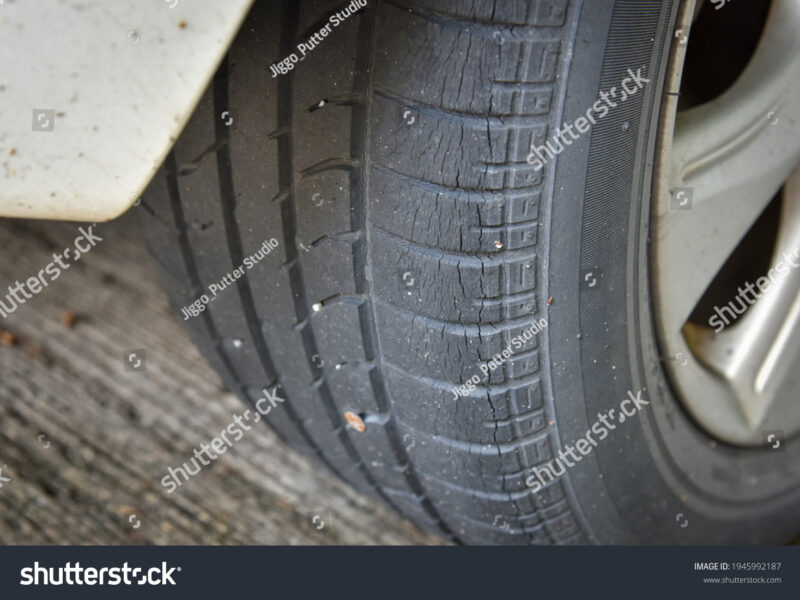
Selecting the right all-season tires for your SUV is crucial for ensuring safety, optimal performance, and long-term value in 2024. These specialized tires are engineered to deliver reliable traction and handling across various conditions, from dry summer roads to wet autumn commutes and light winter snow. A good all-season tire not only enhances your driving comfort but also supports efficient fuel consumption by minimizing rolling resistance.
This comprehensive guide will navigate the top-rated all-season SUV tires, examining their key performance characteristics, expected longevity, and what makes them stand out in a competitive market. We highlight direct, technical insights to arm you with the information necessary for making an informed decision regarding your vehicle’s tire needs.
What factors define the best all-season tires for SUVs?
Optimal all-season tires for SUVs blend several critical attributes to provide balanced performance year-round. Understanding these factors is key to choosing a tire that meets your specific driving needs. Here are the essential considerations:
- Tread Design: Advanced tread patterns featuring siping (small slits) and robust tread blocks are essential for gripping diverse surfaces, from dry pavement to light snow and wet roads. A well-designed tread can significantly reduce hydroplaning risk, enhancing safety.
- Rubber Compound: The tire’s compound must remain flexible in colder temperatures for winter traction while resisting excessive wear in warmer conditions. This flexibility enhances grip during sudden weather changes.
- Load and Speed Ratings: SUVs require tires with appropriate load capacities to handle their weight and potential cargo, along with speed ratings that match or exceed the vehicle’s top speeds. Failure to adhere to these ratings can compromise safety.
- Treadwear Warranty: A robust treadwear warranty typically indicates the manufacturer’s confidence in a tire’s longevity, ranging from 50,000 to 85,000 miles for most all-season SUV tires. Tire longevity can also be influenced by driving habits and maintenance practices.
- Ride Comfort and Noise Reduction: Many premium all-season SUV tires incorporate technologies, such as sound-cancellation features, to minimize road noise and provide a smoother, more comfortable driving experience.
Which are the best all-season tires for SUVs in 2024?
Based on extensive performance metrics, longevity, and consumer reviews, several all-season SUV tires stand out in 2024. These models consistently deliver a superior balance of grip, durability, and comfort:
| Tire Model | Treadwear Warranty | Key Features & Performance Highlights | Typical Price Range (per tire) |
|---|---|---|---|
| Michelin CrossClimate2 (SUV) | 60,000 miles | Exceptional wet and dry braking; strong light snow traction (3PMSF rated); long-lasting tread life, surpassing competitors by up to 15,000 miles. Excellent stopping power even when worn. | $190 – $300+ |
| Bridgestone Alenza AS Ultra | 80,000 miles | Excellent balance of wet, winter, and wear performance; QuietTrack™ Technology offers a luxurious and quiet ride; advanced high-silica compound improves traction. | $180 – $290+ |
| Pirelli Scorpion Verde All Season Plus II | 65,000 miles | Eco-friendly design for enhanced fuel efficiency; refined on-road manners with wet traction and light snow capability; optimized pitch sequencing for a quiet ride, featuring Pirelli Noise Cancelling System™. | $170 – $280+ |
| Continental CrossContact LX25 | 65,000 – 70,000 miles (varies by speed rating) | Touring tire prioritizing comfort, low noise, and confident wet braking. EcoPlus Technology enhances fuel efficiency and reduces stopping distances. Features Tuned Performance Indicators. | $160 – $270+ |
| Goodyear Assurance MaxLife | 85,000 miles | Goodyear’s longest-lasting tire; TredLife™ Technology ensures all-season reliability and maximum wear performance; built-in wear gauges allow easy tread-depth readings. | $150 – $260+ |
How do all-season tires balance performance and longevity for SUVs?
Achieving a balance between reliable performance and extended tread life is a hallmark of premium all-season SUV tires. This balance is critical for drivers seeking year-round utility without the inconvenience of frequent tire changes.
What contributes to all-season tire performance?
- Multi-compound Technology: Many leading tires utilize advanced silica-enhanced rubber compounds that adapt to varying temperatures, maintaining grip in wet, dry, and lightly snowy conditions.
- Tread Pattern Innovations: Intricate tread designs featuring numerous sipes and circumferential grooves efficiently evacuate water and slush, significantly reducing hydroplaning risk and enhancing wet braking performance.
- Three-Peak Mountain Snowflake (3PMSF) Rating: Some all-season tires, like the Michelin CrossClimate2, bear the 3PMSF symbol, indicating they meet specific performance criteria for severe snow conditions, offering enhanced capability over standard all-season tires.
- Stabilized Shoulder Blocks: These features improve handling and cornering stability, crucial for the higher center of gravity found in SUVs, thus ensuring better control in various driving situations.
How can SUV tire longevity be maximized?
Maximizing the lifespan of your SUV’s all-season tires involves a combination of smart tire choice and diligent maintenance practices. This not only extends the life of your tires but also contributes to overall vehicle safety and performance.
- Understanding Treadwear Ratings (UTQG): A higher treadwear rating on the uniform tire quality grade (UTQG) scale generally indicates a longer-lasting tire. For instance, the Bridgestone Alenza AS Ultra boasts a treadwear rating of 800, demonstrating exceptional durability.
- Proper Tire Inflation: Maintaining correct tire pressure is paramount. Under- or over-inflated tires lead to uneven wear, reduced fuel efficiency, and compromised handling. Regular pressure checks can prevent these issues.
- Regular Tire Rotations: Rotating tires every 5,000 to 7,500 miles ensures uniform wear across all four tires, extending their collective lifespan. This practice is especially crucial for vehicles with different sized tires on the front and rear axles, which often leads to uneven wear.
- Wheel Alignment: Misaligned wheels can cause rapid and irregular tire wear. Regular alignment checks, often performed during maintenance such as shock absorber replacements or brake service, are critical for tire longevity and vehicle handling.
- Inspecting for Wear and Damage: Periodically checking tires for signs of uneven wear, cracks, bulges, or punctures allows for early detection of potential issues and can prevent more severe problems from developing.
How can I choose the right all-season tire for my SUV?
Selecting the ideal all-season tire for your SUV depends on several personalized factors, including your driving environment, habits, and budget. Here are some guidelines to consider:
- Consider Your Climate: While all-season tires perform adequately in light snow, if you experience severe winter conditions with heavy snow and ice, a dedicated winter tire might be a safer option. Tires with the 3PMSF symbol offer enhanced winter capabilities.
- Evaluate Driving Habits: Aggressive driving, frequent heavy loads, or extensive highway travel will place different demands on your tires. Choosing a tire with a higher load index and a robust tread compound will benefit those with demanding driving patterns.
- Match Tire Specifications to Your Vehicle: Always refer to your SUV’s owner’s manual or the sticker on the driver’s side door jamb for recommended tire size, load index, and speed rating. Ensuring compatibility is vital for both safety and performance.
- Balance Price and Features: While budget-friendly options exist, investing in a higher-rated tire often translates to enhanced safety, performance, and a longer lifespan, offering better value over time.
- Read Reviews and Expert Recommendations: Consulting independent tire reviews and expert opinions can provide insights into real-world performance and longevity, helping you make an informed choice.
Frequently Asked Questions about SUV All-Season Tires
Are all-season tires good in snow for SUVs?
All-season tires are designed to perform adequately in light snow and slush. However, they are not a substitute for dedicated winter tires in heavy snow or icy conditions. Some all-season tires, identified by the Three-Peak Mountain Snowflake (3PMSF) symbol, offer enhanced snow traction.
What is the typical lifespan of an SUV all-season tire?
The lifespan of an SUV all-season tire typically ranges from 50,000 to 85,000 miles, heavily dependent on the specific tire model, treadwear warranty, driving habits, and maintenance.
Do all-season tires save money?
All-season tires can save money by eliminating the need for seasonal tire changes and storage costs associated with dedicated winter and summer tires. Their longer tread life also reduces replacement frequency compared to performance-oriented summer tires.
What do the numbers on an SUV tire mean?
The numbers on an SUV tire (e.g., 235/60R18 103H) represent the tread width (235mm), aspect ratio (60% of width), construction type (R for radial), rim diameter (18 inches), load index (103 for weight capacity), and speed rating (H for maximum safe speed). Ensure these parameters align with or exceed your vehicle’s requirements.
Can I mix different brands of all-season tires on my SUV?
It is generally not recommended to mix different brands or types of tires on an SUV. This can lead to uneven handling, braking, and stability due to variations in tread patterns, compounds, and construction. For optimal safety and performance, always use a matching set of four tires.