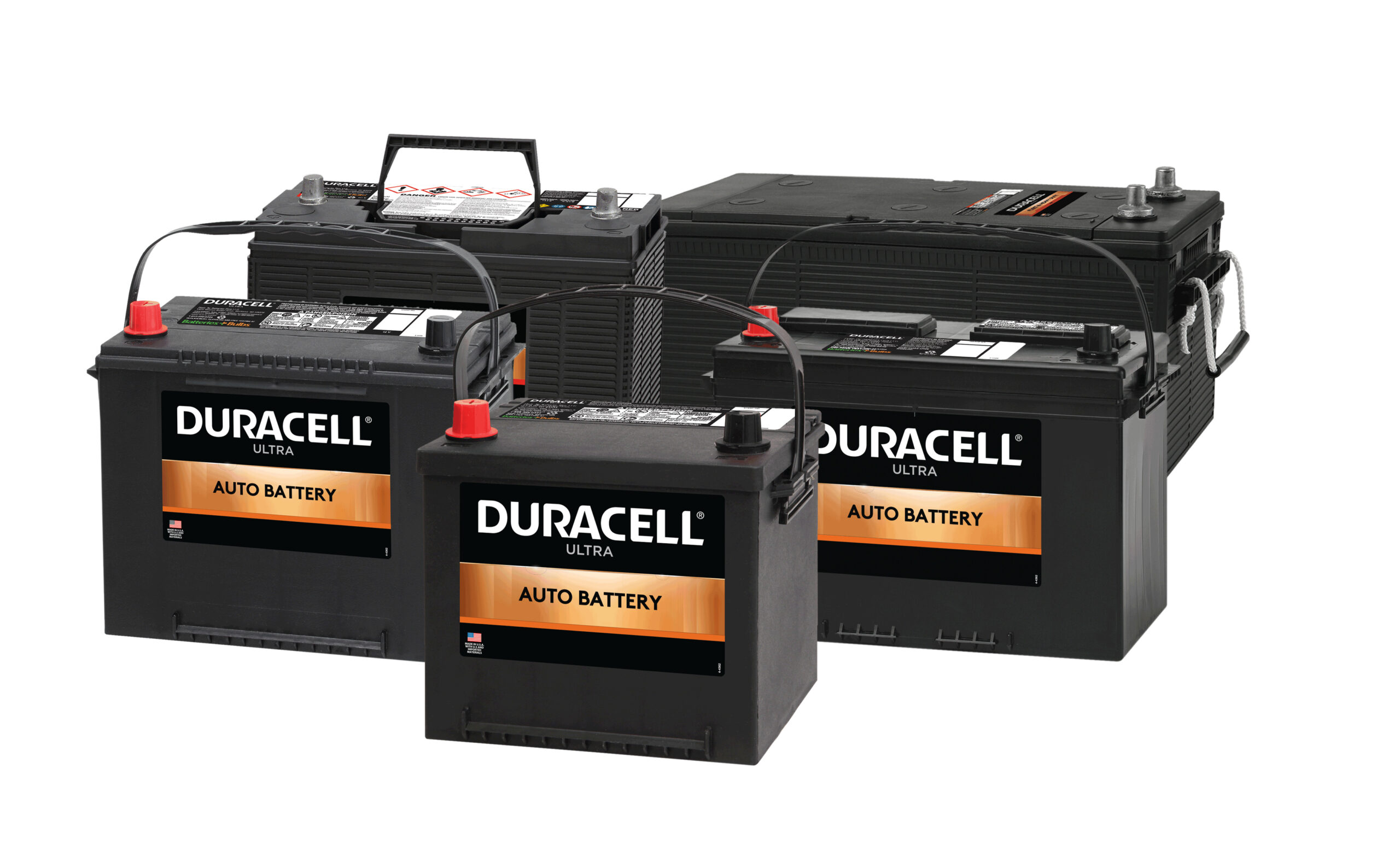
To choose the correct car battery size, it’s essential to match your vehicle’s manufacturer-specified Group Size, which dictates the battery’s physical dimensions and terminal placement. Additionally, ensuring you have adequate Cold Cranking Amps (CCA) for reliable starting power, especially in cold climates, is crucial alongside sufficient Reserve Capacity (RC) to power essential accessories. These three factors—Group Size, CCA, and RC—are pivotal for optimal battery performance and vehicle compatibility, directly addressing how to select the right car battery size.
This guide covers various battery types, specifications, current market prices, crucial factors to consider, maintenance tips, installation guidelines, and recommended brands, equipping you with the knowledge needed to make an informed decision.
What Factors Determine the Right Car Battery Size?
The right car battery size is determined by a combination of physical dimensions, electrical specifications, and the vehicle manufacturer’s requirements.
- Group Size: This standardized classification specifies the battery’s length, width, height, and terminal configuration, ensuring it securely fits into the battery tray.
- Cold Cranking Amps (CCA): This metric indicates the battery’s ability to deliver current for starting the engine in cold temperatures, specifically the number of amps a 12-volt battery can deliver at 0°F (-18°C) for 30 seconds while maintaining at least 7.2 volts.
- Reserve Capacity (RC): RC measures the number of minutes a fully charged battery can continuously deliver 25 amps at 80°F (27°C) before its voltage drops below 10.5 volts, indicating its ability to power essential accessories if the alternator fails.
- Terminal Placement: The location and type of battery terminals (top post, side post, L-terminal) must match your vehicle’s cables.
What is Car Battery Group Size and Why Does It Matter?
Car battery Group Size is a standardized alphanumeric code (e.g., 24, 34/78, 51R) that specifies the physical dimensions (length, width, height) and terminal configuration (positive and negative post location) of a battery. It matters because it ensures proper fitment within your vehicle’s battery tray and correct connection to the electrical system, avoiding issues like vibration damage and poor electrical connections.
Ignoring Group Size can lead to:
- Physical Incompatibility: A battery may be too large or too small to fit securely, leading to potential damage from vibration.
- Terminal Mismatch: Incorrect terminal placement can cause difficulty in connecting the vehicle’s cables safely, or worse, result in short circuits.
- Ventilation Issues: Some vehicles have specific ventilation requirements; using an ill-fitting battery might block these, causing heat buildup.
How Many Cold Cranking Amps (CCA) Does My Car Battery Need?
Your car battery should generally have a CCA rating that meets or exceeds your vehicle manufacturer’s recommendation, typically found in the owner’s manual or on the existing battery label. A common guideline is to have at least 1 CCA per cubic inch of engine displacement.
Consider the following:
- Manufacturer’s Specification: Always refer to your vehicle’s owner’s manual for the precise CCA requirement, as it’s engineered for your specific engine and electrical demands.
- Climate: In areas with temperatures regularly dropping below freezing, opting for a battery with a higher CCA rating (e.g., 700-850 CCA for most sedans and SUVs) can ensure more reliable starting in extreme conditions.
- Engine Type: Larger engines, especially diesel engines, typically require significantly higher CCA ratings compared to smaller gasoline engines.
What is Reserve Capacity (RC) and How Much Do I Need?
Reserve Capacity (RC) measures the time a fully charged battery can power essential accessories (like headlights and ignition) at a constant discharge rate of 25 amps before the voltage drops to a critical level. It is generally recommended to have at least 90 minutes of RC for most passenger vehicles to provide a safety margin if your alternator fails.
Factors influencing RC needs:
- Electrical Load: Vehicles with numerous electronic accessories or aftermarket audio systems may benefit from higher RC values (e.g., 100-120+ minutes).
- Driving Habits: If you often drive in stop-and-go traffic or frequently make short trips, a higher RC can help sustain the battery charge.
- Emergency Situations: Higher RC provides more time to seek assistance if your alternator suddenly stops charging the battery.
How Do Physical Dimensions Affect Battery Choice?
Physical dimensions critically affect battery choice because the battery must fit precisely in the designated tray or compartment, preventing movement and vibration damage while ensuring safe operation.
Key dimensions to consider include:
- Length: The measurement from one end of the battery to the other.
- Width: The measurement across the battery’s shortest side.
- Height: The measurement from the base to the top of the terminals.
- Terminal Placement: The orientation of the positive and negative terminals, which must align with your vehicle’s battery cables.
- Hold-Down Clamp Compatibility: The battery’s dimensions must be compatible with the vehicle’s hold-down mechanism to ensure it is secured properly.
Where Can I Find My Car’s Recommended Battery Specifications?
You can find your car’s recommended battery specifications mainly in the owner’s manual, on the label of the existing battery, or through online battery finder tools.
To locate this information:
- Owner’s Manual: Check the “Maintenance” or “Specifications” section for exact Group Size, CCA, and RC requirements.
- Existing Battery Label: The current battery will often display its Group Size, CCA, and RC ratings. Note these down before purchasing a replacement.
- Online Battery Finder Tools: Retailers and manufacturers often provide tools where you input your vehicle’s year, make, and model to find compatible battery options.
- Professional Consultation: Visit an auto parts store or mechanic; they can quickly look up the correct specifications using their databases.
What Are the Different Car Battery Types and Their Considerations?
The primary car battery types are Flooded (or Wet Cell), Absorbed Glass Mat (AGM), and Enhanced Flooded Battery (EFB), each offering different characteristics in performance, lifespan, and cost.
Here’s a brief comparison:
- Flooded Lead-Acid Batteries: The most common type, offering a good balance of cost and performance. They require occasional maintenance (checking electrolyte levels) and are suitable for standard vehicles.
- Enhanced Flooded Batteries (EFB): Designed for vehicles with basic start-stop systems and higher electrical loads. They offer better cyclic durability and charge acceptance than standard flooded batteries at a relatively lower cost.
- Absorbed Glass Mat (AGM) Batteries: These batteries are spill-proof and maintenance-free, providing superior cold-weather performance, deeper discharge cycles, and longer lifespans. They are suitable for vehicles with advanced systems but tend to be pricier.
For a detailed comparison to help you decide, see our guide on AGM vs. EFB vs. Flooded Lead-Acid: Choosing the Right Car Battery for Your Vehicle.
Can I Install a Larger Car Battery Than Recommended?
While it may be technically possible in some cases, installing a physically larger car battery than recommended is generally inadvisable due to fitment issues, increased weight, and potential incompatibility with your vehicle’s charging system.
Potential issues include:
- Improper Fitment: A larger battery may not fit securely in the tray, leading to movement and potential damage from vibration.
- Incorrect Terminal Placement: The terminal posts may not align correctly with your vehicle’s cables, requiring modifications that could be unsafe.
- Weight Distribution: A significantly heavier battery can alter weight distribution, although this is usually negligible in standard passenger cars.
- Charging System Strain: A battery with vastly different electrical characteristics might not be optimally charged by an alternator designed for a specific battery type and size.
- Blocked Ventilation: A larger battery might obstruct airflow, leading to overheating and gas production.
What Tools Do I Need to Replace a Car Battery Safely?
To safely replace a car battery, you’ll need basic tools, including wrenches, a battery terminal cleaner, and pertinent safety gear.
Essential tools include:
- Wrench Set: Typically 10mm or 13mm (or a socket set) to loosen terminal clamps and hold-down bolts.
- Battery Terminal Cleaner: A wire brush to remove corrosion from battery posts and clamps.
- Battery Post Spreader/Puller: (Optional) To help remove stubborn cable clamps without causing damage.
- Battery Carrier/Strap: To safely lift and transport the battery, which can weigh 30-60 lbs (13-27 kg).
- Safety Glasses: To protect against corrosive battery acid and debris.
- Gloves: Acid-resistant gloves for hand protection.
- Battery Terminal Protector Spray: (Optional) To reduce future corrosion.