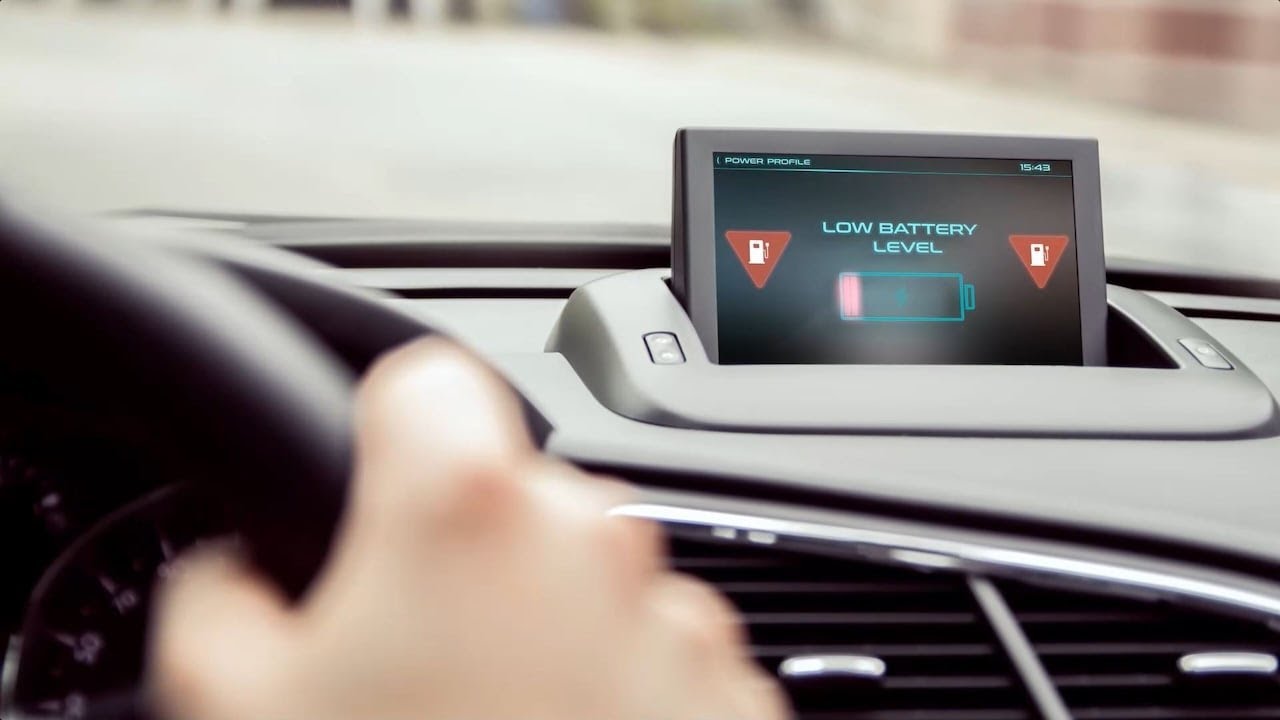
Electric vehicles (EVs) are rapidly becoming a cornerstone of sustainable transportation, offering a cleaner, often more efficient alternative to traditional gasoline cars. However, a common concern among prospective and current EV owners revolves around the longevity and performance of the battery pack – specifically, EV battery degradation. Just like the battery in your smartphone, an electric car battery’s capacity and ability to hold a charge will diminish over time. Understanding this process, its contributing factors, and how to mitigate it is crucial for maximizing your electric car battery lifespan and ensuring your EV remains a reliable investment.
What is EV Battery Degradation?
EV battery degradation refers to the irreversible loss of an electric vehicle’s battery capacity and power over time. This means that a battery that once offered a 300-mile range might, after several years, only provide 270 miles on a full charge. This isn’t a sudden failure but a gradual reduction in the battery’s ability to store and deliver energy, affecting overall range, acceleration, and potentially charging speeds. The primary mechanisms behind this degradation are chemical and physical changes within the battery cells, such as lithium plating, electrolyte decomposition, and electrode structural changes.
Factors Contributing to EV Battery Degradation
Several factors accelerate the natural aging process of an EV battery. Being aware of these can help you adopt practices that significantly slow down degradation.
1. Charging Habits
- Frequent DC Fast Charging (DCFC): While convenient, frequent use of high-power DC fast chargers can generate more heat and stress on the battery, potentially accelerating degradation compared to slower AC charging. Studies indicate that excessive DCFC can reduce battery lifespan by up to 20% if not managed properly.
- Charging to 100% and Discharging to 0%: Consistently charging your battery to its absolute maximum or letting it drain to near empty puts more strain on the cells. Maintaining a charge around 20-80% helps prolong lifespan.
2. Temperature Extremes
Batteries are sensitive to temperature. Both very hot and very cold conditions can negatively impact their health and performance. High temperatures can accelerate chemical reactions that lead to degradation, while extremely low temperatures can reduce efficiency and put stress on the battery during charging and discharging. Research from the Argonne National Laboratory indicates that continuous exposure to high temperatures can reduce lithium-ion battery capacity by as much as 25% over a few years.
3. High Mileage and Age
Simply put, the more you use your EV, the more charge cycles the battery undergoes, contributing to degradation. Over time, regardless of usage, the chemical components of the battery will naturally age. Most manufacturers offer warranties covering battery degradation for a certain number of years or miles, typically 8 years or 100,000 miles, guaranteeing a minimum remaining capacity (e.g., 70%).
4. Driving Style
Aggressive driving, with frequent rapid acceleration and hard braking, can put higher power demands on the battery, generating more heat and potentially contributing to degradation over the long term. While your car’s brakes and rotors are designed for robust performance, the impact on the battery is more subtle but present. According to automotive experts, aggressive driving can lead to a 15% reduction in battery lifespan over a vehicle’s life.
| Factor | Impact on Battery Lifespan | Mitigation Strategy |
|---|---|---|
| Frequent DC Fast Charging | Higher heat and stress on cells, associated with faster degradation. | Prioritize AC charging, limit DCFC to necessary trips. |
| Extreme Temperatures | Accelerates chemical degradation (heat), reduces efficiency (cold). | Park in shade, utilize cabin pre-conditioning, avoid prolonged exposure. |
| Consistent 0% or 100% Charge | Increases cell stress and accelerates degradation. | Maintain charge between 20-80% for daily use. |
| Aggressive Driving | Higher power demands, leading to increased heat generation. | Smooth acceleration and deceleration to reduce demand. |
Preventing EV Battery Degradation and Extending Lifespan
While some degradation is inevitable, adopting smart practices can significantly extend your electric car battery lifespan. Implementing the following strategies will help mitigate degradation:
1. Optimize Charging Habits
- The 20-80% Rule: For daily driving, aim to keep your battery charge between 20% and 80%. This range is generally considered the “sweet spot” for most lithium-ion batteries, reducing stress on the cells.
- Prioritize Slow Charging: Whenever possible, use Level 1 (standard wall outlet) or Level 2 (240V home charger) AC charging. These slower rates generate less heat and are gentler on the battery.
- Avoid Prolonged Full or Empty States: Don’t leave your EV sitting for extended periods with a full or near-empty charge. If storing for a long time, aim for around 50-60% charge.
2. Manage Temperature
- Park in the Shade: On hot days, parking in the shade can help keep your battery cooler.
- Utilize Pre-conditioning: Many EVs allow you to pre-condition the cabin while plugged in. This brings the battery to an optimal operating temperature using grid power, reducing strain when you start driving, especially in cold weather.
- Consider Battery Cooling Systems: Most modern EVs come with active liquid cooling systems to manage battery temperature effectively. Ensure these systems are functioning correctly, which is typically part of routine service.
3. Drive Smoothly
Adopting a smoother driving style, with gradual acceleration and braking, reduces sudden power demands on the battery and helps maintain optimal temperatures. This not only benefits your battery but also contributes to the longevity of components like your ceramic brake pads.
4. Keep Software Updated
EV manufacturers frequently release software updates that can include improvements to battery management systems (BMS). These updates can optimize charging algorithms, temperature control, and overall battery efficiency, contributing to a longer electric car battery lifespan. Staying current with your EV’s software is as crucial as understanding general maintenance practices, such as advanced brake fluid testing to ensure safety and performance.
5. Regular Check-ups and Monitoring
While EV batteries require less maintenance than internal combustion engines, regular vehicle check-ups can ensure all systems, including the battery cooling and management systems, are operating efficiently. Monitoring your EV’s reported range and capacity changes can also provide early indications of significant degradation.
Average EV Battery Lifespan
Modern EV batteries are designed to last. The average electric car battery lifespan is generally between 10 to 20 years, or 100,000 to 200,000 miles, before significant degradation (below 70-80% of original capacity) is observed. Many manufacturers provide robust warranties that guarantee a certain percentage of original battery capacity for a set period, offering peace of mind to owners. For instance, Tesla provides an 8-year or 100,000-150,000 mile warranty (depending on the model), guaranteeing 70% battery capacity retention. Other brands like Nissan and Chevrolet similarly offer warranties supporting long-term battery performance.
Protecting your EV, like any other significant investment, also involves understanding your insurance options. From basic coverage to specific endorsements, ensuring you have the right policy, as explored in articles like Beyond the Basics: Understanding Common Auto Insurance Endorsements and Riders, is part of comprehensive ownership.
Conclusion
Understanding EV battery degradation is essential for any electric vehicle owner. While some loss of capacity is a natural part of the battery’s life cycle, proactive measures regarding charging habits, temperature management, and driving style can significantly slow down this process and extend your electric car battery lifespan. By implementing these best practices, you can enjoy the full benefits of your EV for many years and miles to come, maintaining its performance and resale value. Remember, just as you’d learn about different types of brake fluid, investing a little time in understanding your EV’s battery can go a long way.