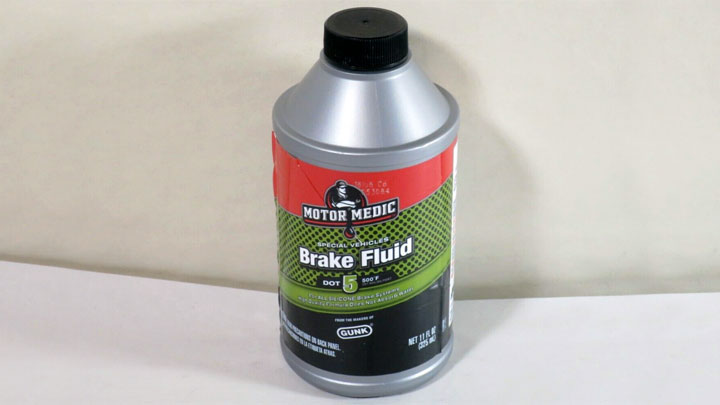
A brake fluid leak from the master cylinder poses a significant threat to vehicle safety, as it drastically reduces braking effectiveness and can lead to catastrophic brake failure. The master cylinder serves a crucial role in the hydraulic braking system, transforming the mechanical force applied to the brake pedal into hydraulic pressure necessary to engage the brakes. Recognizing symptoms such as a soft brake pedal, diminishing fluid levels, or visible fluid leaks is vital for prompt diagnosis and repair. Typically, these issues necessitate the replacement of the entire master cylinder.
What is a master cylinder and how does it function in a vehicle’s braking system?
The master cylinder is an indispensable hydraulic component that converts the physical force exerted on the brake pedal into hydraulic pressure, activating the vehicle’s brakes. Usually mounted on the firewall, it connects to a brake booster to reduce pedal effort. Inside, modern master cylinders contain two pistons operating independently in separate chambers, creating distinct hydraulic circuits for enhanced safety. This structure is often configured in a diagonally split system, controlling the front-left and rear-right brakes through one circuit, while the other manages the remaining brakes. When the driver presses the brake pedal, a push rod activates these pistons, displacing brake fluid from the reservoir through brake lines, ultimately engaging the brake calipers or wheel cylinders.
Why do master cylinders leak brake fluid?
Master cylinders primarily leak brake fluid due to the deterioration of seals and O-rings, leading to both external and internal leaks. External leaks are often evident as visible fluid seepage around the master cylinder body, particularly from the grommets bridging the reservoir and main cylinder or from seals near the brake booster. These leaks commonly arise from aged or degraded rubber components that lose elasticity over time. Internal leaks occur when seals within the master cylinder, such as the primary or secondary piston cups, fail to maintain adequate pressure. In these instances, fluid bypasses worn internal seals without escaping to the outside, complicating diagnosis. Furthermore, the hygroscopic nature of brake fluid exacerbates master cylinder wear, as absorbed moisture can cause internal corrosion and premature seal failure.
What are the key symptoms of a leaking master cylinder?
Detecting a leaking master cylinder requires vigilance in observing specific vehicle behaviors and fluid indicators. Key signs include a soft or spongy brake pedal, a persistently low brake fluid level, and the warning light for low brake fluid on the dashboard. A soft or spongy brake pedal that sinks gradually towards the floor indicates possible fluid loss or internal pressure bypass, allowing air into the system. A low brake fluid reservoir that requires constant topping up is another telling sign of a brake fluid leak within the hydraulic system. Additionally, visible stains of brake fluid beneath the vehicle, typically light yellow or brownish, can signal an external leak from the master cylinder or other brake system components. In severe cases, neglecting a leaking master cylinder can compromise braking performance, increasing stopping distances and jeopardizing safety.
How can you diagnose a brake fluid leak from the master cylinder?
Diagnosing a brake fluid leak originating from the master cylinder entails a methodical approach, starting with a visual inspection for fluid seepage and assessing the brake pedal feel. Begin by examining the master cylinder and its fluid reservoir for any signs of external fluid escape. Pay close attention to the junctions of the brake lines connected to the master cylinder for any trace of seepage. A brake pedal that sinks slowly while held but shows no external leaks suggests an internal issue where fluid bypasses worn seals without leaking out. To confirm this diagnosis, inspect the brake booster for contamination. Distinguishing a master cylinder leak from other potential leaks (e.g., calipers, wheel cylinders, brake lines) often hinges on the leak’s location and the feel of the brake pedal. If external leaks prove elusive, place newspaper under the vehicle, repeatedly press the brake pedal, and observe for fluid expulsion points. It is also crucial to check the brake lines for signs of rust or damage that could contribute to fluid loss.
| Symptom | Primary Indicator | Likely Source (including Master Cylinder) | Diagnostic Action |
|---|---|---|---|
| Brake pedal sinks to floor (no external leak) | Gradual pedal drop | Master Cylinder (internal seals) | Inspect brake booster for fluid, pressure test master cylinder. |
| Soft/spongy brake pedal | Excessive pedal travel | Master Cylinder (internal/external leak), air in lines, other hydraulic leaks | Check fluid level, bleed brakes, inspect all brake components. |
| Low brake fluid reservoir level | Requires frequent topping up | Master Cylinder, brake lines, calipers, wheel cylinders, ABS module | Visual inspection of entire brake system for fluid trails or puddles. |
| Fluid puddle under vehicle | Visible fluid on ground (clear to brown) | Master Cylinder (external leak), brake lines, calipers, wheel cylinders | Locate fluid origin point, inspect component directly above the puddle. |
What are the essential repair considerations for a leaking master cylinder?
Tackling a leaking master cylinder generally necessitates its complete replacement rather than a repair, followed by a thorough bleeding of the entire brake system. Although rebuild kits for master cylinders are available, professional repair is often best achieved through complete unit replacement due to the precision involved in maintaining proper seal integrity and bore condition. After installing a new master cylinder, it is vital to bleed the entire brake system to expel any air that may have infiltrated during the replacement. Neglecting this procedure may result in a soft brake pedal and compromised braking efficiency. Additionally, assessing the overall health of the brake system is crucial; if a master cylinder has failed due to contaminated fluid, other components may also be affected. Regular inspections and preventing brake fluid leaks are essential to prolong the lifespan of brake system components.
| Metric | Estimate / Recommendation | Notes |
|---|---|---|
| Replacement Cost (Parts & Labor) | $250 – $950+ | Varies by vehicle model, part complexity (OEM vs. aftermarket), and regional labor rates. Advanced systems or luxury cars may exceed $950. |
| Typical Lifespan | 100,000 miles (160,000 km) or 10-15 years | Dependent on usage, maintenance, and brake fluid quality. Can vary significantly. |
| Brake Fluid Flush Interval | Every 2-3 years | Crucial for preventing internal corrosion and prolonging component life. |
Is it safe to drive with a leaking master cylinder?
Driving with a leaking master cylinder is extremely hazardous, as it undermines the vehicle’s braking ability and significantly raises the risk of accidents. A loss of brake fluid pressure can lead to diminished braking effectiveness, a spongy brake pedal, or even complete brake failure. If a leak is suspected or confirmed, the vehicle should remain undriven until a professional repair is conducted.
How long does a master cylinder typically last, and what factors affect its lifespan?
A master cylinder generally lasts around 100,000 miles or more under optimal conditions, though lifespan can vary significantly based on usage, maintenance, and brake fluid quality. Factors such as contaminated brake fluid, which may lead to internal corrosion and seal failure, can notably shorten its operational life. It is advisable to adhere to regular brake fluid flushes every two to three years to mitigate these risks.
What type of fluid or fluid conditions lead to master cylinder issues?
Degraded or contaminated brake fluid is a primary contributor to master cylinder problems, causing internal corrosion and seal degradation. Since brake fluid is hygroscopic, it absorbs moisture over time, even within a sealed system. The presence of water decreases the fluid’s boiling point, potentially resulting in vapor lock during heavy braking. Moreover, this moisture can cause internal corrosion within the master cylinder bore and piston seals. Using incorrect or dirty brake fluid can also introduce foreign particles that damage the internal components, leading to further issues.