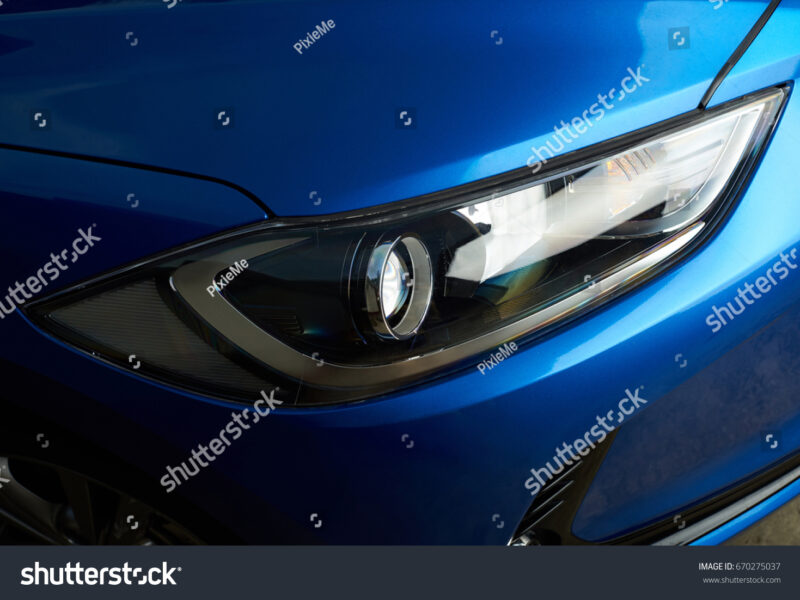
Automotive headlights are not just mere bulbs; they are critical safety components designed to illuminate the road ahead, ensuring visibility for drivers and making vehicles detectable to surrounding traffic. As technology has evolved, so too have headlights, branching into three distinct types: halogen, Xenon High-Intensity Discharge (HID), and Light-Emitting Diode (LED). Each of these technologies generates light in unique ways, affecting performance aspects such as brightness, energy efficiency, lifespan, and cost.
Understanding these differences is imperative for any vehicle owner seeking to optimize their driving experience. In this guide, we will explore the ins and outs of these headlight technologies, and provide insights into which options may best fit your needs and preferences.
What are Halogen Headlights and How Do They Function?
Halogen headlights are the traditional lighting technology found in many vehicles today. They function similarly to incandescent bulbs with notable improvements. These headlights feature a thin tungsten filament enclosed in a quartz bulb that contains a mixture of halogen gas, typically iodine or bromine. When an electrical current flows through the filament, it heats up to about 2,500° Celsius, causing it to emit a bright glow.
One of the key innovations with halogen technology is the halogen gas, which promotes a chemical reaction with vaporized tungsten. This process redeposits tungsten back onto the filament, prolonging the bulb’s lifespan and reducing the common blackening effect seen in standard incandescent bulbs. Halogen lights produce a warm yellowish-white beam, providing moderate brightness levels ranging from 800 to 1,600 lumens. Their operational lifespan typically falls between 500 and 1,000 hours, making them a generally cost-effective option, with replacement bulbs priced around $10 to $25 each.
What are Xenon (HID) Headlights and How Do They Operate?
Xenon, popularly known as High-Intensity Discharge (HID) headlights, exemplify an advanced lighting system that generates illumination through an electric arc rather than a filament. These headlights feature airtight bulbs filled with xenon gas under pressure, in addition to metal salts and other inert gases, complete with two electrodes. When activated, a high-voltage pulse ignites a spark between the electrodes, ionizing the xenon gas and creating a powerful electric arc.
This arc heats the gas and vaporizes the metal salts, producing a strikingly bright, bluish-white light. It’s important to note that Xenon headlights take a few seconds to reach their full brightness as the internal gases ionize. A ballast is crucial in HID systems, as it converts the vehicle’s 12-volt electrical current to the high voltage needed for ignition—sometimes soaring to 24,000 volts. With brightness levels between 3,000 and 5,000 lumens, Xenon lights significantly surpass halogen bulbs in illumination and longevity, shining brightly since their inception in the 1990s with BMW vehicles.
What are LED Headlights and What are Their Core Characteristics?
LED headlights represent the cutting edge of automotive lighting technology, utilizing Light-Emitting Diodes to create light. These diodes are semiconductor components that emit photons when an electrical current flows through them—a process called electroluminescence. This unique technology allows LEDs to convert electrical energy directly into light, which makes them highly energy-efficient compared to halogen and HID systems.
LED headlights deliver a crisp, bright white light and achieve peak brightness instantly, unlike their HID counterparts. They are recognized for their impressive longevity, often lasting between 25,000 and 50,000 hours, meaning they can potentially outlast the vehicle itself. While LEDs emit minimal UV or IR radiation, the heat generated during the light production necessitates efficient thermal management, utilizing heat sinks and cooling fans. Additionally, the compact size of LED components provides greater design flexibility, enabling automakers to craft distinctive lighting signatures. For those keen on enhancing their vehicles, explore our guide on How to Upgrade Your Car’s Headlights to LED.
Comparative Analysis: Halogen vs Xenon vs LED Headlights Performance and Value
To effectively evaluate headlight technologies, we must consider their performance across pivotal metrics—brightness, energy efficiency, lifespan, and initial cost—which collectively inform their overall value proposition.
Brightness and Visibility: In terms of light output and visibility, both Xenon and LED headlights significantly eclipse halogen options. Halogen bulbs typically yield 800-1,600 lumens, whereas Xenon and LED systems boast outputs between 3,000 to over 5,000 lumens. This augmented brightness leads to a broader field of vision and improved clarity, allowing drivers more reaction time to potential road hazards. Furthermore, Xenon lights are noted for their intense, wide-diffused beam, while LEDs provide a more uniform and focused illumination.
Energy Efficiency: Among these technologies, LED headlights are the most energy-efficient, consuming considerably less power than halogen or Xenon bulbs. Halogen bulbs rank as the least efficient, with much of their energy converted to heat rather than light. While Xenon lights show improved efficiency over halogens, they still draw more power, particularly during their warm-up phase. The reduced power consumption of LEDs not only benefits the vehicle’s electrical system but may also contribute to improved fuel economy. To better understand how your vehicle’s electrical system operates, consider reading articles like Decoding Car Battery Sizes: A Comprehensive Guide to BCI Group Numbers.
Lifespan and Durability: The longevity of headlights varies significantly across technologies. LED headlights excel with average lifespans often exceeding 25,000 to 50,000 hours, minimizing the need for frequent replacements. Xenon bulbs, while longer-lasting than halogens, typically last only 2,000 to 5,000 hours. Halogen bulbs have the shortest operational life, generally between 500 and 1,000 hours, necessitating more regular replacement. Additionally, the solid-state design of LEDs renders them more resilient to vibrations and environmental impact compared to filament-based halogen bulbs or gas-discharge HID bulbs.
Cost: When it comes to upfront expenses, halogen headlights are the most economical, with prices ranging from $10 to $25 per bulb. Conversely, Xenon bulbs carry a steeper initial cost—often comparable to LEDs—though they require more frequent replacements. LED headlights, while more expensive initially, averaging over $70 for individual bulbs, ultimately yield lower long-term ownership costs attributed to their lasting lifespan. It’s also worth considering how long-term component costs relate to battery health, as discussed in resources like Upgrading to a Lithium-Ion Starter Battery: Benefits and Considerations.
Below, a comparative table summarizes these attributes:
| Feature | Halogen | Xenon (HID) | LED |
|---|---|---|---|
| Light Source | Tungsten Filament & Halogen Gas | Electric Arc & Xenon Gas/Metal Salts | Light-Emitting Diodes (Semiconductors) |
| Brightness (Lumens) | 800 – 1,600 lm | 3,000 – 5,000 lm | 3,000 – 5,500+ lm |
| Color Temperature | Warm Yellowish (approx. 3000K) | Cool White/Bluish (4000K – 6000K) | Pure White to Bluish (customizable, 4500K – 8000K+) |
| Lifespan (Hours) | 500 – 1,000 hours | 2,000 – 5,000 hours | 25,000 – 50,000+ hours |
| Energy Efficiency | Low (high heat waste) | Moderate (more efficient than halogen) | High (minimal heat waste) |
| Initial Cost (Bulb) | $10 – $25 | $50 – $150+ | $70 – $300+ (per assembly) |
| Warm-up Time | Instant | Few seconds to full brightness | Instant |
| Beam Pattern | Moderate spread | Intense, wide-diffused | Focused, uniform, flexible design |
Which Headlight Technology Offers Optimal Performance and Value?
The choice of optimal headlight technology hinges on individual driver priorities, weighing initial investments against long-term performance and ownership costs. For unmatched performance, LED headlights generally excel due to their superior brightness, instantaneous illumination, and precise beam control—all crucial for enhancing nighttime visibility and driver response times. While Xenon (HID) headlights provide considerable brightness advantages over halogen options, they require a warm-up period and can cause glare if improperly installed.
In terms of value, the focus shifts from short-term costs to long-term ownership experience. Halogen headlights may be the least costly initially but require frequent replacements due to their shorter lifespan, ultimately inflating cumulative expenses and maintenance efforts. Xenon headlights strike a balance between brightness and longevity, albeit at a higher starting price and with the potential need for ballast replacements. In contrast, LED headlights, despite their higher upfront costs, tend to offer the best long-term value due to their impressive lifespans and energy efficiency—minimizing replacements and relieving the strain on a vehicle’s electrical system. Furthermore, modern LED systems provide advanced features and design flexibility, enhancing perceived value.
Ultimately, for drivers who prioritize maximum light output, innovative features, and minimal maintenance throughout the lifetime of their vehicle, LED headlights deliver an optimal blend of performance and long-lasting value. Conversely, for those seeking a noticeable upgrade from halogen without incurring the highest initial costs of LEDs, Xenon headlights present a viable, bright alternative.
Frequently Asked Questions (FAQs) about Automotive Headlights
Do LED headlights require more power than halogen?
No, LED headlights actually consume significantly less power than halogen bulbs while delivering comparable or superior light output. For example, LEDs might draw around 20 watts to produce 2,000 lumens, whereas a halogen bulb can require up to 125 watts for the same level of brightness. This energy efficiency alleviates stress on the vehicle’s electrical system.
Can I replace my halogen headlights with xenon or LED bulbs directly?
Directly replacing halogen bulbs with xenon or LED alternatives is often discouraged and may not be legal. Each headlight system requires specific reflector or projector housings and electrical configurations. A simple bulb swap may result in improper beam patterns or excessive glare for oncoming vehicles, and can even damage the vehicle’s electrical system. For a safe upgrade, it’s typically necessary to install the entire headlight assembly or utilize certified aftermarket conversion kits unique to your vehicle, ensuring compliance with regulations such as DOT (Department of Transportation) in the United States or ECE (Economic Commission of Europe) in other regions.
What is the typical lifespan difference between these headlight types?
There is a significant variation in lifespan among the three types of headlights. Halogen bulbs generally last between 500 to 1,000 hours, making them the shortest-lasting option. Xenon (HID) bulbs offer improved longevity, lasting around 2,000 to 5,000 hours. Meanwhile, LED headlights shine with the longest life, often exceeding 25,000 to 50,000 hours, which means they can potentially endure for the vehicle’s entire lifespan.