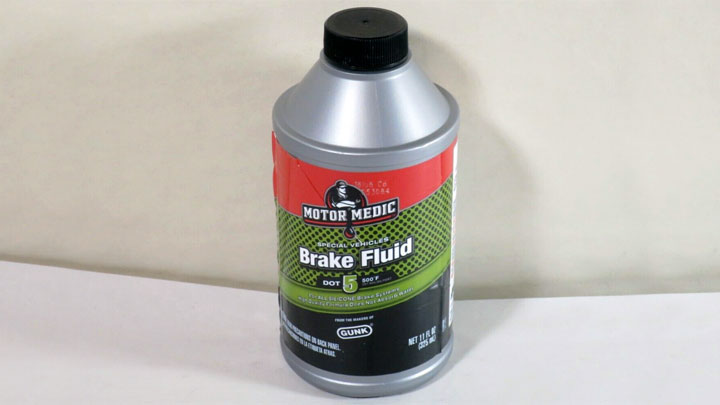
Selecting the right brake fluid is paramount for achieving consistent and reliable braking performance, especially in high-performance driving scenarios. Brake fluid serves as the hydraulic lifeblood of your braking system, transmitting force from the brake pedal to the calipers, enabling your vehicle to decelerate or come to a halt. In demanding conditions, where pressure and temperatures soar, this fluid must remain incompressible to ensure dependable braking.
What are the Essential Characteristics of Brake Fluid for High-Performance Vehicles?
When it comes to high-performance applications, the key characteristics of brake fluid center on thermal stability and resistance to compression. A high dry boiling point is crucial—this figure indicates the temperature at which new, uncontaminated fluid will boil and vaporize, potentially causing a spongy pedal feel or even complete brake failure due to vapor lock. Additionally, the wet boiling point is vital; it reflects how well the fluid can withstand boiling after absorbing moisture over time, a common challenge for glycol-based fluids. Maintaining lower viscosity is also beneficial, particularly for modern braking systems equipped with anti-lock braking (ABS) and electronic stability control (ESC), as it ensures rapid fluid flow for precision operation. Lastly, effective corrosion inhibition plays a crucial role in safeguarding the internal components of the brake system, thereby extending their lifespan and preserving system integrity.
How Do DOT Classifications Differentiate Brake Fluids for Performance Applications?
The Department of Transportation (DOT) classifies brake fluids based on their chemical composition and boiling points, fundamentally affecting their suitability for performance driving. DOT 3 and DOT 4 fluids are glycol-ether based, with DOT 4 exhibiting higher boiling points than DOT 3, making it ideal for spirited street driving and some entry-level track applications. For more demanding scenarios, DOT 5.1 also features a glycol-ether base but boasts remarkably higher dry and wet boiling points than DOT 4, rendering it particularly suitable for high-performance and racing conditions. In contrast, DOT 5, which is silicone-based, is distinguished by its non-hygroscopic nature; it doesn’t absorb moisture. However, its distinct compressibility and aeration properties make it less compatible with glycol-based systems, confining its use mostly to specialized military or classic car applications—not typically recommended for modern performance vehicles.
Comparing Glycol-Based (DOT 3, DOT 4, DOT 5.1) vs. Silicone-Based (DOT 5) Brake Fluids: Which is Superior for Track Use?
For track use, glycol-based fluids, particularly DOT 4 and DOT 5.1, generally outperform their silicone-based counterparts due to their superior characteristics under high-heat conditions and their compatibility with contemporary braking systems. Although DOT 5 does not absorb moisture, its higher compressibility may lead to a softer pedal feel, which is not desirable in performance driving. Furthermore, switching from glycol-based fluids to DOT 5 necessitates a complete system flush, as they are not miscible. This is compounded by the hygroscopic nature of DOT 3, 4, and 5.1, which demands regular fluid flushes to sustain peak performance, especially for cars regularly subjected to severe braking. Adhering to strict maintenance protocols, including frequent brake fluid replacement, is as crucial as monitoring other vehicle systems for long-term safety and reliability. For insights on how consistent care impacts vehicle components, explore How Short Drives Impact Your Car Battery’s Health and Longevity, with specifics differing for braking systems.
Here is a comparative table summarizing key attributes:
| Characteristic | DOT 3 | DOT 4 | DOT 5.1 | DOT 5 |
|---|---|---|---|---|
| Chemical Base | Glycol-Ether | Glycol-Ether | Glycol-Ether | Silicone |
| Minimum Dry Boiling Point | 205°C (401°F) | 230°C (446°F) | 260°C (500°F) | 260°C (500°F) |
| Minimum Wet Boiling Point | 140°C (284°F) | 155°C (311°F) | 180°C (356°F) | 180°C (356°F) |
| Hygroscopic | Yes | Yes | Yes | No |
| Compatibility with ABS/ESP | Good | Excellent | Excellent | Fair |
| Recommended Use | Standard Road Cars | Performance Road, Light Track | High-Performance, Track, Racing | Specific Niche/Classic |
What Factors Influence Brake Fluid Degradation and When Should It Be Replaced for High-Performance Cars?
Brake fluid degradation primarily results from its hygroscopic nature, the level of heat exposure, and the operating conditions. Glycol-based fluids absorb moisture from the atmosphere through brake hoses and seals, gradually lowering their boiling point. The repeated high-temperature cycles typical of aggressive driving accelerate this degradation and can compromise the fluid’s chemical structure. For high-performance vehicles, routine brake fluid replacement is advised. Manufacturers and performance specialists typically recommend flushing brake fluid annually, or even more frequently— such as after several track days— to ensure optimal thermal stability and prevent vapor lock. Promptly replacing degraded fluid helps maintain a firm brake pedal feel and avoids harmful damage to critical brake components. Regular attention to fluid maintenance is essential, akin to understanding the importance of Tips for Faster and More Efficient Car Battery Charging to promote overall system health.
How Does Choosing the Correct Brake Fluid Impact Overall Braking System Performance and Safety?
The selection of the appropriate brake fluid has a direct correlation to the performance and safety of a vehicle’s braking system— particularly under high-stress conditions. The right fluid guarantees a steady and firm brake pedal, leading to predictable and reliable stopping power. Using inadequate fluid, characterized by low boiling points or high moisture content, can result in a soft or spongy pedal feel or even complete brake fade due to vapor lock, significantly jeopardizing safety. Furthermore, compatible brake fluid mitigates corrosion and wear in critical components like the master cylinder, calipers, and ABS modulator, thereby extending the lifespan of the entire braking system.
Can I mix different DOT brake fluids?
No, it is not advisable to mix different DOT brake fluids, especially not DOT 5 (silicone-based) with any glycol-based fluids (DOT 3, DOT 4, DOT 5.1). Mixing incompatible fluids can lead to chemical reactions, diminished performance, seal degradation, and potentially catastrophic brake failure. While DOT 3, DOT 4, and DOT 5.1 are all glycol-based and theoretically miscible, it is always best to use the same type and brand of fluid to maintain specified performance characteristics and prevent any potential issues.
How often should I flush my brake fluid for high-performance driving?
For high-performance driving, it is recommended to flush your brake fluid more frequently compared to normal street use. Many performance enthusiasts and track drivers choose to replace their brake fluid every 6-12 months or even after a few intensive track days, depending on the fluid type and driving conditions. Regular testing with a brake fluid tester can also help determine when a flush is necessary based on moisture content.
Is DOT 5.1 always the best choice for track cars?
While DOT 5.1 offers impressive dry and wet boiling points, making it a strong candidate for track cars, the “best” choice ultimately depends on specific vehicle requirements, budget, and driving intensity. High-performance DOT 4 fluids can also provide comparable boiling points to certain DOT 5.1 fluids. Additionally, racing-specific fluids often exceed DOT 5.1 specifications and are available for extreme conditions. Always consult your vehicle manufacturer’s recommendations and consider the specific demands of your high-performance driving before making a selection.