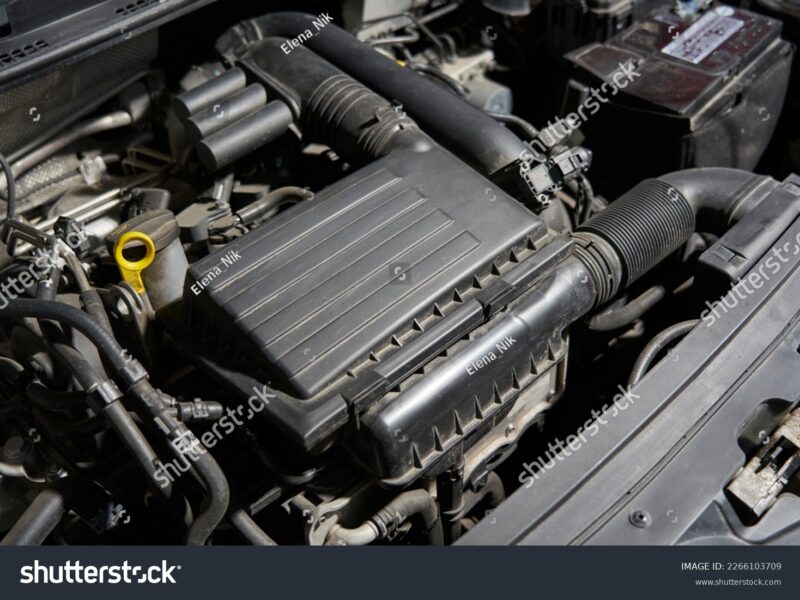
A clean engine air filter is paramount for protecting your vehicle’s internal combustion engine, acting as the first line of defense against airborne contaminants. Its primary role is to meticulously filter the air drawn into the engine, trapping abrasive particles like dust, dirt, and debris before they can reach critical internal components.
Regularly maintaining a clean air filter is not only vital for extending engine life, but also enhances overall vehicle efficiency. A dirty filter leads to reduced fuel efficiency and compromised engine performance, thus accelerating deterioration. This can ultimately result in costly repairs and a significantly shortened engine lifespan.
What is an Engine Air Filter and How Does It Protect Engine Components?
An engine air filter, also known as an intake filter, is typically constructed from pleated materials such as paper, cotton gauze, or synthetic fibers. Positioned within the air intake pathway of an internal combustion engine, its porous structure effectively blocks solid particles while allowing for efficient airflow. This filtration process is crucial to prevent abrasive contaminants like dust, dirt, and pollen from entering and damaging delicate internal engine parts.
The protection extends to piston rings, cylinder walls, bearings, and valve seats. Without adequate filtration, these abrasives cause substantial wear, reducing the engine’s overall durability and shortening its operational life. The effectiveness of this protection is directly tied to the filter’s efficiency and capacity.
What Types and Materials of Air Filters Exist, and What Are Their Technical Specifications?
Engine air filters are categorized by their shape and filtration media, each offering distinct characteristics in terms of efficiency and performance. Understanding these specifications is key to selecting the right filter for optimal engine protection.
Filter Types by Shape:
- Panel Filters: These are the most common type found in modern vehicles, often featuring flexible or rigid frames for a secure seal.
- Cone Filters: Typically used in high-performance applications and some off-road vehicles, these offer a compact design with a large surface area that can significantly enhance airflow.
- Round or Radial Filters: Designed for optimal airflow in confined spaces, frequently seen in older vehicles or motorcycles.
- Cylindrical Filters: Similar to round filters but with greater depth, providing an extended filtration surface area that can improve filtration efficiency.
Filtration Media and Their Characteristics:
| Filter Material | Key Characteristics | Common Applications | Maintenance Considerations |
|---|---|---|---|
| Paper (Cellulose) | Most common, affordable, good filtration of dust and debris. Dense fibers for good flow. | General-use vehicles, OEM filters. | Single-use, replacement typically every 15,000-30,000 km. |
| Cotton Gauze (Oiled) | Durable, washable, treated with oils to trap more particles without reducing flow. | High-performance aftermarket. | Washable, reusable (up to 150,000 miles with cleaning/oiling every 5,000 miles). Initial cost is about double that of paper filters. |
| Foam (Polyurethane) | Similar to oiled cotton, good filtration capacity in dirty environments. | Off-road vehicles, motorcycles, small engines. | Washable and reusable, typically requiring replacement after several cleanings. |
| Synthetics | High quality, balanced airflow and efficiency. Resistant to moisture, heat, and chemicals. | Premium filters (e.g., FRAM Ultra Premium Air™), typically last longer than alternatives. | Extended service life, replacement based on manufacturer recommendations. |
| Wire Mesh | Exceptional durability, compact design, effective filtration. | Demanding environments, pre-filter applications. | Requires periodic cleaning, high resistance to rupture. |
What is the Filtration Efficiency of Engine Air Filters?
Filtration efficiency is a critical factor in engine protection. High-efficiency filters are designed to filter dust and particles from intake air with efficiency ratings exceeding 98%. Specialized filters can achieve even higher ratings of +99.95%, ensuring maximum protection against contaminants.
How Does a Clean Air Filter Extend Engine Life?
The engine air filter serves as the primary guardian of the engine. By allowing only the purest air to participate in the combustion process, it protects vital components from premature wear.
Why Does It Prevent Abrasive Wear?
A clean filter intercepts abrasive particles like dust and dirt. If these particles bypass the filter, they can act as abrasives that cause substantial wear on crucial engine components. This prevention is fundamental for maintaining the overall longevity of the engine and safeguarding against expensive repairs.
How Does It Maintain Optimal Combustion?
The engine requires a precise air-to-fuel ratio to perform efficiently. A clean air filter guarantees a consistent flow of uncontaminated air, which optimizes this mixture. This translates into increased power output and improved fuel efficiency. A blocked filter, on the other hand, forces the engine to work harder, consuming more fuel and lowering efficiency.
What Protection Does It Offer to Sensors?
Unrestricted airflow is crucial for accurate sensor functioning, particularly the Mass Air Flow (MAF) sensor, which informs the Engine Control Unit (ECU) to optimize fuel injection. A clean air filter indirectly supports sensor accuracy, leading to better combustion and reduced emissions.
Does It Impact Oil Life?
By keeping contaminants out, a clean air filter helps maintain cleaner engine oil for longer periods. Less contaminated oil prolongs its lifespan and lessens the frequency of oil changes, further supporting the engine’s health and durability.
How Does a Contaminated Air Filter Directly Impact Engine Life?
A dirty air filter can significantly diminish engine performance and longevity, leading the engine to operate under suboptimal conditions.
How Does It Affect Fuel Efficiency and Power?
An obstructed filter restricts airflow to the engine. This requires the engine to exert more effort, leading to fuel efficiency losses of up to 10%. Engine power may decrease by 11%, affecting acceleration and torque, which can result in a sluggish driving experience.
Does It Cause Increased Emissions and Pollution?
A restricted airflow disrupts the air-to-fuel ratio and causes incomplete combustion. This situation leads to fouled spark plugs, engine misfires, increased soot buildup, and visible emissions like black smoke. Such disruptions escalate environmental pollution.
What Are the Potential Engine Damages and the Risk of Overheating?
If the filter is inadequate, contaminants can enter the engine and lead to accelerated internal wear. Critical components may be damaged and the risk of overheating increases due to poor air-fuel mixture. In heavy machinery, a missing or filthy filter can halve engine life, reducing it from 20,000 to 10,000 hours.
Is it Advisable to Clean Engine Air Filters with Compressed Air?
Cleaning an engine air filter with compressed air, particularly paper-type filters, is discouraged due to the irreversible damage it can cause to the filter media.
Why Does Filter Media Degradation Occur, and What Are the Consequences?
The high pressure of compressed air can damage the fibers of a paper engine air filter, creating micro-fractures that severely compromise the filter’s functionality. Instead of cleaning, compressed air destroys the filter’s necessary structure.
With its structural integrity compromised, fine particles can enter the engine, causing wear on essential components. This exacerbation leads to a loss of compression, increased oil consumption, and can drastically reduce engine efficiency and service life.
What Are the Measurable Impacts of a Clogged Air Filter on Vehicle Performance and Efficiency?
A clogged air filter adversely affects engine longevity, performance, and fuel efficiency. Restricted airflow reduces engine power and torque, which causes the vehicle to respond slower and feel less agile. A “rich” air-fuel mixture necessitates more fuel for less power, increasing operating costs. Furthermore, incomplete combustion raises harmful emissions, potentially damaging costly engine components.
The following table illustrates the comparative effects of clean versus obstructed air filters:
| Metric | Clean Air Filter | Obstructed Air Filter |
|---|---|---|
| Airflow | Optimal, unrestricted | Restricted, reduced volume |
| Fuel Economy | Optimized, higher MPG | Decreased, lower MPG (up to 10% reduction) |
| Engine Performance | Maximum power and torque | Reduced power and acceleration (up to 11% power loss) |
| Engine Wear | Minimal, components protected | Increased abrasive wear, impacting engine life |
| Emissions | Low, compliance with regulations | High, increased pollution (up to 15% more) |
| MAF Sensor Function | Accurate air/fuel mixture calculation | Inaccurate data, rich mixture, compromises engine longevity |
When Should the Engine Air Filter Be Replaced to Prevent Damage?
Replacing the engine air filter at recommended intervals is crucial for protecting your investment and preserving engine longevity.
What Are the Recommended Replacement Intervals?
Typically, it is advised to change the air filter every 15,000 to 30,000 kilometers (12,000 to 30,000 miles) or at least once per year, whichever comes first. Under challenging driving conditions, such as driving on dusty roads or in heavy urban traffic, replacements may be needed as frequently as every 10,000 kilometers (6,000 to 10,000 miles).
Reusable cotton gauze filters require cleaning every 5,000 miles instead of full replacement. Always review your vehicle’s owner manual for specific manufacturer recommendations on air filter maintenance.
What Are the Signs of a Dirty Air Filter?
- Increased fuel consumption.
- Darker emissions or black smoke from the exhaust.
- Loss of engine power or sluggish acceleration.
- Difficulty starting the engine or rough idling.
- Illumination of the “Check Engine” light.
- Unusual engine noises.
- The filter appears visibly dirty or doesn’t allow light to pass through when held up to a light source.
- Abnormal engine vibrations or an unstable idle.
Is Replacing an Engine Air Filter a Difficult DIY Task?
For most vehicles, replacing an engine air filter is a straightforward “Do It Yourself” (DIY) task that requires minimal tools and little mechanical experience. The air filter housing is typically easily accessible under the hood, making it one of the simplest maintenance procedures a car owner can undertake to promote engine longevity.
Engine Air Filter Market Outlook: Trends and Leading Brands
The global automotive engine air filter market is experiencing significant growth driven by environmental consciousness, emission regulations, and advancements in technology.
What is the Global Market Size and Projection?
The global automotive air filter market is projected to exceed USD 9.2 billion in 2024, with estimates suggesting a value of approximately USD 5.37 billion in 2023 and a forecasted growth to USD 6.42 billion by 2032. Furthermore, various forecasts predict this market will grow at a Compound Annual Growth Rate (CAGR) of 2.00-5.5% through the next decade. Notably, the Asia-Pacific region is anticipated to dominate, accounting for over 55.9% of the market share by 2025, fueled by robust automotive manufacturing and increasing vehicle sales in countries such as China, India, and Japan.
What is the Difference Between OEM and Aftermarket Filters?
| Aspect | OEM (Original Equipment Manufacturer) Filters | Aftermarket Filters |
|---|---|---|
| Design and Fit | Designed by the original vehicle manufacturer, ensuring a perfect fit and quality. | Produced by various companies whose fit may vary. |
| Quality and Performance | Guaranteed quality that meets or exceeds manufacturer standards. | Quality varies; while some high-quality aftermarket filters match OEM standards, others may not. |
| Vehicle Warranty | Maintains vehicle warranty coverage. | May void warranty if not meeting manufacturer specifications. |
| Cost | Generally more expensive. | Can be more economical and budget-friendly. |
| Availability | Limited availability primarily through manufacturer channels. | Widely available, including high-performance options. |
What Are the Leading Brands in the Air Filter Market?
This sector boasts numerous brands recognized for quality and innovation, including:
- MANN-FILTER
- BOSCH
- K&N Filters (renowned for high airflow and performance)
- FRAM (including FRAM Group and FRAM Ultra Premium Air™)
- Donaldson Company Inc.
- Cummins Filtration (Fleetguard)
- FEBI BILSTEIN
- VALEO
- HENGST FILTER
- BLUE PRINT
- PURFLUX
- MAHLE ORIGINAL
- RIDEX
- PIPERCROSS
- CHAMPION
- MEYLE
- STARK
- FILTRON
- UFI
- Gonher
- Motorcraft (for Ford/Lincoln)
- WIX Filters
- Master-Sport
- JPN
- Kamoka
- Vaico
- Denckermann
- Japanparts
- Ashika
- Ridex Plus
- Automega
- Kraft
- Mapco
- Japko
- Quinton Hazell
- HifloFiltro
- Magneti Marelli
- Topran
- Herth+Buss Jakoparts
- Nipparts
- Alco Filter
- Kavo Parts
- Clean Filter
- Profit
- JC Premium
- Muller Filter
What Are the Current Market Trends and Pricing?
- Filter Costs: Paper filters are the most economical, typically ranging from $10 to $25. Reusable oiled cotton filters, like those from K&N, may have a higher initial cost (e.g., $44.19) but offer long-term savings due to their washable and reusable nature.
- Emission Regulations: Stricter global regulations are driving demand for higher-efficiency filters to reduce pollutants.
- Consumer Awareness: Growing concern for cabin air quality and engine health fuels demand for advanced filtration solutions.
- Technological Advancements: Development of HEPA (High-Efficiency Particulate Air) filters, advanced synthetic media, electrostatic filters, and multi-layer designs.
- “Smart Filters”: Integration of sensors for real-time monitoring of filter conditions, contaminant levels, and flow rates, enabling predictive maintenance and performance optimization.
- Electrification: While Electric Vehicles (EVs) do not require traditional engine air filters, they necessitate filters for cabin air quality, battery thermal management, and power electronics cooling, creating new market segments.
Frequently Asked Questions About Air Filter Cleaning and Replacement
How Often Should the Engine Air Filter Be Inspected?
It is recommended to visually inspect the engine air filter every 8,000 to 12,000 kilometers (5,000 to 7,500 miles), or during every oil change. This proactive check helps identify premature clogging and protects engine life before the manufacturer’s recommended replacement interval.
Can a Dirty Air Filter Affect a Car’s Warranty?
Yes, neglecting routine maintenance, including replacing the engine air filter, could void parts of your vehicle’s warranty. This is particularly true if engine damage is attributed to a lack of maintenance. Vehicle manufacturers specify maintenance schedules that must be followed to keep the warranty valid and ensure engine longevity.
Is Cleaning the Engine Air Filter with Compressed Air a Recommended Maintenance Task?
No, for the vast majority of engine air filters made with paper media, cleaning with compressed air is strongly discouraged as it can damage the fine fibers, creating openings for harmful particles to pass through. This could lead to increased engine wear and drastically reduce its service life. For these filter types, replacement with a new, quality filter is advised to ensure maximum engine protection.
Is Replacing an Engine Air Filter a Difficult DIY Task?
For most vehicles, replacing an engine air filter is a simple “Do It Yourself” (DIY) task that requires minimal tools and little mechanical experience. The air filter housing is typically easily accessible under the hood, making it one of the simplest maintenance procedures a car owner can perform to enhance engine longevity.