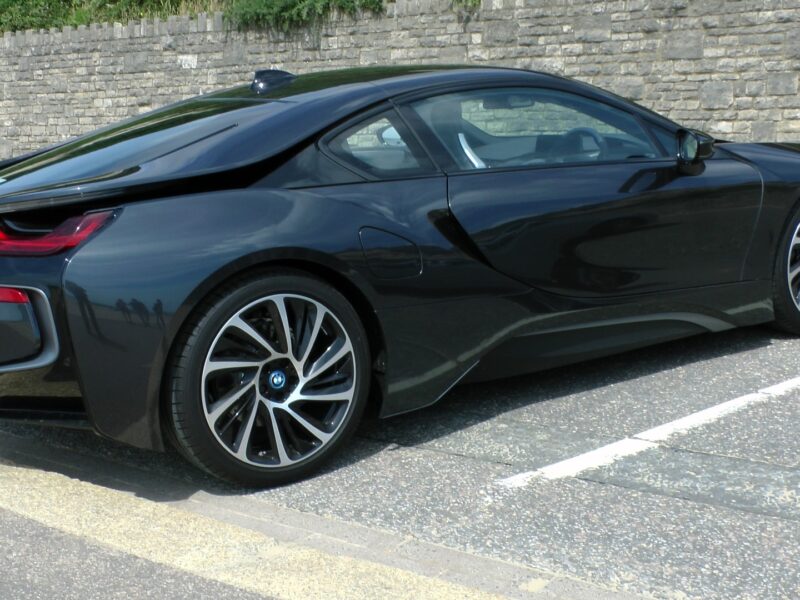
Car bumper safety regulations play a crucial role in safeguarding both vehicle integrity and your wallet. These comprehensive guidelines ensure that vehicle bumpers are designed to minimize damage during low-speed collisions, ultimately reducing repair expenses while preserving the vehicle’s overall functionality. With detailed criteria for impact resistance, energy absorption, and height specifications, these regulations are vital for consumers evaluating vehicle safety and potential insurance implications.
What are Car Bumper Safety Regulations?
Car bumper safety regulations outline the necessary performance standards for vehicle bumpers during minor collisions. The core objective of these guidelines is to mitigate physical damage to passenger vehicles from low-speed impacts. Bumpers, originally aesthetic features, have evolved into essential safety components, specifically engineered to absorb crash energy and protect vital parts, such as engines, radiators, and lighting systems.
What Organizations Govern Bumper Safety Standards?
Numerous organizations worldwide set and influence bumper safety standards, each employing unique mandates and testing methodologies. Key players include the National Highway Traffic Safety Administration (NHTSA) in the United States, the Economic Commission for Europe (ECE) for European markets, and the Insurance Institute for Highway Safety (IIHS), which conducts independent testing and ratings.
What is the Federal Motor Vehicle Safety Standard (FMVSS) 215 and 49 CFR Part 581?
The NHTSA enforces federal bumper standards within 49 Code of Federal Regulations (CFR) Part 581, a standard that replaced FMVSS 215 in 1979. This regulation mandates specific impact resistance requirements for passenger vehicles during low-speed front and rear collisions. By doing so, it aims to minimize economic losses from collision damage. Under these regulations, vehicles must withstand specific barrier impacts without compromising safety-related components. For instance, passenger car bumpers must prevent damage at barrier impact speeds of 2.5 mph for full width and 1.5 mph for corners while being situated between 16 and 20 inches above ground. However, these regulations often exclude multipurpose passenger vehicles (MPVs), such as SUVs, to maintain their utility.
How Does the Insurance Institute for Highway Safety (IIHS) Test Bumpers?
The IIHS, a non-profit organization, conducts its own rigorous bumper crash tests to provide invaluable consumer information and motivate manufacturers to enhance vehicle safety. Initiated around 2006, these tests evaluate bumper performance in preventing damage from low-speed impacts. They consist of front and rear full-overlap impacts at 10 km/h (approximately 6 mph) and corner impacts at 5 km/h (approximately 3 mph) into a barrier resembling a bumper. Damage assessments follow each test, where bumper assemblies are dismantled to detect hidden damage. Vehicles are rated as good, acceptable, marginal, or poor based on weighted test outcomes, spotlighting the escalating costs associated with low-speed bumper impacts, especially when the bumpers of cars and SUVs are misaligned.
What are ECE R42 and RCAR Bumper Standards?
ECE R42 provides standard provisions for the approval of vehicle bumpers intended for low-speed collisions in European markets. It mandates that vehicles must withstand impacts without significant damage that would hinder their operation. Tests focus on frontal impacts at 4 km/h and corner impacts at 2.5 km/h, ensuring key components like lights, doors, and fuel systems remain functional. The Research Council for Automobile Repairs (RCAR) aims to minimize damage in low-speed crashes, influencing vehicle design through rigorous bumper tests. Their protocols, updated in 2006 with lower speed assessments added in 2010, advocate for effective bumper systems featuring energy-absorbing designs to shield vehicles from damage in typical low-speed scenarios.
How Do Bumper Standards Impact Vehicle Design and Repair Costs?
Bumper standards considerably shape vehicle design and repair expenses. Manufacturers create bumpers using specific energy-absorbing materials like foam, plastic, steel, or aluminum to dissipate kinetic energy during collisions and shield structural components. Key design features often include crumple zones—areas engineered to deform purposefully during impacts, which help absorb crash forces. As such, a bumper’s capability in low-speed collisions can significantly influence potential repair costs. An efficiently designed bumper can mitigate damage to expensive components like headlights, ultimately reducing the likelihood of hefty repair bills. In contrast, poorly aligned bumpers, especially between various vehicle types, can result in substantial damage, driving repair costs up even in minor accidents.
| Standard/Organization | Primary Focus | Impact Speed (Examples) | Vehicles Covered | Impact on Repair Costs |
|---|---|---|---|---|
| NHTSA (49 CFR Part 581) | Reduce physical damage to vehicle ends | 2.5 mph barrier (front/rear), 1.5 mph corner | Passenger cars (excluding MPVs/SUVs) | Mandates minimal damage to critical systems, aiming for lower low-speed repair costs. |
| IIHS Bumper Tests | Assess real-world low-speed crash damage and repair costs | 10 km/h (full-overlap), 5 km/h (corner) | Various passenger vehicle segments | Highlights actual repair expenses, influencing insurance premiums and consumer choices. |
| ECE R42 | Ensure functionality of vehicle components after low-speed impacts | 4 km/h (frontal), 2.5 km/h (corner) | Passenger vehicles | Aims to prevent severe damage to operational systems, indirectly lowering repair costs. |
| RCAR Bumper Test | Promote effective bumper systems for damage limitation and repairability | 5 km/h (bumper test), 15 km/h (structural test) | Passenger cars | Encourages designs that reduce damage and repair expense in common low-speed scenarios. |
What Do Bumper Safety Regulations Mean for You as a Consumer?
For consumers, understanding bumper safety regulations is crucial as they have direct implications for vehicle selection, insurance costs, and nine overall ownership experience. While all passenger cars in the U.S. are required to meet federal bumper standards, many SUVs and trucks do not, potentially leading to significantly higher repair bills in minor collisions. For example, a seemingly innocuous parking lot bump on an exempt SUV could escalate into thousands of dollars in repairs due to unprotected vital components behind the bumper.
Bumper performance has a direct correlation with insurance premiums; vehicles with poor ratings from the IIHS often face increased repair costs, leading to heightened insurance rates. Therefore, when contemplating a vehicle purchase, reviewing its bumper crash test ratings from reputable organizations can provide insights into its damage susceptibility and the subsequent repair expenses. Moreover, being aware of potential issues, such as air in your brake lines, is equally critical, just as the integrity of your bumper impacts overall vehicle safety and long-term maintenance costs. Properly attending to bumper damage is vital for maintaining structural integrity and ensuring integrated safety systems function properly; neglecting minor damage can compromise overall safety and lead to more costly repairs or insurance repercussions in future accidents. Understanding what to know about your car battery warranty before you buy can also provide essential insights into maintenance and reliability, extending beyond immediate collision concerns.
Are all car bumpers designed to the same standard?
No, not all car bumpers are designed to the same standard. Federal regulations in the U.S., specifically 49 CFR Part 581, apply primarily to passenger cars, establishing minimum requirements for low-speed impact resistance. However, multipurpose passenger vehicles, like SUVs and pickup trucks, typically fall outside these federal standards. International regulations, such as ECE R42 in Europe, further dictate bumper performance, but variations exist across regulatory bodies and vehicle classifications. Independent testing by organizations like the IIHS exposes performance disparities, even among vehicles that fulfill minimum legal benchmarks.
Do bumper ratings affect my car insurance?
Indeed, bumper ratings can influence your car insurance costs. Vehicles that demonstrate poor crash performance in IIHS bumper tests often result in higher repair expenses during low-speed collisions. Insurance companies analyze claims data and the likelihood of damage when calculating premiums; thus, a vehicle with considerable potential for costly bumper repairs may lead to increased insurance rates. This reality incentivizes manufacturers to produce bumpers that are more resistant to damage, subsequently helping consumers save on both insurance and repair costs.
Can aftermarket bumpers meet safety standards?
Aftermarket bumpers may meet safety standards, but this compliance is not guaranteed. Vehicle manufacturers self-certify their products against federal bumper standards, while aftermarket components might not undergo the same rigorous testing or verification seen with original equipment manufacturer (OEM) bumpers. Consumers should ensure that any aftermarket bumper they consider explicitly claims adherence to pertinent safety regulations, as improper design or installation could compromise vehicle safety performance during a collision.