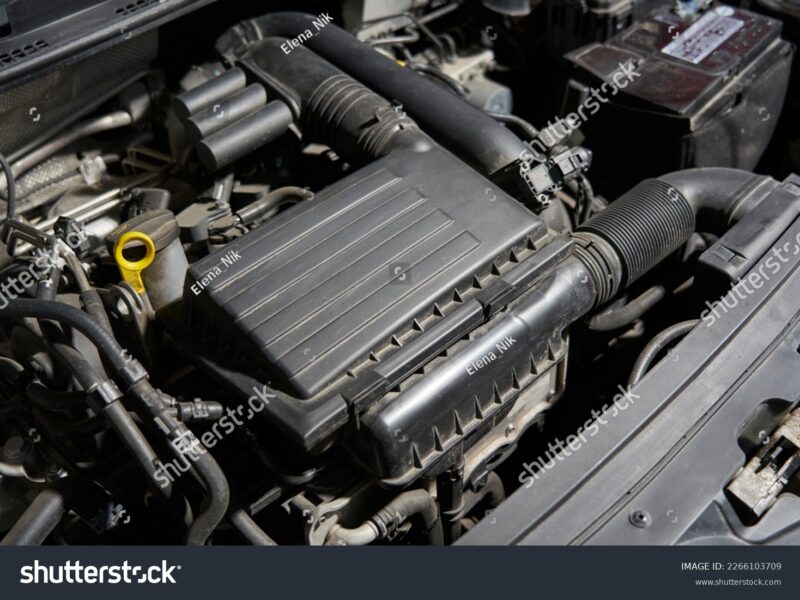
A performance air filter serves as a vital aftermarket automotive component, engineered to revolutionize your internal combustion engine’s air intake system. By providing a less restrictive pathway for air to flow into the engine’s combustion chambers, it enhances performance at its core. This transformation not only maximizes airflow but also protects against harmful particulates, distinguishing it from standard original equipment manufacturer (OEM) filters that emphasize maximum filtration efficiency over airflow capacity.
What Constitutes a Performance Air Filter?
The design and construction of a performance air filter set it apart from conventional paper-based options. Typically crafted with materials such as oiled cotton gauze, synthetic dry media, or foam, these filters employ a less restrictive pleat pattern or cone shape to optimize both airflow and filtration efficiency. Unlike disposable OEM filters, many performance air filters are washable and reusable, extending their life significantly. Installation is straightforward—simply replace the stock air filter in the existing airbox or integrate it into a complete cold air intake system, as explored in our Easy Steps: Your Complete Air Filter Installation Guide.
How Do Performance Air Filters Enhance Engine Output?
Performance air filters amplify engine output by significantly increasing the volume and velocity of cooler, denser air entering the engine. An internal combustion engine operates best with a finely tuned air-fuel ratio. As airflow increases, the engine’s electronic control unit (ECU) can inject more fuel, resulting in a robust combustion event. This rich air-fuel mixture translates into noticeable gains in horsepower and torque, especially at elevated RPMs. By reducing the restriction, the engine expends less effort to draw in air, enhancing overall efficiency.
What are the Key Benefits of Installing a Performance Air Filter?
For vehicle owners eager to unleash their engine’s potential, installing a performance air filter comes with a myriad of benefits.
Increased Horsepower and Torque
One of the most significant advantages is the direct boost in engine horsepower and torque. The decreased airflow restriction allows the engine to intake a greater volume of oxygen, essential for a more effective combustion cycle. Dyno tests commonly reveal gains between 3% and 10% in horsepower and torque, depending on the vehicle model and filter design. This enhancement translates into swifter acceleration and improved responsiveness on the road.
Improved Fuel Economy
Although often a topic of debate, performance air filters can indeed lead to enhanced fuel economy in specific driving conditions. A less restricted air intake enables the engine to function more efficiently, requiring less effort to pull in air. Consequently, this reduced workload can result in slight improvements in miles per gallon (MPG). However, aggressive driving that takes advantage of newfound power may overshadow any potential fuel efficiency gains.
Enhanced Engine Sound
Many car enthusiasts notice a remarkable improvement in engine sound following the installation of a performance air filter. The less restrictive design permits the engine’s natural induction sound to resonate more, offering a deeper, more aggressive tone—especially noticeable during acceleration. This auditory enhancement, while subjective, is a significant factor for many drivers upgrading their vehicle’s intake system.
Longer Service Life and Reusability
Most performance air filters are designed with longevity and reusability in mind, unlike disposable OEM filters. Constructed from durable materials like cotton gauze or synthetic fibers, these filters can be washed, re-oiled (when applicable), and reused over the vehicle’s lifespan. This characteristic not only reduces waste but also offers long-term cost savings compared to the continual purchase of new disposable filters, aligning with a smart cost-benefit analysis regarding filter investments.
Better Engine Protection
Despite prioritizing airflow, high-quality performance air filters still deliver robust engine protection against harmful contaminants. Advanced filtration media are meticulously engineered to capture particulate matter, such as dust and debris, thereby preventing them from infiltrating the combustion chambers and causing premature wear. Manufacturers achieve this balance through innovative designs and specific media densities, ensuring that enhanced airflow does not compromise engine longevity. Performance air filters typically undergo rigorous testing to meet high industry standards for filtration efficiency.
Comparison: Performance Air Filters vs. OEM Air Filters
Understanding the essential differences between performance and OEM air filters is crucial for making an informed decision regarding engine upgrades.
| Feature | Performance Air Filter | OEM Air Filter (Standard) |
|---|---|---|
| Primary Goal | Maximize Airflow, Enhance Performance | Maximize Filtration, Protect Engine |
| Material | Oiled Cotton Gauze, Synthetic Dry, Foam | Paper, Cellulose Fibers |
| Airflow Restriction | Lower | Higher |
| Filtration Efficiency | Effective (balanced with airflow) | Very High |
| Service Life | Long (Washable, Reusable) | Short (Disposable) |
| Cost (Initial) | Higher | Lower |
| Maintenance | Periodic Cleaning/Re-oiling | Periodic Replacement |
What Considerations Should You Make Before Upgrading to a Performance Air Filter?
Before embarking on the journey to install a performance air filter, vehicle owners should weigh considerations like maintenance, warranty implications, and specific vehicle requirements. Performance filters, especially those that are oiled, necessitate specific cleaning and re-oiling procedures at recommended intervals to uphold optimal performance and filtration; neglect can compromise both engine function and protection. Furthermore, it’s wise to check the potential impacts on your vehicle’s warranty, as certain aftermarket modifications might influence coverage—though simple filter replacements generally do not pose a significant risk. Ensuring the right selection is crucial to avoid compatibility issues, such as improper fitment or interference with mass airflow (MAF) sensors.
FAQs About Performance Air Filters
Q: Do performance air filters require special maintenance?
A: Yes, most performance air filters, especially those crafted from oiled cotton gauze, need periodic cleaning and re-oiling using specialized kits to maintain their filtration efficiency and airflow. Always refer to the manufacturer’s instructions for maintenance schedules and procedures.
Q: Can a performance air filter void my car’s warranty?
A: Generally, the installation of an aftermarket air filter does not void a vehicle’s warranty under the Magnuson-Moss Warranty Act unless the dealership can demonstrate that the filter directly caused a failure. However, it’s best to consult your vehicle manufacturer or dealer about specific warranty policies concerning aftermarket parts.
Q: Are performance air filters truly worth the investment?
A: The value of a performance air filter largely depends on individual priorities. For those in pursuit of marginal gains in horsepower, enhanced engine sound, and long-term reusability, they represent a worthy investment. The cost-benefit analysis typically weighs the initial higher price against reduced long-term replacement costs and an elevated driving experience.