Uneven brake pad wear is not just a minor inconvenience; it signifies deeper issues within your vehicle’s braking system. This phenomenon occurs when the friction material on brake pads degrades inconsistently, leading not only to compromised braking efficiency but also to potential safety hazards. Understanding and diagnosing these wear patterns is crucial for maintaining vehicle safety and performance.
Addressing uneven brake pad wear requires a keen eye for detail. Various factors, such as mechanical malfunctions, hydraulic anomalies, or component fatigue, can lead to these irregularities. A thorough inspection of the brake caliper, rotor, and associated suspension components is essential to pinpoint the root cause.
What are the Fundamental Causes of Uneven Brake Pad Wear?
At the heart of uneven brake pad wear are issues like malfunctioning mechanical components, hydraulic system irregularities, and various degrees of component fatigue. A systematic approach to inspecting the braking assembly, including the caliper and rotor, is necessary to uncover these specific problems.
How do Brake Caliper Issues Lead to Uneven Pad Wear?
Brake calipers play a pivotal role in the wear patterns of brake pads. A sticking caliper piston can prevent the inner pad from retracting fully, causing continuous friction and accelerated wear. Similarly, seized caliper guide pins hinder the caliper’s floating action, leading to uneven pressure and, ultimately, tapered wear along the pad surface. Corroded or damaged caliper seals can exacerbate these issues, restricting piston movement and affecting overall braking performance. The design of brake caliper piston types is significant in determining how pressure is distributed and the potential for these wear patterns.
What Role do Brake Rotors Play in Uneven Pad Wear Patterns?
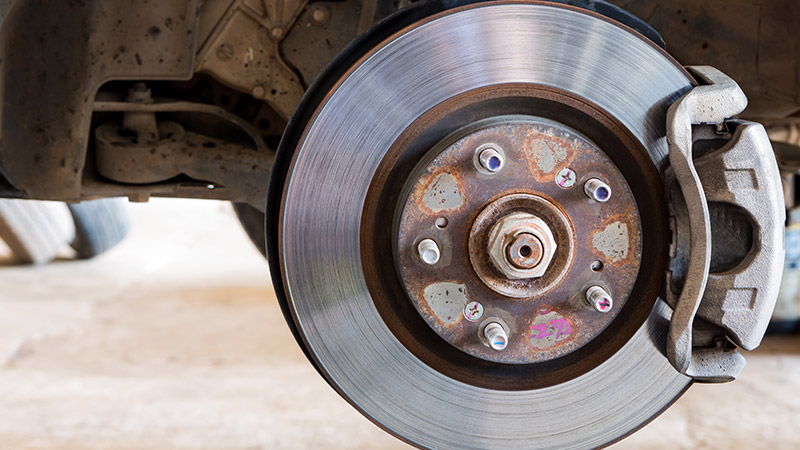
Brake rotors with uneven surfaces significantly affect brake pad wear. Rotor runout, which describes lateral wobble, results in inconsistent contact with brake pads, creating high spots and localized wear. Additionally, rotor thickness variation, known as DTV, can lead to pulsations and uneven material transfer, impacting corresponding pad areas. A glazed rotor surface, often a result of excessive heat, may also reduce friction and contribute to unpredictable pad wear. Proper rotor selection and maintenance, including an understanding of directional brake rotors, are vital for ensuring uniform pad wear.
How do Suspension and Wheel Bearing Conditions Affect Pad Wear?
Compromised suspension and wheel bearing components can create a domino effect on brake pad wear. A worn wheel bearing introduces wobble in the wheel assembly, causing inconsistent contact between the rotor and pad. Meanwhile, defective suspension components, like control arm bushings or ball joints, might produce excessive wheel movement during braking, leading to pressure points and accelerated pad degradation. These issues prevent the braking system from functioning within its intended tolerances.
Decoding Specific Uneven Brake Pad Wear Patterns: What Do They Signify?
Each distinct wear pattern on brake pads serves as a diagnostic clue regarding underlying mechanical faults. Carefully analyzing these visual indicators facilitates precise problem identification and resolution.
What Does Tapered Brake Pad Wear Indicate?
Tapered brake pad wear is characterized by one end of the pad being significantly thinner than the other. This condition often stems from a caliper’s inability to apply even pressure, typically due to seized caliper guide pins that inhibit proper movement. When the caliper pivots instead of sliding, it concentrates pressure on one side of the pad, leading to this distinct wear pattern. Additionally, a bent caliper bracket can contribute to tapered wear.
Why Do Brake Pads Exhibit Inner or Outer Pad Wear Discrepancies?
When either the inner or outer brake pad shows significant wear compared to its counterpart, distinct mechanical issues may be at play. Overwhelming wear on the inner pad often suggests a sticking caliper piston or a clogged brake line, which prevents proper retraction. Conversely, excessive wear on the outer pad might indicate seized caliper guide pins or a collapsed brake hose hindering hydraulic pressure. Both scenarios result in constant, uneven friction against the rotor.
What Causes Grooves, Ridges, or Feathering on Brake Pads?
Grooves and ridges on brake pads are typically caused by abrasive debris—such as small stones or metal shavings—trapped between the pad and rotor. Additionally, an excessively worn or grooved rotor surface can contribute to these issues. Feathering, characterized by uneven wear across the pad width, suggests play in wheel bearings or problems with suspension components, causing inconsistent rotor contact. Both conditions signify direct physical interference with braking performance.
What Does Glazing or Hard Spots on Brake Pads Suggest?
Glazing on brake pads is evident through a hardened, shiny surface appearance, often dark gray or blue, resulting from excessive heat exposure. This occurs when the pads operate beyond their optimal temperature range, with resin binders migrating to the surface and forming a glass-like layer. Glazing significantly reduces the pad’s friction coefficient, impairing braking effectiveness. Hard spots within the pad material may arise from manufacturing defects or localized glazing due to extreme heat, leading to inconsistent pad contact. Such findings necessitate a comprehensive inspection of the braking system, including the master cylinder, to ensure proper function and heat management.
How is Uneven Brake Pad Wear Diagnosed and Addressed?
Diagnosing uneven brake pad wear involves a meticulous process that combines visual and tactile inspections of brake components. Technicians measure wear patterns and identify any underlying issues. Addressing these problems typically requires component replacement or repair to restore balanced braking performance.
| Wear Pattern | Primary Cause(s) | Diagnostic Indicators | Typical Solution(s) |
|---|---|---|---|
| Tapered Wear | Seized caliper guide pins, bent caliper bracket | Pad thickness varies significantly from top to bottom or side to side. | Clean/lubricate guide pins, replace pins/boots, replace caliper bracket, replace pads/rotors. |
| Inner Pad More Worn | Sticking caliper piston, clogged brake line | Inner pad significantly thinner than outer pad. | Service/replace caliper piston, replace brake hose/line, replace pads/rotors. |
| Outer Pad More Worn | Seized caliper guide pins, collapsed brake hose | Outer pad significantly thinner than inner pad. | Clean/lubricate guide pins, replace pins/boots, replace brake hose, replace pads/rotors. |
| Grooves/Ridges | Debris, worn/grooved rotor, faulty pad material | Visible concentric lines or channels on pad surface. | Inspect for debris, machine/replace rotors, replace pads. |
| Feathered Wear | Worn wheel bearings, suspension play | Pad surface has a slight angle across its width. | Inspect/replace wheel bearings, inspect/repair suspension components, replace pads/rotors. |
| Glazing/Hard Spots | Excessive heat, improper break-in, manufacturing defect | Shiny, hardened, discolored (blue/dark gray) pad surface. | Inspect braking system for overheating, replace pads/rotors. |
Throughout the diagnosis process, technicians will visually inspect pads for wear patterns, check rotor integrity, and evaluate caliper movement. Measuring rotor runout and thickness variations supplies valuable quantitative data for comprehensive assessment. Common fixes include cleaning and lubricating caliper guide pins, substituting damaged calipers or brake hoses, and either machining or replacing rotors. Installing new brake pads often accompanies these replacements to ensure uniform friction characteristics.
What are the Immediate Safety Implications of Ignored Uneven Brake Pad Wear?
Neglecting uneven brake pad wear can severely compromise safety. Doing so can result in diminished braking performance, prolonged stopping distances, brake fade, and the dangerous tendency for the vehicle to pull to one side when braking.
How Frequently Should Brake Pads Be Inspected to Prevent Uneven Wear from Escalating?
To avoid significant issues, it’s advisable to inspect brake pads every 6 months or during every tire rotation, whichever occurs first. This routine check aligns with most manufacturer recommendations and helps catch potential problems early.
Can Uneven Brake Pad Wear Affect Other Vehicle Components Beyond the Braking System?
Absolutely. Uneven brake pad wear can lead to expedited deterioration of wheel bearings and suspension components due to increased stress and vibration. Additionally, it can adversely affect tire wear, as the vehicle compensates for compromised braking dynamics, ultimately leading to further performance issues.