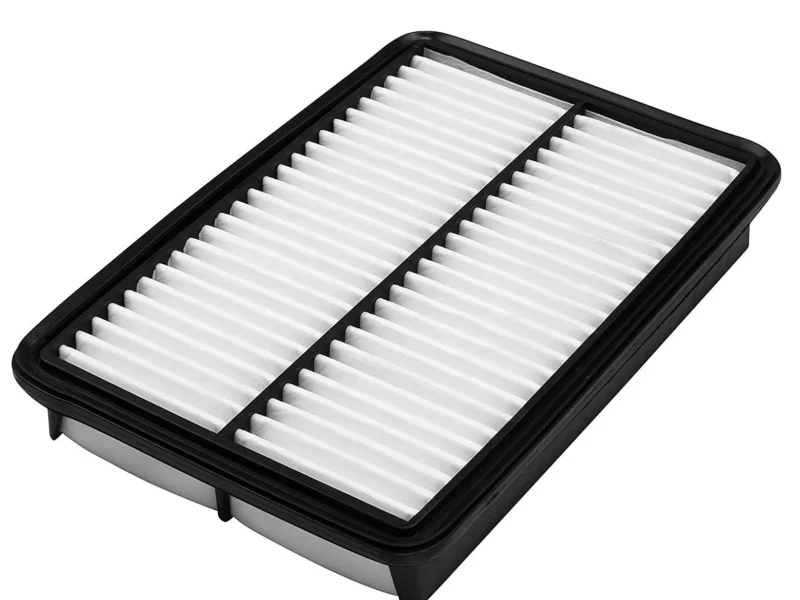
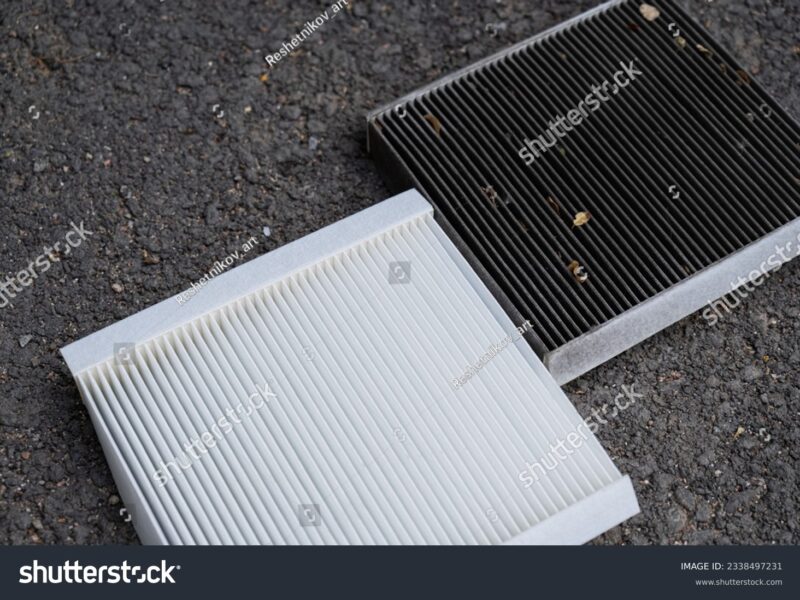
A cabin air filter is a crucial automotive component embedded within a vehicle’s heating, ventilation, and air conditioning (HVAC) system. Its primary role is to purify the air entering the passenger compartment, ensuring that it remains free from harmful airborne contaminants. By filtering out pollutants, it significantly enhances the interior air quality, contributing to a healthier journey for all occupants.
What is a Cabin Air Filter and Why is it Essential for Vehicle Occupants?
A cabin air filter works diligently to capture airborne particles, preventing them from infiltrating the vehicle’s interior. This essential filtration process safeguards passengers from exposure to dust, pollen, soot, and various irritants, effectively creating a healthier in-cabin environment. Typically, you’ll find the filter located behind the glove compartment, under the hood, or beneath the dashboard, depending on the make and model of the vehicle. By preventing debris buildup on critical components like the blower motor and evaporator coil, this filter directly impacts the efficiency and longevity of your HVAC system.
What are the Primary Types of Cabin Air Filters Available?
In the automotive aftermarket, two main types of cabin air filters prevail: particulate filters and activated carbon filters. Each type utilizes a unique filtration mechanism to tackle specific categories of airborne pollutants, which ultimately influences the air quality within the vehicle’s cabin.
How do Particulate Cabin Air Filters Function?
Particulate cabin air filters, also commonly referred to as pollen filters or dust filters, effectively block solid particles from entering the vehicle’s interior. Constructed from pleated paper or synthetic fibrous materials, these filters create a dense mesh that captures airborne contaminants. As air flows through the filter media, particles such as dust, pollen, mold spores, and allergens become trapped on the filter’s surface. Their effectiveness is measured by their ability to capture particles down to several microns in size, making them essential for reducing respiratory irritants in the cabin.
How do Activated Carbon Cabin Air Filters Function?
Activated carbon cabin air filters, often known as charcoal filters, provide advanced air purification that goes beyond mere particulate removal. These filters include a layer of activated carbon—a highly porous material that significantly expands the surface area available for filtration. This structure allows the filter to perform adsorption, where gaseous pollutants and odors chemically bond to the carbon’s surface. These filters excel at eliminating exhaust fumes, volatile organic compounds (VOCs), ozone, smog, and unpleasant odors, thereby ensuring a higher standard of air quality within the cabin. Addressing exhaust fumes is vital for occupant health, and if you detect unusual smells, it may indicate broader vehicle issues, which are explored in articles such as What’s That Smell? Diagnosing Exhaust Fumes Inside Your Car.
Carbon vs. Particulate: Which Cabin Air Filter Type is Best for Specific Driving Conditions?
Choosing between carbon and particulate cabin air filters requires careful consideration of driving conditions, occupant health, and specific air quality concerns. Particulate filters offer adequate performance for general dust and allergen removal, while activated carbon filters provide superior protection against gaseous pollutants and odors, making them especially beneficial in urban settings or high-traffic areas. For a comprehensive approach, related components like high-flow catalytic converters also play a crucial role in managing exhaust emissions, as detailed in Breathe Easy: The Performance Benefits of High-Flow Catalytic Converters.
| Feature | Particulate Cabin Air Filter | Activated Carbon Cabin Air Filter |
|---|---|---|
| Primary Function | Filters solid particles (dust, pollen, spores) | Filters solid particles AND adsorbs gases/odors |
| Filter Material | Pleated paper, synthetic fibers | Pleated paper/fibers + layer of activated carbon |
| Contaminants Removed | Dust, pollen, allergens, soot, dirt | Dust, pollen, allergens, soot, dirt, exhaust fumes, VOCs, odors, smog |
| Odor Reduction | Minimal to none | Significant |
| Cost | Generally lower | Generally higher |
| Best For | General driving, rural areas, budget-conscious | Urban driving, heavy traffic, allergy/asthma sufferers, odor sensitivity |
What Factors Influence the Choice Between Carbon and Particulate Cabin Air Filters?
Several key factors guide the decision-making process when selecting a cabin air filter. Those residing in metropolitan areas or frequently commuting through congested traffic can greatly benefit from activated carbon filters due to their higher exposure to exhaust fumes and industrial pollutants. Conversely, individuals in rural settings who are mainly concerned with airborne allergens during specific seasons may find particulate filters to be sufficient. Health considerations, such as asthma or severe allergies, warrant the enhanced filtration capabilities provided by activated carbon filters. Moreover, budget considerations often come into play since activated carbon filters generally entail a higher initial cost; however, their significant benefits in air quality can justify the investment for many drivers. It’s essential to note that while vehicle manufacturers often recommend a particular filter type, upgrades to higher-performing options are typically permissible.
How Often Should Cabin Air Filters Be Replaced?
To maintain optimal performance and air quality, cabin air filters require periodic replacement. Most vehicle manufacturers suggest changing the cabin air filter every 15,000 to 30,000 miles, or annually—whichever comes first. Nonetheless, driving under dusty conditions, in areas with elevated pollution, or frequently encountering heavy traffic might necessitate more frequent replacements. Signs that indicate a dirty filter include diminished airflow from the HVAC vents, persistent unpleasant odors in the cabin, increased noise from the blower motor, or visible debris on the filter itself. Keeping up with regular maintenance is key to ensuring optimal air quality and HVAC system performance.
What are Combination Cabin Air Filters?
Combination cabin air filters offer an advanced solution that integrates both particulate and activated carbon filtration into a single unit. These filters provide comprehensive protection by trapping solid particles while simultaneously adsorbing gaseous pollutants and odors. This dual-action capability makes them an excellent choice for drivers seeking the highest level of in-cabin air purification, balancing particle retention and odor elimination without the need for separate filter installations.
How do High-Efficiency Particulate Air (HEPA) Cabin Filters Compare?
High-Efficiency Particulate Air (HEPA) cabin filters deliver superior particulate filtration compared to standard filters. Designed to capture at least 99.97% of airborne particles with a diameter of 0.3 micrometers, HEPA filters effectively trap fine dust, pollen, mold, and even bacteria. However, not all vehicles can accommodate HEPA-rated cabin filters due to airflow constraints. Yet, some aftermarket options and newer vehicle models have started incorporating HEPA-grade filtration for those who demand the highest level of particulate removal. It’s important to note that HEPA filters do not inherently provide gas or odor adsorption unless they incorporate an activated carbon layer.
How does a dirty cabin air filter impact HVAC performance?
A dirty cabin air filter hinders airflow to the HVAC system, causing the blower motor to work harder. This strain can lead to reduced heating and cooling efficiency, increased energy consumption, and premature wear on HVAC components. The resulting restriction is manifested as weaker airflow from the vents, compromising comfort and vehicle efficiency.
Can I install a cabin air filter myself?
Many cabin air filters are designed for straightforward DIY replacement, often located behind the glove compartment or under the passenger side dashboard. Vehicle owner’s manuals typically provide specific instructions for access and installation, usually requiring only basic tools and minimal mechanical experience.
Are activated carbon filters always superior to particulate filters?
While activated carbon filters excel by addressing both solid particles and gaseous pollutants/odors, they represent a more comprehensive filtration solution. However, for drivers primarily focused on basic particle filtration, especially those adhering to a strict budget, a standard particulate filter remains a cost-effective and adequate option.