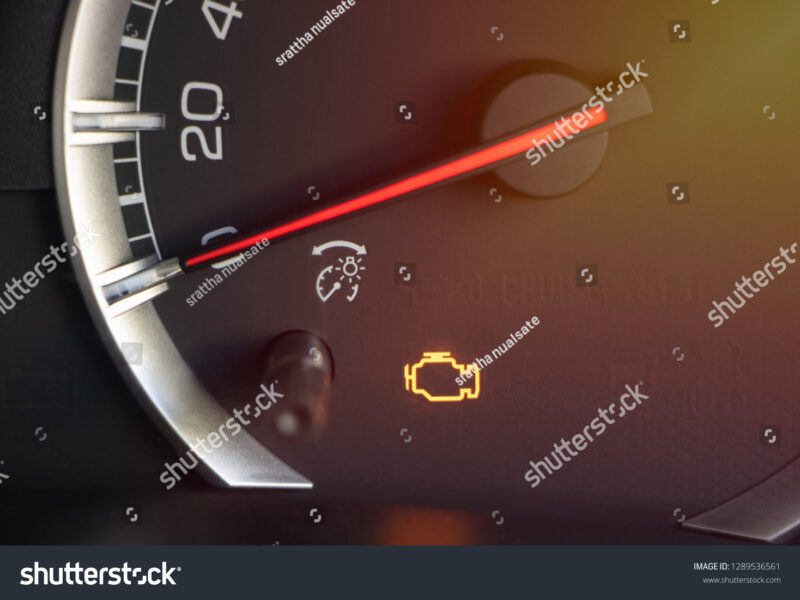
Detecting an exhaust smell in car interiors is not just a minor inconvenience; it’s a critical signal of potential mechanical failure or dangerous fume infiltration into the cabin. This unmistakable odor indicates that combustion byproducts, which should be safely routed away from your vehicle’s interior, are instead penetrating your passenger compartment. Taking immediate action is essential, as inhaling exhaust gases poses serious health risks, particularly from carbon monoxide (CO). By understanding the root causes of this issue and following proper diagnostic procedures, you can avert severe complications for both your safety and your vehicle’s integrity.
What Causes an Exhaust Smell in Car Interiors?
An exhaust smell in a car’s interior usually stems from a breach in the vehicle’s exhaust system. Such a breach allows harmful gases to escape before they reach the tailpipe. Vulnerabilities in the exhaust pathway can manifest anywhere from the engine to the tailpipe, creating various opportunities for fume infiltration. Common sources include exhaust system malfunctions, underlying engine issues, and compromised cabin integrity.
- Exhaust System Leaks: Cracks, holes, or loose connections in the exhaust pipes, muffler, and resonator can let exhaust gases enter the cabin. Rust and corrosion often deteriorate these metal components over time.
- Damaged Exhaust Manifold Gasket: The exhaust manifold gasket provides a seal between the engine block and the exhaust manifold, channeling gases into the exhaust system. A damaged or worn gasket can allow exhaust fumes to leak directly from the engine compartment, manifesting as a noticeable smell inside the car and a spike in engine noise.
- Faulty Catalytic Converter: A malfunctioning catalytic converter may fail to process harmful emissions efficiently, leading to unusual odors or a backup of exhaust gases. Its role is crucial in converting toxic gases into less harmful substances.
- Engine Oil Leaks: If engine oil drips onto overheated exhaust components, such as the exhaust manifold or pipes, it can produce a burning oil smell that might be confused for exhaust fumes. This often indicates worn seals or gaskets within your engine.
- Worn or Clogged Cabin Air Filter: A dirty or damaged cabin air filter can diminish its ability to block external odors, allowing exhaust smells or internal fumes to infiltrate through the HVAC system.
- Compromised Vehicle Seals: Worn or damaged seals around doors, windows, or the trunk can create a pathway for exhaust gases to seep into the passenger area, particularly when the vehicle is stationary or idling.
How Do Different Exhaust Fume Smells Indicate Specific Issues?
The unique odors associated with exhaust fumes infiltrating a car’s cabin provide essential diagnostic clues about the underlying issue. Recognizing these distinct smells is critical for accurate diagnosis and timely repair, preventing potential hazards and ensuring occupant safety.
| Smell Type | Description | Potential Cause | Immediate Action |
|---|---|---|---|
| Rotten Eggs / Sulfur | A stark odor reminiscent of rotten eggs or burning sulfur. | A failing catalytic converter that is unable to process hydrogen sulfide, or a rich fuel mixture causing the smell. | Seek professional diagnosis; catalytic converter replacement may be necessary. |
| Sweet / Syrupy | A distinctly sweet scent often accompanied by white smoke. | A leaking coolant (antifreeze) from a damaged head gasket or cooling system component burning in the combustion chamber. | Inspect coolant levels, check for visible leaks, and consult a mechanic for gasket or hose repair. |
| Burning Oil | A heavy, acrid scent of burning engine oil, possibly perceived as “burning rubber.” | Engine oil leaks dripping onto hot exhaust components or engine surfaces. | Identify and repair oil leaks promptly (e.g., valve cover gaskets, oil pan seals) to prevent further engine damage. |
| Raw Gasoline | A powerful, unmistakable odor of unburnt fuel. | An overly rich air/fuel mixture, leaking fuel injectors, a clogged air filter, or issues with the fuel pressure regulator. | Check for fuel system leaks, inspect the air filter, and assess the fuel/air ratio. |
| Regular Exhaust / Smoky | A smoky, musty smell akin to standard vehicle exhaust, but noticeable within the cabin. | A direct exhaust leak in the exhaust system that permits fumes to enter the vehicle’s interior. | Cease driving immediately and have the entire exhaust system inspected for leaks, especially due to carbon monoxide concerns. |
What Are the Dangers of Inhaling Exhaust Fumes?
Inhaling exhaust fumes, even in minimal concentrations, carries severe health risks due to toxic gases like carbon monoxide (CO). This gas is colorless, odorless, and tasteless, making it particularly dangerous as it can’t be detected by human senses—earning it the title of “the silent killer.”
When CO is inhaled, it readily binds to hemoglobin in red blood cells, displacing oxygen and forming carboxyhemoglobin. This reduces the blood’s ability to transport oxygen to vital organs such as the brain and heart, causing cellular hypoxia. Symptoms of carbon monoxide poisoning can range from headaches, dizziness, and nausea to more serious outcomes like confusion, fatigue, and shortness of breath. Prolonged exposure to high levels can lead to unconsciousness, permanent neurological damage, heart problems, and even death. Furthermore, carcinogenic substances like benzene and formaldehyde present in exhaust fumes raise the cancer risk with extensive exposure. Therefore, identifying an exhaust smell in car interiors demands swift action to safeguard all occupants.
How Is an Exhaust Leak Diagnosed and Repaired?
Diagnosing an exhaust leak is a systematic process, involving visual inspections, auditory checks, and specialized tools to accurately locate the source of fume ingress. Quick and precise diagnosis is crucial to ensure both safety and prevent further vehicle damage. Just as you would routinely check when to replace tires, regular inspections can help proactively identify potential exhaust issues before they worsen.
What Diagnostic Methods Are Used to Identify Exhaust Leaks?
- Visual Inspection: A detailed visual evaluation of the entire exhaust system can uncover clear signs of damage, such as rust, cracks, holes, or black soot around joints and pipes. Technicians often use a lift for better access to the vehicle’s underside.
- Auditory Inspection: Exhaust leaks typically generate distinct sounds such as hissing, tapping, or louder engine noise, especially when accelerating or during cold starts. A mechanic may employ a stethoscope or hose to locate the noise.
- Smoke Test: A smoke machine can be connected to the exhaust system, injecting non-toxic smoke into the pipes. Any leaks become visible as smoke escapes from damaged areas, directing repair efforts.
- Soapy Water Test: For a straightforward diagnostic, spraying a soapy solution on suspected leak points while the engine runs can generate bubbles where gases escape.
- Carbon Monoxide Detector: Utilizing a CO detector inside the car’s cabin can verify the presence of harmful fumes, particularly when the odor source is subtle or inconsistent. It serves as a critical safety measure.
What Are Common Repair Solutions for Exhaust System Issues?
Upon identifying an exhaust leak or related issue, various repair strategies can be implemented based on the severity and location of the damage. Regular maintenance checks, reminiscent of conducting a car tire health check, will keep your exhaust system in optimal working condition.
- Gasket and Seal Replacement: Replacing damaged exhaust manifold gaskets or other seals reinstates a tight seal, which is a standard fix for engine leaks.
- Pipe Repair or Replacement: Minor cracks or holes in exhaust pipes might be mended through welding, clamps, or heat-resistant epoxy. More severe deterioration may necessitate cutting out and replacing sections of pipe.
- Muffler or Resonator Replacement: Severely rusted or damaged mufflers or resonators are best replaced to restore noise reduction and prevent exhaust leaks.
- Catalytic Converter Replacement: If your catalytic converter is faulty, it must be entirely replaced to maintain proper emissions control and eliminate unpleasant odors.
- Heat Shield Repair: Loose or cracked heat shields can sometimes be repaired, preventing exhaust fumes from seeping into the cabin, especially when idling.
Frequently Asked Questions About Exhaust Smell in Car Interiors
Why do I smell exhaust only when my car is idling?
If the exhaust smell is primarily noticed while your car is idling, it often points to a leak located towards the rear of the vehicle or compromised cabin seals. When stationary, exhaust fumes can accumulate beneath the car and be drawn into the interior through the HVAC system or via leaky seals around doors, windows, or floorboards. In contrast, moving vehicles dissipate these fumes more effectively due to increased airflow. Cracked heat shields may also cause smells when the vehicle is idling.
Can a strong exhaust smell in my car cause me to feel sick?
Absolutely, a potent exhaust smell can lead to feelings of sickness as a result of exposure to harmful gases like carbon monoxide (CO). Symptoms of carbon monoxide poisoning may include headaches, dizziness, nausea, fatigue, and confusion. CO hampers the blood’s capacity to carry oxygen, ultimately affecting the brain and other essential organs. If you experience these symptoms, pull over safely, ventilate the car, and seek medical attention immediately, as continued exposure can be deadly.
How often should I have my exhaust system inspected to prevent leaks?
Annual inspections of your exhaust system, or checks in conjunction with regular maintenance, are advised to prevent leaks and ensure optimal performance. Given that exhaust systems are vulnerable to rust and damage from environmental factors, ongoing inspections will allow mechanics to identify and address minor issues, such as loose hangers or corrosion, before they devolve into significant leaks or failures. This proactive strategy not only secures your vehicle’s performance but enhances your safety on the road.