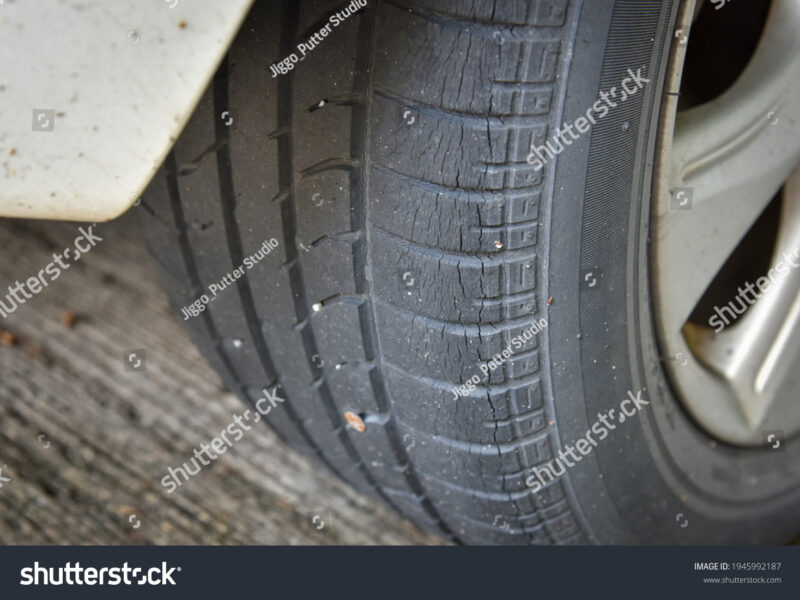
Hydroplaning, often referred to as aquaplaning, is a perilous situation where a layer of water builds up between a vehicle’s tires and the road surface. This phenomenon leads to a critical loss of traction, steering, and braking control. Engineers meticulously design car tires with innovative materials and specialized patterns to vigorously resist hydroplaning. They achieve this by efficiently displacing water, ensuring that vehicles maintain stable contact with the road and enhancing driver safety in wet conditions.
What is Hydroplaning and Why is it Dangerous?
Hydroplaning occurs when a vehicle’s tires lose contact with the road due to a thin film of water. This loss of contact dramatically reduces friction, making the vehicle difficult, if not impossible, to control. The danger of hydroplaning mainly resides in the driver’s sudden inability to steer, brake, or accelerate effectively, which significantly heightens the risk of accidents.
- Causes of Hydroplaning:
- Water Depth: A standing layer of water on the road surface, particularly greater than 0.1 inches (0.3 cm), is crucial for hydroplaning to occur.
- Vehicle Speed: The likelihood of hydroplaning increases substantially at speeds above 35 mph (56 km/h), as higher speeds reduce the time available for tires to effectively displace water.
- Tire Tread Depth: Worn tires with shallow treads struggle to channel water away efficiently.
- Tire Inflation Pressure: Improperly inflated tires can hinder the tire’s ability to maintain effective contact with the road surface.
How Car Tires Are Engineered to Prevent Hydroplaning
Modern car tires are complex systems crafted with advanced tread patterns, sipes, and grooves, along with innovative rubber compounds, all working in concert to combat hydroplaning. These design elements maximize water evacuation and uphold road contact, even during heavy rain.
- Tread Patterns: The grooves on a tire’s surface play a pivotal role in wet weather performance. These patterns create channels that divert water away from the tire’s contact patch. Directional tread patterns, featuring V-shaped designs, excel in displacing water and lowering hydroplaning risks.
- Sipes: These create small slits within the tread blocks, which flex and open as the tire rotates, enhancing the number of gripping edges interacting with the road surface. This flexibility improves water dispersion, especially in wet and icy conditions.
- Grooves: Circumferential and lateral grooves, being wider and deeper than sipes, serve as primary conduits to expel significant water volumes from beneath the tire’s contact patch.
The Science of Water Displacement: Tread Design and Hydroplaning Resistance
Tire tread design is a nuanced engineering discipline that optimizes water flow dynamics. As a tire turns, its tread blocks compress against the surface, with an intricate network of grooves and sipes actively pumping water out from the contact area. This action ensures that the rubber maintains firm contact with the asphalt, thereby preserving traction. Remarkably, tires can disperse nearly eight gallons of water per second at speeds of 50 mph.
Additionally, regular vehicle maintenance plays a vital role in overall safety. Ensuring that all vehicle components, such as brake pads, are in excellent condition can significantly enhance the driving experience. For example, exploring eco-friendly and low-copper brake pad options reflects progressive advancements in other critical safety systems.
The Critical Role of Tire Compounds in Wet Grip
In addition to physical design, the tire’s rubber compound composition greatly influences its grip in wet conditions. Modern manufacturers often use silica-enhanced compounds that remain pliable at lower temperatures and provide unparalleled adhesion to wet road surfaces. These compounds effectively create a stronger bond with water, helping to draw it away from the tire surface on a microscopic level, thus reducing hydroplaning risks. While softer compounds typically offer enhanced grip on wet surfaces, they may experience faster wear.
Tire Pressure and Tread Depth: Essential Factors for Hydroplaning Prevention
Maintaining proper tire pressure and adequate tread depth is crucial for a tire’s ability to resist hydroplaning. Neglecting these aspects compromises the tire’s water-channeling capabilities.
- Tire Pressure: Over-inflated tires reduce the contact patch, diminishing their water dispersal efficiency, while under-inflated tires can warp, induce uneven wear, and decrease water clearance talent. Always align tire pressure with vehicle manufacturer specifications.
- Tread Depth: New tires generally have a depth of 8-11mm (10/32″ to 11/32″). In many regions, the legal minimum tread depth stands at 1.6mm (2/32″). However, performance on wet surfaces notably declines long before reaching this threshold. Experts recommend replacing tires when tread depth reaches or falls below 3mm (4/32″). Tread depths lower than 4mm (5/32″) significantly increase hydroplaning susceptibility and extend stopping distances in wet conditions. Regular tire rotations and inspections are crucial; for example, knowing about proper filtration, such as oil filter costs, illustrates a broader commitment to vehicle safety and longevity.
| Factor | Impact on Hydroplaning Risk | Why it Matters |
|---|---|---|
| Water Depth | Higher Risk | More water demands greater displacement, which can overwhelm tire capacity. |
| Vehicle Speed | Higher Risk | Less time is available for water to be channeled away from the tire’s contact patch. |
| Tire Tread Depth | Lower tread depth = Higher Risk | Worn treads lose their effective grooves, reducing water evacuation efficiency. |
| Tire Pressure | Incorrect (under/over) = Higher Risk | Alters the tire’s contact patch and its ability to channel water effectively. |
| Tire Compound | Inappropriate = Higher Risk | Harder compounds grip less effectively on wet surfaces; specialized silica compounds improve adhesion. |
Practical Tips for Driving Safely on Wet Roads
Even tires designed to resist hydroplaning require prudent driving practices for optimal safety in wet conditions.
- Reduce Speed: Lowering your speed grants tires more time to displace water and ensures a more extensive contact patch with the road.
- Increase Following Distance: Wet roads lengthen braking distances. Maintain a considerable gap from the vehicle in front of you.
- Avoid Sudden Movements: Opt for smooth steering, braking, and acceleration to minimize traction loss. Avoid using cruise control in wet conditions.
- Check Tires Regularly: Ensure your tires are at the correct pressure and feature sufficient tread depth. This proactive care extends to all vehicle components, such as understanding easy steps for air filter installation, which contributes positively to overall vehicle health. Driving in the tracks of preceding vehicles can also help, as this may mean some water has already been dispersed.
FAQs
What is the difference between hydroplaning and aquaplaning?
There is no difference between hydroplaning and aquaplaning; both terms describe the same scenario in which a vehicle’s tires lose contact with the road surface due to a layer of water, resulting in compromised traction and control.
At what speed does hydroplaning typically occur?
Hydroplaning can commence at speeds as low as 30-35 mph (48-56 km/h) when tires are sufficiently worn or when there is standing water, but the risk escalates significantly at speeds over 50 mph (80 km/h), particularly with inadequate tread depth and deeper water.
How can I tell if my tires are worn enough to be at risk of hydroplaning?
You can evaluate your tire’s tread depth using a tread depth gauge or the “penny test” (insert a penny head-first into a tread groove; if Lincoln’s head is visible, the tread is at or below 2/32″ and should be replaced). Many tires also include built-in tread wear indicators (small bars between the treads) that become level with the tread when replacement is necessary. For enhanced safety, especially in wet conditions, consider replacing tires when tread depth falls to 4/32″ or less.