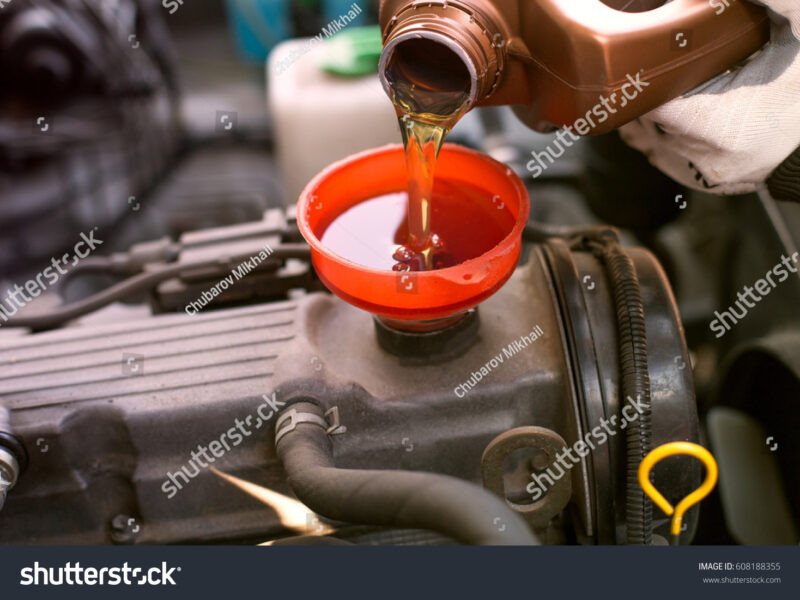
An oil filter is a critical component within an internal combustion engine’s lubrication system, tasked with removing contaminants from engine oil to safeguard internal moving parts. Its primary purpose is to ensure the continuous circulation of clean lubricant, preventing abrasive wear and prolonging engine lifespan. A detailed examination of the value of premium oil filtration involves analyzing its technical specifications, filtration efficiency, and overall benefits that justify the additional expenditure in the current automotive market.
What is the Primary Function of an Engine Oil Filter?
The main function of an engine oil filter is to purify the engine oil by trapping harmful particles and contaminants. These contaminants can comprise dirt, metal shavings from wear and tear, and combustion byproducts, all of which can abrade critical engine surfaces such as bearings and camshafts if allowed to circulate freely. The filter media, often pleated to increase surface area, effectively captures these particulates as oil is pumped through it.
Modern oil filters typically incorporate advanced features such as a bypass valve (or pressure relief valve) and an anti-drain back valve (ADBV). The bypass valve serves as a fail-safe mechanism, allowing unfiltered oil to reach the engine if the filter media becomes clogged or if oil viscosity is excessively high, such as during cold starts. This prevents oil starvation; however, prolonged operation in bypass mode compromises engine protection by permitting unfiltered oil to circulate. The anti-drain back valve, composed often of rubber or high-grade silicone, helps prevent oil from draining out of the filter and oil galleries when the engine is turned off, ensuring immediate oil pressure upon startup and minimizing the risk of dry friction. Choosing lower-quality anti-drain back valves, particularly those made from less resilient nitrile rubber, can result in cracking and hardening over time, leading to detrimental dry starts and increased engine wear.
What Constitutes an Oil Filter’s Material Composition and Design?
An oil filter’s effectiveness is largely determined by its construction, encompassing filter media, casing, and valve quality. The type of filter media markedly influences both filtration efficiency and dirt-holding capacity.
- Cellulose Media: Composed of paper or cellulose fibers, these filters are the most common and economical, typically offering filtration efficiencies in the range of 20 to 40 microns. However, they possess a shorter lifespan, lower resistance to degradation over time, and can absorb moisture, leading to surface loading by larger particles.
- Synthetic Media: Manufactured from micro glass, polyester, or other synthetic fibers, these filters yield superior durability, consistent pore sizes, and higher filtration efficiency, often down to 5-10 microns, with some achieving as low as 2 microns. Synthetic media generally last two to three times longer than cellulose filters, making them suitable for extended drain intervals and capable of withstanding high pressure and temperature.
- Synthetic Blend/Hybrid Media: These filters combine cellulose and synthetic fibers to enhance holding capacity, efficiency, and flow compared to pure cellulose options.
Beyond media, the quality of other components such as the steel canister, sealing gaskets, and bypass/anti-drain back valves is crucial. Premium filters tend to utilize high-grade silicone for their anti-drain back valves, maintaining flexibility under extreme temperatures and minimizing the risk of failure compared to cheaper nitrile rubbers that can harden and crack over time.
| Feature | Cellulose Media | Synthetic Media | Synthetic Blend Media |
|---|---|---|---|
| Primary Material | Paper or cellulose fibers | Micro glass, polyester, artificial fibers | Mix of cellulose and synthetic fibers |
| Filtration Efficiency (Microns) | 20-40 microns (typical) | 5-10 microns (some down to 2) | Improved over cellulose, less than full synthetic |
| Dirt Holding Capacity | Lower | Higher, longer lifespan | Better than cellulose |
| Durability/Lifespan | Shorter, less resistant to aging | Longer, withstands high pressure/temperature | Improved over cellulose |
| Cost | Most affordable | Higher | Mid-range |
| Best Use Case | Standard oil change intervals (e.g., 5,000 miles) | Extended drain intervals, high-performance engines | Balanced performance for various applications |
How Does Oil Filter Cost Relate to Filtration Efficiency and Engine Longevity?
The oil filter cost frequently correlates with its filtration efficiency and the resulting impact on engine longevity. Typically, more expensive filters incorporate higher-quality filter media, such as synthetic fibers, yielding finer filtration (lower micron ratings) and greater efficiency in capturing harmful contaminants. A 2023 study conducted by Automotive Research and Testing Labs (ARTL) revealed that premium synthetic filters maintained 99% filtration efficiency at 20 microns, in contrast to economical filters which dropped to merely 68% efficiency after just 3,000 miles. This increased filtration significantly mitigates abrasive wear on engine components, directly contributing to enhanced engine life and sustained performance.
On the contrary, opting for lower-cost, inferior oil filters can induce concealed costs over time. Such filters often employ substandard materials, provide insufficient filtration, and may sometimes lack crucial components such as effective anti-drain back or bypass valves. Poor filtration facilitates contaminant circulation, accelerating engine wear, decreasing performance, and potentially leading to significant repairs or catastrophic engine failure. The initial savings from a $5 filter versus a $15 premium filter may be overshadowed by repair costs, which average around $2,800 for internal damage across 100,000 miles.
What are the Benefits and Drawbacks of Higher-Priced Oil Filters?
What are the Advantages of Investing in Premium Oil Filters?
Investing in premium oil filters provides numerous advantages that primarily focus on enhanced engine protection and potentially extended service intervals. These filters feature advanced synthetic media that offers superior filtration efficiencies at smaller micron ratings, thus providing critical defense against minute wear particles. Their robust construction, comprising durable filter casings and high-quality silicone anti-drain back valves, guarantees a steady oil flow and mitigates dry starts. This enhancement results in reduced engine wear, improved performance, and a longer engine lifespan overall. Premium filters are also optimized for modern engines, which typically endorse longer oil change intervals and employ synthetic motor oils.
What are the Disadvantages of Budget-Friendly Oil Filters?
Budget-friendly oil filters, despite presenting a lower initial oil filter cost, convey several disadvantages that could jeopardize engine health. Such filters conventionally utilize less efficient cellulose media, presenting larger pores and lower dirt-holding capacity, culminating in subpar filtration. This allows a higher volume of contaminants to circulate, thereby increasing engine wear and potentially contributing to an accelerated decline in fuel economy. Moreover, cheaper filters may exhibit inferior construction quality, including flimsy casings and substandard rubber valves that may harden, crack, or fail, leading to leaks, oil deprivation during cold starts, or filter bypassing unfiltered oil into the engine. Such complications can necessitate costly engine repairs that significantly exceed the initial savings achieved on an inexpensive filter.
When is a More Expensive Oil Filter Justified for Vehicle Maintenance?
A more expensive oil filter is often justified in specific vehicle maintenance scenarios where enhanced protection and longevity are prioritized. High-performance engines, characterized by greater stress and tighter tolerances, benefit markedly from the finer filtration and robust construction of premium filters. Vehicles utilizing synthetic oil and adhering to extended drain intervals (e.g., surpassing 5,000-7,500 miles) necessitate filters possessing higher capacity and durable media designed for longevity, often extending service intervals up to 10,000-25,000 miles. Additionally, harsh driving conditions—such as dusty environments, extreme temperatures, or frequent stop-and-go traffic—demand a more resilient and efficient oil filter to manage increased contaminant levels and thermal stress effectively. For vehicle owners who perceive their automobiles as long-term investments, the incremental oil filter cost of a premium product translates into superior preventive maintenance and reduces the risk of premature engine wear.
What is the Overall Cost-Benefit Analysis of Oil Filter Selection?
The overall cost-benefit analysis of oil filter selection indicates that while the initial oil filter cost of premium options is higher, the long-term benefits in engine protection and reduced repair expenses often outweigh this difference. High-quality filters, particularly those equipped with synthetic media, yield superior filtration efficiency, shield against engine wear, and can support extended oil change intervals, potentially diminishing the frequency of oil changes and associated labor costs. This enhanced engine protection directly contributes to increased engine lifespan and sustained performance, significantly mitigating the risks associated with costly repairs stemming from contaminated oil or component failure. When evaluating choices, it is crucial to consider the vehicle’s specific requirements, driving conditions, and the type of engine oil used. Selecting robust components, whether for oil filtration or other critical systems like braking, is essential for maintaining overall vehicle health.
Frequently Asked Questions About Oil Filters
How Often Should an Oil Filter be Replaced?
An oil filter should generally be replaced with every oil change, typically every 3,000 to 10,000 miles, depending on the vehicle manufacturer’s recommendations, oil type (conventional or synthetic), and driving conditions. For vehicles with extended oil drain intervals, premium synthetic filters are engineered to last longer, often aligning with the extended oil change schedule. Regular oil analysis can be beneficial for determining optimal change intervals for both oil and filters.
Can a Cheap Oil Filter Damage an Engine?
Yes, a cheap oil filter can indeed damage an engine. Low-quality filters are often constructed with inferior materials, provide inadequate filtration efficiency, and may lack essential components like proper anti-drain back valves, which can lead to increased engine wear, oil starvation during cold starts, or premature bypass of unfiltered oil. These deficiencies can culminate in significant engine damage, necessitating costly repairs over time.
Are OEM Oil Filters Always Better Than Aftermarket Options?
OEM (Original Equipment Manufacturer) oil filters are specifically designed to meet the exact specifications of a vehicle’s engine, ensuring precise fitting, optimal filtration performance, and warranty compliance. Although often priced higher, they offer quality assurance and peace of mind. In contrast, aftermarket filters produced by third-party companies can vary widely in quality and may offer comparative or even superior performance to OEM filters, particularly premium aftermarket options equipped with synthetic media. It is vital to research reputable aftermarket brands and confirm their filters meet or exceed OEM specifications for optimal engine protection. The decision ultimately relies on budget constraints, priorities, and the specifications of the vehicle.