Performance braking techniques are not merely skills; they embody a philosophy of control and precision that takes driving to exhilarating new heights. These techniques are specifically engineered to maximize a vehicle’s deceleration efficiency, particularly in high-speed settings, essential for both track and competitive driving. By tapping into the complete stopping potential of the brake system and tires, drivers can master the art of managing weight transfer and optimizing entry speeds into corners. The thrill of driving at speed is amplified when these advanced braking techniques are employed, enhancing both performance and safety.
What is Performance Braking and Why is it Crucial for Track Driving?
At its core, performance braking is the art of manipulating brake pressure to achieve maximum deceleration without sacrificing traction. This skill is pivotal for track driving, as it shapes lap times, influences vehicle control, and directly affects driver safety. By minimizing braking distances and allowing for higher entry speeds into corners, mastering performance braking allows drivers to hover closer to the very limits of their vehicle’s grip, consistently achieving optimal stopping power and redefining the racing experience.
How Does Weight Transfer Impact Advanced Braking Techniques?
Weight transfer plays a crucial role in advanced braking techniques, as it dynamically alters the load on each tire during deceleration. When a driver engages the brakes, the vehicle’s mass shifts forward, enhancing the vertical load on the front tires while simultaneously decreasing it on the rear. This shift boosts the grip of the front tires—responsible for most of the braking—while the rear tires may become susceptible to lock-up if brake pressure is not carefully managed. A solid understanding of this longitudinal weight transfer is key to effective performance braking, allowing skilled drivers to exploit increased front-tire traction without compromising rear stability. For context, standard road cars typically experience a forward weight transfer of about 0.6g during moderate braking.
What are the Core Advanced Braking Techniques for Performance Driving?
In the realm of performance driving, several advanced techniques stand out for their effectiveness in optimizing braking performance and vehicle control.
What is Threshold Braking and How is it Executed?
Threshold braking is the technique of applying maximum brake pressure just shy of activating the Anti-lock Braking System (ABS) or causing the wheels to lock. This precision-driven method seeks to harness the tires’ peak friction for maximum deceleration just before traction is lost. To execute threshold braking effectively, a driver must quickly and firmly apply the brake pedal, modulating pressure right at the limit of grip. This technique is most beneficial at high-stress braking points just before corners, with drivers often applying between 80-95% of maximum pedal force.
How is Trail Braking Used to Optimize Corner Entry?
Trail braking involves the gradual release of brake pressure as a driver turns into a corner, extending the braking phase beyond the initial straight-line entry. This technique preserves weight on the front tires, enhancing them for better steering response and aiding in the rotation of the vehicle towards the corner’s apex. By concurrently managing speed and attitude, trail braking allows finer control during corner entry, crucial for optimal trajectory through turns. Typically, this technique culminates as the driver transitions from braking to throttle application at the apex, quietly blending these critical phases.
What are the Benefits and Applications of Left-Foot Braking?
Left-foot braking is a specialized technique where the left foot operates the brake pedal, allowing the right foot to rest on the accelerator. This innovation significantly reduces the time required to switch between pedals, fostering quicker and more precise brake applications. Simultaneous throttle and brake input can be utilized to master weight transfer and vehicle balance, with subtle oversteering induced in high-performance cars, particularly those featuring automatic or sequential transmissions where clutch considerations are minimal. This technique is popular in rally driving and specific racing scenarios, often employed to maintain turbocharger boost or manipulate vehicle dynamics.
What is Progressive Braking and When is it Applied?
Progressive braking describes a methodical approach to brake pressure application, featuring a gradual rise to maximum force coupled with a smooth reduction. This technique avoids abrupt load shifts, preserving vehicle stability and predictability throughout braking maneuvers. Progressive braking can be utilized across various stages of cornering, effectively managing speed and balance, and is particularly invaluable under adverse conditions or for vehicles prone to instability, allowing drivers to finely tune their grip and maintain optimal control.
What Components of the Braking System are Critical for Performance?
The strength of advanced braking techniques hinges on the quality and condition of the vehicle’s brake system components. Key elements include brake pads, rotors, calipers, and fluid.
- Brake Pads: These friction materials convert kinetic energy to thermal energy. High-performance pads are engineered to deliver superior friction at elevated temperatures, resistant to heat, and provide consistent performance under duress. Various compounds are designed for specific applications, ranging from everyday driving to competitive racing scenarios.
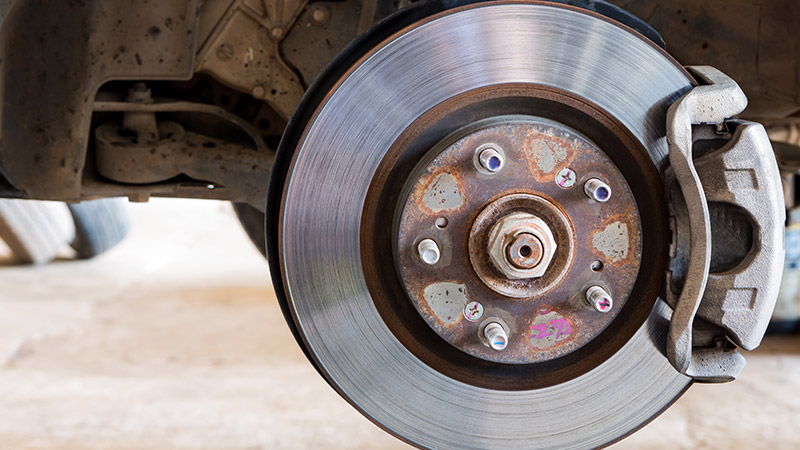
- Brake Rotors: Known commonly as brake discs, these components dissipate heat generated by brake pads. Performance rotors often feature ventilation designs—such as drilled or slotted configurations—that enhance cooling, curb warping, and sustain friction consistency during extreme use.
- Brake Calipers: Brake calipers contain pistons that press pads against rotors. Multi-piston calipers distribute pressure evenly across the pad, amplifying braking force and reducing wear. Their stiffness minimizes flex, thereby enhancing pedal feel and overall consistency.
- Brake Fluid: Brake fluid transmits hydraulic pressure from the pedal to calipers, with high-quality fluids featuring elevated boiling points. In performance driving, where extreme heat is common, quality brake fluid resists fade and prevents the formation of vapor bubbles that can compromise braking efficiency.
The following table compares common characteristics found in various brake pad compounds tailored for performance driving:
| Pad Type | Primary Application | Operating Temperature Range | Friction Coefficient | Dust Production | Rotor Wear |
|---|---|---|---|---|---|
| Organic | Street (light performance) | Low to Medium | Medium | Low | Low |
| Semi-Metallic | Street/Track Day | Medium to High | Medium to High | Medium | Medium |
| Ceramic | Street (premium) | Low to Medium-High | Medium | Very Low | Low |
| Full Race Compound | Track/Competition | High to Very High | High to Very High | High | High |
How Do Tire and Suspension Setups Influence Braking Performance?
Tire and suspension configurations drastically influence braking performance, dictating how efficiently a vehicle channels force to the road. High-performance tires, employing softer compounds and aggressive tread patterns, deliver unmatched grip, allowing for maximized braking force just shy of lock-up. Tire pressure is another critical element; incorrect pressures can drastically reduce the contact patch, compromising friction effectiveness. Additionally, suspension geometry and tuning—including spring rates, damper settings, and anti-dive characteristics—manage weight transfer during braking sequences. An optimally tuned suspension maintains tire contact patches adequately loaded, ensuring peak grip and stability throughout the deceleration duration. For instance, stiffer springs can prevent excessive dive, keeping the rear tires better engaged and balanced overall.
Frequently Asked Questions About Performance Braking Techniques
What is the difference between threshold braking and ABS activation?
Threshold braking is a driver-controlled technique in which brake pressure is manually modulated near the point of wheel lock-up, achieving optimal friction. In contrast, ABS activation occurs automatically when the system detects an impending lock-up, rapidly cycling brake pressure to maintain tire rotation and allow for steering control. Although both aim for maximum deceleration, threshold braking relies on driver skill to identify the grip limit, while ABS serves as a safety net to prevent lock-up and preserve steerability.
How often should brake fluid be changed for track use?
For those engaging in track use, brake fluid exchanges should be more frequent compared to regular street driving—typically every 3 to 6 months or after a few track days, depending on usage intensity and the type of fluid employed. Performance driving generates extreme heat within the brake system; consistently flushing the brake fluid ensures optimal performance and prevents moisture absorption, which lowers boiling points and can provoke brake fade.
Can advanced braking techniques be used in street driving?
Although designed primarily for track settings, the foundational principles of advanced braking techniques can enrich street driving experiences. Techniques focused on smooth input, progressive pressure, and weight transfer management can enhance overall vehicle control and emergency stopping capabilities. However, aggressive techniques like threshold and trail braking should be reserved for the track, given the inherent risks and differing dynamics found in public roadways.