The humble parking brake, once a simple lever requiring physical effort, has undergone a remarkable transformation. In modern vehicles, it has evolved into a sophisticated electronic system, known as the Electric Parking Brake (EPB). This innovative technology encapsulates not just convenience; it is also reshaping the entire parking experience and playing a crucial role in the future of automotive safety and design. As vehicles become smarter and more integrated, the EPB stands out as a key component in intelligent mobility solutions.
What is an Electric Parking Brake (EPB)?
An Electric Parking Brake (EPB), also referred to as an electronic parking brake, is an electronically controlled system that replaces the traditional mechanical handbrake or foot pedal. Instead of relying on a cable-and-lever mechanism, drivers activate the EPB with a simple button or switch. This action sends a signal to an electronic control unit (ECU) that commands an actuator mechanism to apply the brakes, typically on the rear wheels. This transition from manual to electronic systems represents a significant advancement in automotive engineering.
Historical Context
The concept of the parking brake had its genesis with the advent of automobiles in the early 20th century. Initially, mechanical handbrakes prevailed, but through the 2000s, automotive manufacturers began integrating EPB technology into their vehicles. This shift reflects growing trends in consumer demand for convenience and safety features. As vehicles became equipped with more advanced technologies such as electronic stability control and anti-lock braking systems, the transition to EPB systems became inevitable.
How the Electric Parking Brake Works
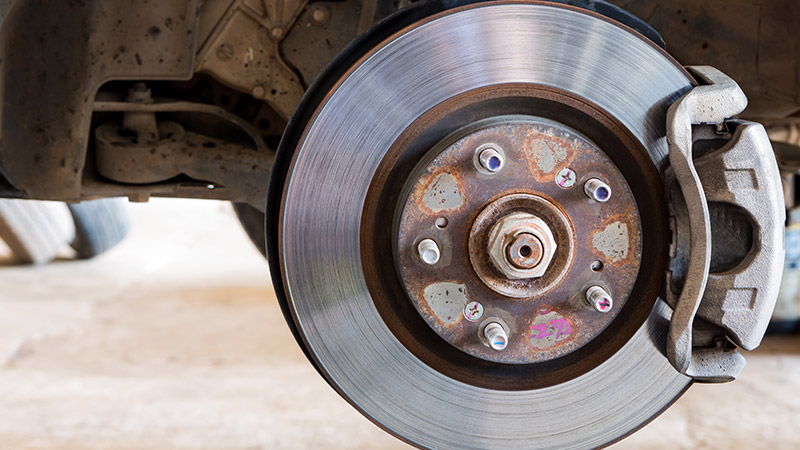
There are generally two main types of EPB systems in production: cable-pull systems and caliper-integrated systems. In cable-pull systems, an electric motor pulls a conventional brake cable to engage the brake. Conversely, caliper-integrated systems feature the motor directly mounted on the brake caliper, applying pressure to the brake pads when activated. This electronic operation ensures precise and consistent braking force, enhancing overall vehicle safety and reliability.
Traditional vs. Electric Parking Brake
The shift from mechanical to electronic parking brakes brings numerous changes. Traditional systems rely on manual effort and physical cables, which can wear out or stretch over time, potentially leading to common brake problems. EPBs, by contrast, offer a modern approach with greater reliability and ease of use, as they eliminate these mechanical vulnerabilities. Drivers may miss the tactile feedback of a mechanical lever; however, the advantages of the EPB often outweigh this preference.
Benefits of the Electric Parking Brake System
The widespread adoption of the Electric Parking Brake is driven by a multitude of advantages that enhance safety, convenience, and vehicle design. This technological upgrade is considered a significant improvement over its mechanical predecessor.
Enhanced Safety Features
EPBs contribute significantly to vehicle safety through several integral features. They provide a more consistent and controlled braking force, with many systems incorporating additional safety functions like automatic emergency braking and collision avoidance. Some EPBs automatically engage when the vehicle is turned off or when parked on a steep incline, thus preventing accidental rollaways. Moreover, the hill-hold function, a common EPB feature, applies brakes to prevent rollback when starting on a gradient, providing crucial assistance to drivers and further enhancing vehicle control.
Convenience and Driver Comfort
One of the most immediate benefits for drivers is the sheer convenience. Engaging the parking brake is as simple as pressing a button or flipping a switch, thereby eliminating the physical effort of a lever. Furthermore, many EPB systems include an automatic release function that disengages the brake when the driver accelerates, which streamlines the driving experience in stop-and-go traffic. This contributes to a smoother and more comfortable operation, reinforcing the concept that upgrading to EPB feels like a genuine brake enhancement.
Space-Saving Design
Eliminating the bulky handbrake lever or foot pedal frees up valuable interior space within the cabin. This design flexibility enables car manufacturers to optimize center consoles, often resulting in more storage compartments or a cleaner, minimalist aesthetic. This seemingly small change significantly impacts cabin ergonomics, fostering a modern vehicle style that is both functional and visually appealing.
Integration with Advanced Driver-Assistance Systems (ADAS)
The electronic nature of the EPB makes it highly compatible with modern Advanced Driver-Assistance Systems (ADAS). It can be integrated seamlessly with systems such as electronic stability control (ESC) and automatic vehicle hold (AVH), which keeps the vehicle stationary on inclines without the need for constant pedal pressure. This synergy not only enhances overall vehicle stability but also aligns with the broader trend of automotive automation and smarter mobility solutions.
The Role of EPB in Modern Vehicles
The Electric Parking Brake is increasingly becoming a standard feature across a diverse range of vehicles, reflecting its importance in contemporary automotive engineering. Its integration signifies the industry’s push toward enhanced safety and cutting-edge technology.
Electric Vehicles and EPB
EPB systems are particularly prevalent in electric vehicles (EVs) and plug-in hybrids. In these vehicles, the electric motor is often used for both propulsion and braking, making an electronic braking system a natural fit. This integration not only helps optimize energy recovery through regenerative braking but also contributes to the overall efficiency of electric powertrains. Leading manufacturers are heavily investing in research and development to further improve EPB systems for their EV models, optimizing both safety and performance.
Future Trends and Innovations
The market for electric parking brakes is experiencing substantial growth. Industry analysis projects the global electric parking brake market size to reach USD 18.27 billion by 2035, with a compound annual growth rate (CAGR) of 17.29% from 2025. Europe, driven by stringent safety regulations and a robust automotive manufacturing base, is a leader in this market, with North America also exhibiting noteworthy growth patterns. Key players such as ZF, Continental AG, and Robert Bosch GmbH are continuously innovating, introducing advanced features and developing solutions for autonomous vehicles. ZF, for instance, pioneered EPB technology nearly 25 years ago and has produced over 250 million EPB units, affirming its leadership in the industry.
The future will see EPBs being increasingly integrated into sophisticated systems like autonomous valet parking (AVP), potentially allowing vehicles to park themselves seamlessly. This advancement aligns with broader trends in smart parking solutions, leveraging AI and IoT technologies to create dynamic and adaptive parking management systems, ultimately contributing to increased efficiency in urban settings.
Potential Challenges and Considerations
Despite its many advantages, the Electric Parking Brake system also presents certain considerations crucial for both consumers and automotive professionals.
One potential drawback is the cost of repair and maintenance. EPB systems can be more expensive to manufacture, install, and service than traditional mechanical parking brakes due to their complex electronic components. Specialized tools and diagnostic equipment are often required for repairing an EPB system, translating to higher labor costs. Understanding these factors is imperative for effectively extending your brake life.
Additionally, in situations where a battery drain or electrical system failure occurs, some EPB systems may not be able to be released without external power or specific procedures, which can create inconvenience. However, modern systems often incorporate redundancies or manual override options to mitigate these issues. For instance, some vehicles are designed to allow for automatic release under conditions such as closing the door, fastening the seatbelt, and pressing the accelerator, with the automatic release time calculated based on the ramp slope and the motor torque.
Conclusion
The Electric Parking Brake system represents a significant leap forward in automotive technology, offering enhanced safety, greater convenience, and improved design flexibility. As vehicles become increasingly sophisticated and integrated into smart city ecosystems, EPBs are poised to evolve further, becoming an even more indispensable component of the driving experience. While some challenges remain—particularly concerning maintenance and electrical reliance—ongoing innovation by industry leaders guarantees a future where parking becomes not just a necessity but a seamless, intelligent, and safe part of our daily lives.