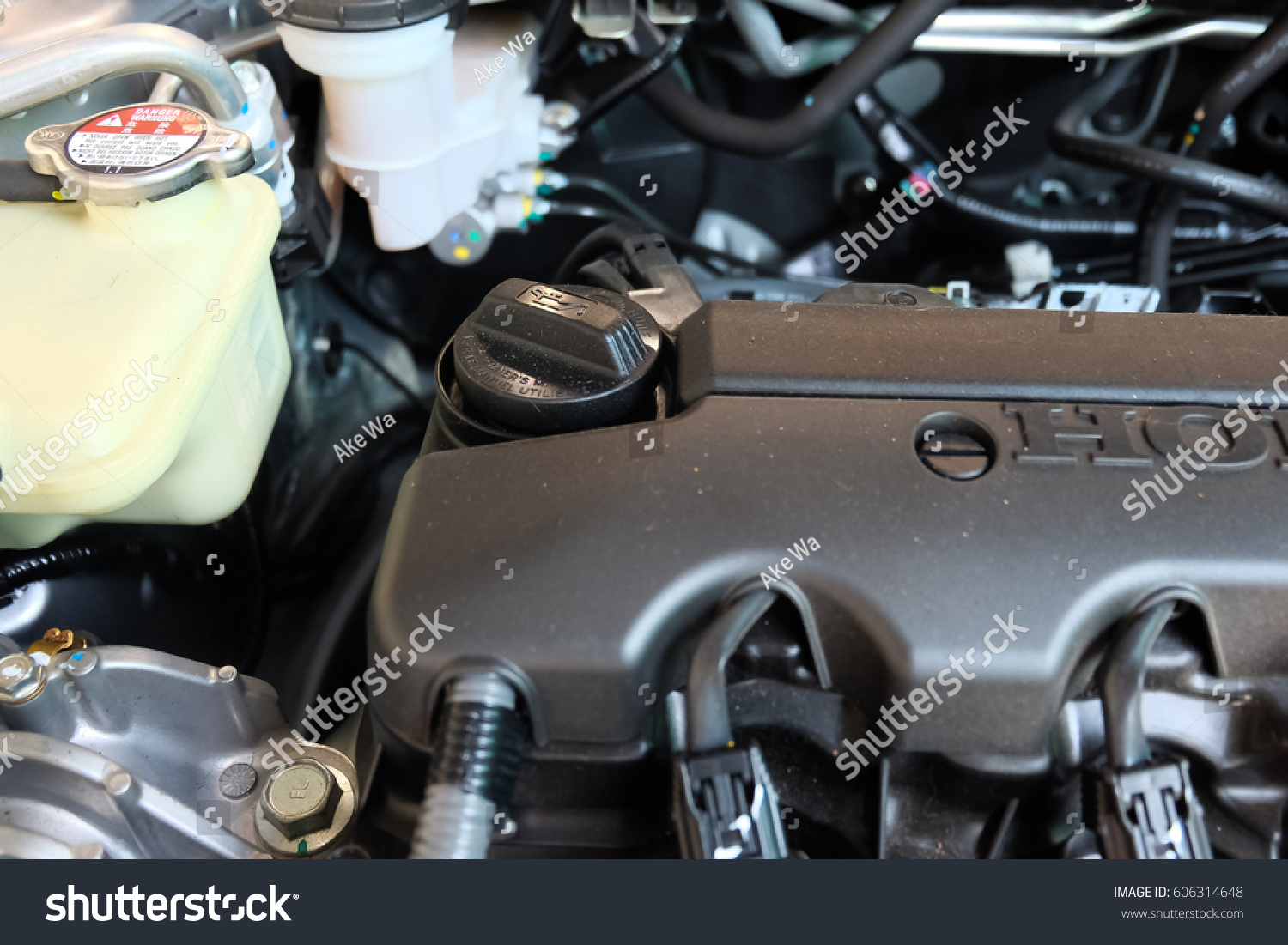
A car overheating is a serious issue that can lead to significant engine damage if not addressed promptly. Understanding the common culprits behind an overheating engine is the first step towards preventing and resolving this critical problem.
What Are the Primary Reasons for Engine Overheating?
Engine overheating occurs when the cooling system can no longer effectively dissipate the heat generated by the combustion process. This leads to a rapid increase in engine temperature, potentially causing severe damage. The cooling system is a complex network designed to maintain optimal operating temperatures, and any disruption within this system can result in overheating.
One of the most immediate indicators of a failing cooling system is an elevated reading on your car’s manómetro de temperatura (temperature gauge). If this gauge consistently ventures into the red zone, it signifies that the engine is running hotter than it should. Ignoring such a warning can escalate minor issues into costly repairs, impacting various engine components.
The cooling system relies on several key components working in harmony: the radiator, coolant, water pump, thermostat, and cooling fans. Each of these parts plays a vital role in circulating coolant and releasing heat. When one or more of these components malfunction, the entire system’s ability to regulate temperature is compromised.
Regular maintenance is paramount in preventing overheating. Neglecting tasks such as flushing the cooling system or checking coolant levels can lead to the buildup of contaminants. These contaminants, like rust and sediment, can impede coolant flow, reducing the system’s efficiency and ultimately leading to overheating.
Beyond the cooling system itself, other factors can contribute to an overheating engine. Issues with the engine’s lubrication, ignition timing, or even a clogged exhaust system can generate excessive heat that the cooling system struggles to manage. Therefore, a comprehensive approach to diagnostics is often necessary.
Is a Failing Radiator a Common Cause of Overheating?
Yes, a failing radiator is one of the most frequent culprits behind an overheating engine. The radiator’s primary function is to cool the engine coolant before it circulates back into the engine. If the radiator is compromised, this crucial cooling process is severely hampered.
Several issues can lead to radiator failure. Internal blockages, often caused by sediment and rust accumulation, restrict coolant flow. This prevents the coolant from reaching the radiator’s fins, where it would normally be cooled by airflow. As mentioned in the Is Your Car Radiator Failing? Key Symptoms and Troubleshooting Guide, this can result in inefficient cooling and a rapidly rising engine temperature.
External damage to the radiator, such as from road debris or minor collisions, can also cause leaks. Even small leaks can lead to a significant loss of coolant over time. Low coolant levels mean less fluid is available to absorb and transport heat away from the engine, making overheating inevitable. You should be aware of the key symptoms of a failing car radiator to catch these issues early.
The condition of the radiator cap is also critical. A faulty radiator cap may not hold the necessary pressure within the cooling system. This can lower the boiling point of the coolant, leading to premature vaporization and reduced cooling efficiency. A properly functioning cap ensures the coolant remains in its liquid state at higher temperatures.
For optimal performance and to prevent such issues, experts recommend performing a car radiator flush regularly. This maintenance procedure helps remove accumulated debris and ensures efficient coolant circulation. It’s generally advised to perform this flush every 30,000 miles, or at least biennially, depending on your vehicle and driving conditions.
What Role Do the Water Pump and Thermostat Play?
The water pump and thermostat are integral components of the cooling system, and their malfunction directly leads to engine overheating. The water pump is responsible for circulating coolant throughout the engine block, radiator, and heater core. If the water pump fails, coolant stops flowing, and heat cannot be effectively removed from the engine.
Signs of a failing water pump can include a whining noise from the engine, coolant leaks from the pump housing, or even a visible steam plume. A corroded or damaged impeller within the pump can also reduce its effectiveness in moving coolant, even if the pump itself is still operational. A compromised water pump means the engine will quickly overheat, especially under load.
The thermostat acts as a valve that controls the flow of coolant to the radiator. When the engine is cold, the thermostat remains closed, allowing the engine to reach its optimal operating temperature more quickly. Once the coolant reaches a specific temperature, the thermostat opens, allowing coolant to flow to the radiator for cooling.
If the thermostat becomes stuck in the closed position, coolant cannot reach the radiator. This will inevitably lead to overheating, as the heat generated by the engine has no avenue for dissipation. Conversely, if the thermostat gets stuck open, the engine may take a very long time to warm up, leading to poor fuel efficiency and increased wear, though it typically won’t cause overheating.
The interplay between the water pump and thermostat is crucial. The pump ensures coolant is moving, while the thermostat regulates its flow to the radiator based on temperature. When either component fails, the delicate balance of the cooling system is disrupted, making engine overheating a near certainty.
How Do Cooling Fans and Low Coolant Contribute to Overheating?
Cooling fans and the level of coolant in the system are fundamental to preventing engine overheating. The cooling fans, particularly those integrated into the radiator assembly, are essential for drawing air through the radiator fins when the vehicle is stationary or moving at low speeds. This airflow is critical for dissipating heat from the coolant.
If the cooling fans are not working correctly – due to a faulty motor, a blown fuse, or a malfunctioning sensor – the radiator cannot be adequately cooled. This is especially noticeable in stop-and-go traffic or when idling for extended periods. Without sufficient airflow, the coolant temperature will rise, leading to overheating.
Low coolant levels are another primary cause of overheating. Coolant is the medium that absorbs heat from the engine and transports it to the radiator for dissipation. If the coolant level drops below the required mark, there is simply not enough fluid to effectively manage the engine’s heat load.
Leaks are the most common reason for low coolant. These leaks can originate from the radiator, hoses, water pump, heater core, or even the head gasket. It’s crucial to address any coolant leaks promptly, as they not only lead to overheating but can also cause damage to other engine components due to the loss of lubrication and cooling.
Maintaining the correct coolant mixture is also vital. Coolant is typically a 50/50 mix of antifreeze and distilled water. This mixture has a higher boiling point and a lower freezing point than plain water, making it more effective across a wider range of temperatures. Using plain water or an incorrect mixture can reduce the cooling system’s efficiency.
What About Less Common Causes of Overheating?
While radiator issues, water pump failures, thermostat malfunctions, and low coolant are the most frequent causes of engine overheating, several less common factors can also contribute. These often involve more complex system interactions or component failures.
A blown head gasket is a serious engine problem that can lead to overheating. The head gasket seals the combustion chambers and prevents coolant and oil from mixing. If it fails, hot combustion gases can leak into the cooling system, rapidly increasing coolant temperature and pressure. Alternatively, coolant can leak into the combustion chambers, leading to white smoke from the exhaust and a loss of coolant.
Issues with the engine’s ignition timing can also generate excessive heat. If the spark plugs fire at the wrong moment, it can lead to inefficient combustion, generating more heat than usual. Similarly, a clogged exhaust system, such as a restricted catalytic converter, can trap heat within the engine, causing it to run hotter.
Airflow restrictions, beyond the cooling fans, can also play a role. A blocked grille or debris accumulating in front of the radiator can impede the natural airflow necessary for cooling. Also, problems with the vehicle’s drive belts can affect the water pump and cooling fan operation, leading indirectly to overheating.
It’s also important to consider the possibility of internal engine problems unrelated to the cooling system directly but that generate abnormal heat. For example, excessive friction due to insufficient lubrication can raise engine temperatures. While less common, these factors highlight the importance of a thorough diagnostic process when encountering overheating issues.
What Are Emergency Fixes When My Car Overheats?
If your car begins to overheat, the immediate priority is to prevent further damage to the engine. Pulling over safely as soon as possible is the most crucial first step. Continuing to drive an overheating vehicle can lead to catastrophic engine failure, resulting in extremely expensive repairs.
Once safely stopped, turn off the engine immediately. Allow it to cool down completely, which can take anywhere from 30 minutes to over an hour, depending on how hot it got. Never attempt to open the radiator cap while the engine is hot. The pressurized system can spray boiling coolant, causing severe burns.
While the engine is cooling, you can try to identify obvious issues. Look for visible leaks under the car. Check the coolant reservoir; if it’s empty or very low, this is a significant indicator of a leak. If you have a spare container of coolant (and it’s safe to do so after the engine has cooled), you can add it to the reservoir. However, this is a temporary measure if there’s a leak.
If you suspect a minor coolant leak or low coolant level and need to drive a short distance, you can try adding water to the reservoir after the engine has cooled considerably. Be aware that using plain water reduces the coolant’s boiling point and offers less protection than a proper coolant mix. This should only be a temporary measure to get you to a repair shop.
For more persistent overheating issues or if you cannot identify the cause, it is best to call for roadside assistance or a tow truck. Attempting to drive with a significant cooling system problem can turn a repairable issue into a complete engine replacement. For maintenance guidance to prevent these emergencies, consider how often you perform tasks like changing your brake fluid, which, while unrelated to the cooling system, signifies the importance of regular vehicle upkeep.
Maintenance Schedule Comparison for Key Vehicle Systems
Regular maintenance is key to preventing major issues like engine overheating and ensuring the longevity of your vehicle. Different systems have different recommended service intervals. Understanding these can help you stay on top of your car’s health.
| Vehicle System | Recommended Maintenance Interval | Purpose |
|---|---|---|
| Radiator Flush | Every 30,000 miles or biennially | Removes sediment and rust, ensures optimal coolant flow for engine cooling. |
| Brake Fluid Change | Every 2 years or 24,000 miles (approx. 38,624 km) | Ensures effective braking performance and prevents corrosion in the brake system. |
| Engine Oil Change | Varies by manufacturer (typically 5,000 – 7,500 miles) | Lubricates engine parts, reduces friction, and helps dissipate heat. |
| Coolant Level Check | Monthly or before long trips | Ensures sufficient coolant for effective engine temperature regulation. |
Comparing the intervals, you can see that brake fluid needs attention slightly more frequently than a radiator flush, with a maximum of 24,000 miles versus 30,000 miles for the radiator. This highlights that while both are critical fluid-based systems, their specific needs and recommended service schedules differ. Proactive attention to all maintenance items, including those seemingly unrelated to engine temperature like changing your brake fluid, contributes to the overall reliability of your vehicle.
Frequently Asked Questions About Car Overheating
What should I do if my car’s temperature gauge is in the red?
If your car’s temperature gauge enters the red zone, it indicates that your engine is significantly overheating. The immediate and most critical action is to pull over to a safe location as soon as possible and turn off the engine. Do not attempt to drive further, as this can cause severe and irreversible engine damage. Allow the engine to cool down completely, which can take an hour or more, before attempting any inspection. Never open the radiator cap while the engine is hot due to the risk of scalding from pressurized, hot coolant.
Can I drive my car if it’s slightly overheating?
Driving a car that is even slightly overheating is not recommended and carries significant risks. While a minor temperature fluctuation might seem insignificant, it can quickly escalate into a major problem, especially under load or in warmer conditions. Continuing to drive could lead to serious damage to components like the head gasket, cylinder head, or even the entire engine block. It is always best to err on the side of caution and address the overheating issue immediately by pulling over safely.
How often should I check my coolant level?
You should check your coolant level at least once a month and before undertaking any long journeys. A quick visual inspection of the coolant reservoir (usually a translucent plastic tank) is sufficient. Ensure the level is between the ‘MIN’ and ‘MAX’ lines when the engine is cold. If the level is consistently low, it may indicate a leak in the cooling system that needs professional attention.
What is the difference between coolant and antifreeze?
Antifreeze is a concentrated chemical additive that is mixed with water to create coolant. Pure antifreeze has a very low freezing point and a high boiling point, but it’s not effective on its own for cooling. Coolant is the resulting mixture (typically 50% antifreeze and 50% distilled water) that circulates through the engine’s cooling system. This mixture provides freeze protection in cold weather and boil-over protection in hot weather, while also containing corrosion inhibitors to protect the system’s components.
What are the signs of a blown head gasket?
A blown head gasket can manifest in several ways, often leading to or exacerbating overheating. Common signs include white smoke billowing from the exhaust pipe (due to coolant entering the combustion chamber), unexplained loss of coolant, a milky or foamy appearance of the engine oil (coolant mixing with oil), or an oily film within the coolant reservoir. You might also notice a persistent sweet smell from the exhaust or coolant leaks from the engine block’s joining surfaces.
Learn More About Related Automotive Maintenance: