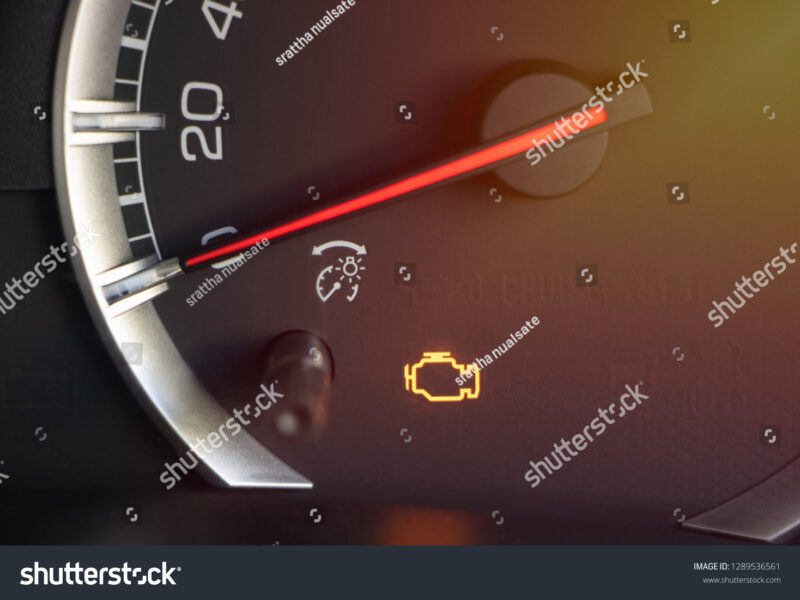
When your vehicle fails an emissions exhaust test, it signals a serious issue—it emits pollutants that exceed regulatory limits. These failures often stem from issues in the exhaust system, which can impair both your car’s efficiency and its compliance with environmental standards. Prompt diagnosis and repair are critical to prevent further damage and to ensure your vehicle remains legally operable.
What are the Primary Components of a Vehicle’s Exhaust System?
The exhaust system of your vehicle plays a crucial role in managing and treating byproducts produced from combustion before they are released into the atmosphere. The key players in this system include the exhaust manifold, catalytic converter, oxygen sensors, exhaust pipes, muffler, and tailpipe. The exhaust manifold collects gases from the engine’s cylinders and directs them through the exhaust system. The catalytic converter is indispensable, converting harmful pollutants into less toxic substances through intricate chemical reactions. Oxygen sensors monitor the oxygen levels in the exhaust, feeding vital data to the engine control unit (ECU) for optimal air-fuel mixture adjustments. Meanwhile, exhaust pipes transport those gases onward, the muffler minimizes noise, and the tailpipe releases the cleaned gases. Additionally, the Exhaust Gas Recirculation (EGR) valve helps lower combustion temperatures by redirecting a portion of exhaust gases back into the engine’s combustion chambers, effectively reducing nitrogen oxide (NOx) emissions.
How Does an Exhaust System Contribute to Emissions Control?
The exhaust system actively contributes to emissions control by processing and minimizing harmful gases generated during engine combustion. The main pollutants addressed include hydrocarbons (HC), carbon monoxide (CO), and nitrogen oxides (NOx). Hydrocarbons consist of unburned fuel particles, CO arises from incomplete fuel combustion, and NOx is formed at high combustion temperatures. Here, the catalytic converter plays a vital role, converting HC, CO, and NOx into water, carbon dioxide, and nitrogen. Utilizing oxygen sensors, the system guarantees that the engine maintains an optimal air-fuel ratio, ensuring effective combustion and operation of the catalytic converter. The EGR valve specifically helps to reduce NOx formation by cooling combustion temperatures.
What are the Common Causes of Exhaust System-Related Emissions Failure?
Several common culprits can lead to a failed emissions exhaust test, primarily involving the catalytic converter, oxygen sensors, and exhaust leaks. A failing catalytic converter is often the primary issue, which can be indicated by the P0420 code, meaning “Catalyst System Efficiency Below Threshold.” Malfunctioning oxygen sensors can deliver inaccurate data to the ECU, resulting in incorrect air-fuel mixture adjustments. Exhaust leaks, especially those upstream of oxygen sensors, can let unmetered air disrupt sensor readings and trigger diagnostic trouble codes. Other contributing factors include engine misfires, a faulty spark plug, incorrect fuel pressure, and EGR valve malfunctions.
How Can a Faulty Catalytic Converter Lead to Emissions Failure?
A faulty catalytic converter can directly lead to emissions failure by not sufficiently converting harmful exhaust gases into less harmful compounds. This critical component depends on precious metals like platinum, palladium, and rhodium to catalyze oxidation and reduction reactions. Over time, as the converter degrades due to age, contamination from unburned fuel, or thermal shock, its efficiency plummets—resulting in higher pollutant levels (HC, CO, NOx) that surpass legal limits. Vehicles manufactured post-1996 are equipped with an On-Board Diagnostics II (OBD-II) system that continuously monitors catalytic converter efficiency. The ECU compares the readings from upstream and downstream oxygen sensors, and if those readings are too similar, it indicates that the converter isn’t functioning properly—triggering a P0420 diagnostic trouble code.
What Role Do Oxygen Sensors Play in Emission Performance?
Oxygen sensors are vital in sustaining optimal emission performance by monitoring oxygen content in exhaust gases. They relay data to the engine’s engine control unit, which adjusts the air-fuel mixture in real time for efficient combustion. The upstream oxygen sensor, positioned before the catalytic converter, influences the fuel delivery to reach the ideal stoichiometric ratio for complete combustion. Conversely, the downstream sensor monitors the catalytic converter’s efficiency. Should an oxygen sensor fail or become sluggish, it sends incorrect signals that can result in an excessively rich or lean fuel mixture, elevating emissions and potentially triggering a P0420 code. Some OBD-II vehicles feature post-catalyst oxygen sensors to refine fuel trim corrections.
How Do Exhaust Leaks Affect Emission Test Results?
Exhaust leaks can significantly impair emission test results by allowing unmetered air to infiltrate the exhaust stream, particularly before the upstream oxygen sensor. This influx leads the sensor to detect a lean condition, prompting the ECU to enrich the fuel mixture. An overly rich mixture increases carbon monoxide (CO) and hydrocarbon (HC) emissions due to incomplete combustion. While leaks post-downstream oxygen sensors might not affect the air-fuel ratio directly, they can still be flagged during inspections or create operational noise issues. Moreover, exhaust leaks can hinder the catalytic converter’s effectiveness by preventing it from reaching optimal operating temperatures. Even minor leaks can trigger a “check engine” light and potentially result in a failed emissions exhaust test.
What are the Troubleshooting Steps for a Failed Emissions Exhaust Test?
Troubleshooting a failed emissions exhaust test involves a systematic diagnosis to uncover potential issues within the exhaust and related engine systems. Start by checking for a lit Check Engine Light (MIL), which often signals the presence of a Diagnostic Trouble Code (DTC) in the OBD-II system. Utilizing an OBD-II scanner to identify DTCs, especially compliant ones such as P0420, is critical, as these codes can point to catalytic converter inefficiency or sensor malfunctions.
Next, conduct a thorough visual inspection of the entire exhaust system, looking for physical damage such as cracks, holes, or loose connections in pipes, mufflers, and gaskets. Don’t forget to inspect the catalytic converter for signs of overheating or damage. After that, test the oxygen sensors for responsiveness using live data from a scan tool. Monitoring fuel trim values—both short-term and long-term—can help indicate whether the engine consistently runs rich or lean, pointing towards potential sensor, injector, or vacuum leak issues.
Optimizing vehicle performance and examining engine issues like misfires, faulty spark plugs, or incorrect fuel pressure are also crucial, as these factors can drastically affect exhaust emissions. Ensuring the EGR valve operates correctly—neither stuck open nor closed—prevents excessive NOx emissions. Additionally, a regular car tire health check rounds out your vehicle maintenance routine, indirectly supporting optimal engine function and emissions compliance.
| Component | Primary Malfunction | Impact on Emissions | Typical OBD-II Code |
|---|---|---|---|
| Catalytic Converter | Degraded internal catalysts, physical damage | Increased HC, CO, NOx due to inefficient conversion | P0420 (Bank 1), P0430 (Bank 2) |
| Oxygen Sensor (Upstream) | Slow response, electrical failure, contamination | Incorrect air-fuel mixture (rich/lean), increased HC, CO, NOx | P0130-P0167 (various O2 sensor circuit codes) |
| Oxygen Sensor (Downstream) | Slow response, electrical failure, contamination | Inaccurate catalytic converter efficiency monitoring, P0420/P0430 | P0130-P0167 (various O2 sensor circuit codes) |
| Exhaust Gas Recirculation (EGR) Valve | Stuck open/closed, carbon build-up | Increased NOx (if closed), rough idle/stalling (if open) | P0400-P0409 (various EGR flow codes) |
| Exhaust Leaks | Cracks, rusted pipes, faulty gaskets | False O2 sensor readings, reduced catalytic converter efficiency, increased HC/CO | Often P0420/P0430 if near O2 sensors or converter |
Frequently Asked Questions About Failed Emissions and Exhaust Systems
What does it mean if my car failed emissions for high hydrocarbons (HC)?
If your vehicle failed an emissions test due to high hydrocarbons (HC), it indicates unburned fuel escaping the engine. This issue commonly results from engine misfires, faulty spark plugs, incorrect ignition timing, or a leaking fuel system. Troubleshooting involves inspecting the ignition system and fuel injectors to ensure complete combustion.
Can a loose gas cap cause my car to fail an emissions test?
Yes, a loose or faulty gas cap can cause a vehicle to fail an emissions test, particularly evaporative emissions tests. A damaged or improperly sealed gas cap allows fuel vapors to escape into the atmosphere, which the evaporative emissions control system (EVAP) monitors. This can trigger a “Check Engine” light and lead to a failed inspection.
How long does it typically take to fix an emissions problem?
The time required to remedy an emissions issue can vary significantly based on the root cause. Simple repairs, like replacing a faulty oxygen sensor or a damaged vacuum hose, may take only an hour or two. However, more complex problems—such as a catalytic converter replacement or diagnosing intermittent electrical faults—could take several hours or even days. Generally, professional mechanics need about 15 to 30 minutes of diagnostic time to pinpoint the issue.