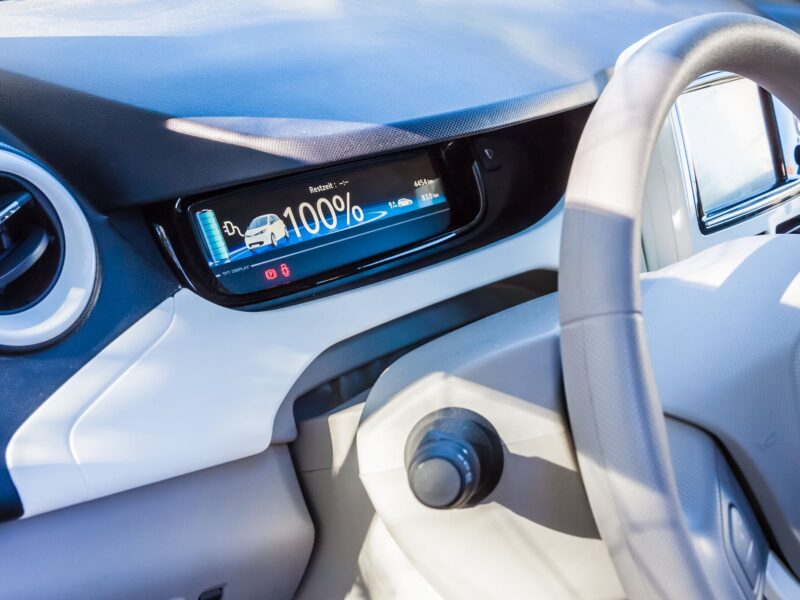
Charging your electric vehicle (EV) at home provides both convenience and cost-efficiency. The total cost of charging is largely influenced by your local electricity rates, which can vary significantly, from as low as $0.10 to as high as $0.30 per kilowatt-hour (kWh). This expense is determined by your utility provider and regional energy policies. In some places, Time-of-Use (TOU) rates may allow you to charge at lower prices during off-peak hours, which can further reduce your costs.
What Factors Affect the Cost of Charging Electric Cars at Home?
Several key factors influence the overall cost of charging your EV at home. The most significant factors are local electricity rates, battery capacity, and charging efficiency. For example, if you own a Tesla Model 3 with a 75 kWh battery and your local rate is $0.15/kWh, a full charge would cost approximately $11.25. Understanding your vehicle’s battery capacity is crucial—the higher the capacity, the more it will cost to fully charge, leading to increased overall expenses.
Additionally, the charging setup you have at home plays a pivotal role in efficiency. Level 2 chargers, which deliver approximately 240 volts, can charge EVs faster than standard Level 1 chargers, potentially reducing charging time and costs. In contrast, Level 1 chargers, while convenient, might lead to longer charging times and potentially higher costs if you opt to charge during peak hours.
How Do Electricity Rates Vary Across Regions?
Electricity rates can vary considerably depending on the region. For instance, residential rates in California can reach $0.30/kWh, while states in the Midwest average around $0.12/kWh. This geographical discrepancy can make a notable difference in annual charging costs. Detailed comparisons show that a driver in California could spend nearly 2.5 times more for the same charging regimen as a driver in Illinois.
Understanding these regional differences is key for prospective EV owners. Not only does the price of electricity impact your direct charging costs, but it also affects the long-term savings of switching to an electric vehicle. In places where utilities offer lower rates or rebates for EV charging, potential savings could be substantial, highlighting the importance of researching local energy policies before investing in an electric vehicle.
Can I Estimate My Annual Charging Costs?
Estimating annual charging costs can provide insight into the budget required for owning an electric vehicle. For example, if you drive an average of 10,000 miles per year in a Nissan Leaf with an efficiency rating of about 4 miles per kWh, you would consume approximately 2,500 kWh annually. Utilizing an average electricity rate of $0.15/kWh, your estimated total charging cost would be around $375. These estimates can significantly influence your decision-making process.
Factors like driving habits and charging practices also play a role in these calculations. If you primarily charge during off-peak times, the costs can reduce even further. Being aware of the usage patterns and their effects on billing will allow users to plan budgets more effectively. Understanding local electricity rates and the efficiency of your vehicle can lead to substantial savings over time.
Comparative Cost Analysis of Charging vs. Gasoline
| Factor | Electric Vehicle | Gasoline Vehicle |
|---|---|---|
| Electricity Cost (per kWh) | $0.10 – $0.30 | N/A |
| Efficiency (miles per kWh) | 3 – 4 | N/A |
| Mileage Cost per 100 miles | $2.50 – $7.50 | $12 – $15 (at $3 per gallon) |
For further insights, exploring the cost analysis of charging an EV versus traditional gasoline expenses can be beneficial as it highlights the long-term financial implications of owning an electric vehicle. For a more in-depth exploration, visit our article on Understanding the Costs of Charging Your Electric Vehicle.