New car warranties are pivotal in protecting your financial investment, particularly by covering various vehicle components for a defined duration. Understanding the distinctions between bumper-to-bumper and powertrain warranties is essential for prospective new car buyers in 2026, as these warranties define the extent of coverage and the peace of mind that accompanies your vehicle purchase.
What Is a Bumper-to-Bumper Warranty?
A bumper-to-bumper warranty typically covers an extensive range of components, from the front bumper to the rear bumper of the vehicle. Generally, this warranty lasts for 3 to 5 years or covers 36,000 to 60,000 miles, whichever limit is reached first. For example, a brand-new 2023 Honda Accord usually comes with a bumper-to-bumper warranty of 3 years/36,000 miles, ensuring significant coverage for critical vehicle parts against manufacturing defects.
However, it’s important to note that bumper-to-bumper warranties generally exclude wear-and-tear items. Components such as tires, brake pads, and wiper blades are usually not covered under this warranty. This exclusion may lead to unexpected repair costs, making it crucial for buyers to understand the limits of their bumper-to-bumper coverage when budgeting for vehicle upkeep.
Many consumers mistakenly believe that bumper-to-bumper warranties provide an all-encompassing shield against problems. In reality, significant exclusions exist, such as issues arising from automobile modifications or misuse. It is vital to meticulously review the warranty booklet provided by the manufacturer to fully grasp what parts and services are included.
What Is a Powertrain Warranty?
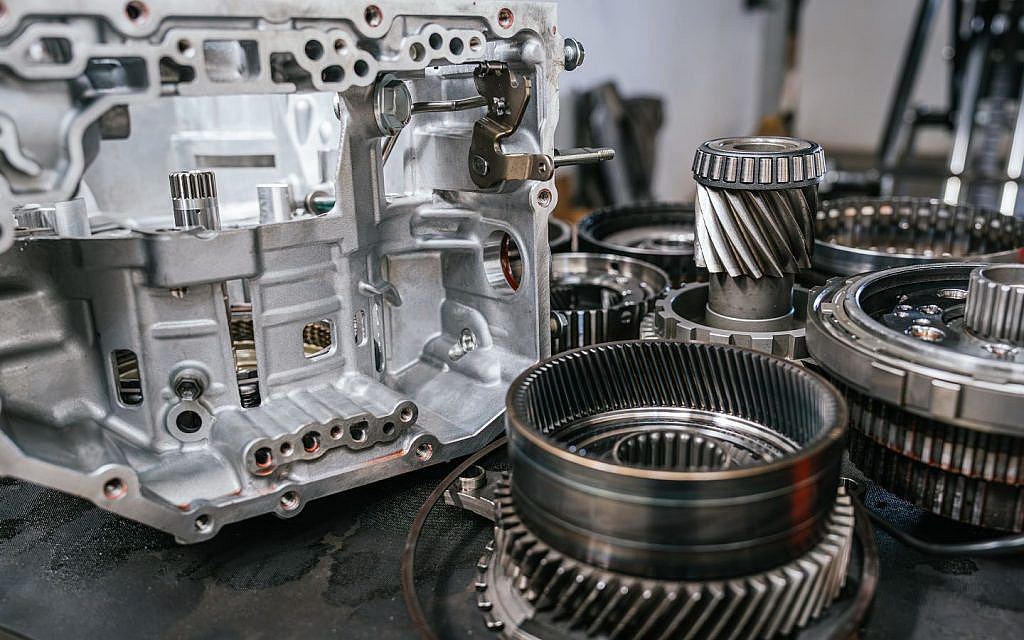
The powertrain warranty, in contrast, focuses explicitly on the essential components that power the vehicle: the engine, transmission, and drivetrain. Powertrain warranties usually last longer compared to bumper-to-bumper warranties, often spanning from 5 years up to 10 years or more, and can extend coverage up to 100,000 miles. For instance, the powertrain warranty for a 2023 Ford F-150 is typically 5 years/60,000 miles, emphasizing coverage for its engine and transmission under normal driving conditions.
This warranty is particularly valuable, as repairs or replacements of powertrain components can be significantly more expensive than cosmetic repairs covered by bumper-to-bumper plans. Average costs for replacing a transmission can run from $1,800 to over $3,000, making strong powertrain coverage a deciding factor when selecting a new vehicle.
Understanding the distinct aspects of a powertrain warranty helps buyers make informed decisions. Each manufacturer may offer different terms, which can influence the consumer’s long-term financial planning and vehicle maintenance strategies.
How Do Bumper-to-Bumper and Powertrain Warranties Compare?
| Warranty Type | Coverage Duration | Typical Coverage | Examples |
|---|---|---|---|
| Bumper-to-Bumper | 3-5 years / 36,000-60,000 miles | All major components excluding wear-and-tear items | 2023 Honda Accord, 2023 Toyota Camry |
| Powertrain | 5-10 years / 60,000-100,000 miles | Engine, transmission, drivetrain components | 2023 Ford F-150, 2023 Chevrolet Silverado |
What Additional Warranties Should You Consider?
In addition to manufacturer warranties, car buyers may find value in considering extended warranties or service contracts. These alternatives provide comprehensive coverage that extends beyond the manufacturer’s warranty timeline, which is particularly beneficial as vehicles age and repairs become more frequent.
Extended warranties often cost between $1,000 to $3,000, depending on the coverage level and duration. These warranties can protect against unexpected repair costs, offering better financial security and peace of mind for the vehicle owner, especially as the vehicle surpasses its original warranty period.
Buyers should also explore specific vehicle warranties tailored to the unique needs of electric and hybrid cars. For instance, electric vehicle battery warranties are crucial due to replacement costs that can range between $3,000 and $7,000, significantly influencing overall ownership expenses. Comprehensive knowledge of these warranty options equips buyers with the necessary tools for making informed purchasing decisions.
How Do Warranties Vary Among Manufacturers?
It’s essential to recognize that warranty terms can differ substantially among manufacturers. Tesla offers one of the most comprehensive warranties for its Model S, providing an 8-year or 150,000-mile battery and drivetrain warranty, reflective of the high technology embedded in electric vehicles. Conversely, certain manufacturers may have more limited warranty offerings that require careful consideration when selecting a new vehicle.
Researching manufacturer’s warranty terms can lead to significant savings down the line. Some domestic models may offer shorter warranty periods but come with various extended options; contrastingly, brands like BMW may present longer warranty durations but at a higher cost. Buyers should carefully investigate the implications of each warranty to ensure their purchase aligns with personal needs and budget.
The landscape of new car warranties is intricate, with numerous variables impacting the final decision-making process for consumers. Through diligent research and understanding of warranty offerings, buyers can secure a more favorable ownership experience and long-term satisfaction.