The future of hydrogen fuel cell vehicles (FCEVs) in 2026 looks promising, marked by technological advancements and increased availability in various markets.
What will be the key advancements in Hydrogen Fuel Cell Technology by 2026?
By 2026, significant improvements in hydrogen fuel cell technology are expected, particularly with the Proton Exchange Membrane (PEM) fuel cell stack. This technology will likely achieve higher energy densities and improve overall efficiency, potentially reaching upwards of 60% efficiency in converting hydrogen to electricity.
How will the availability of hydrogen fueling stations change by 2026?
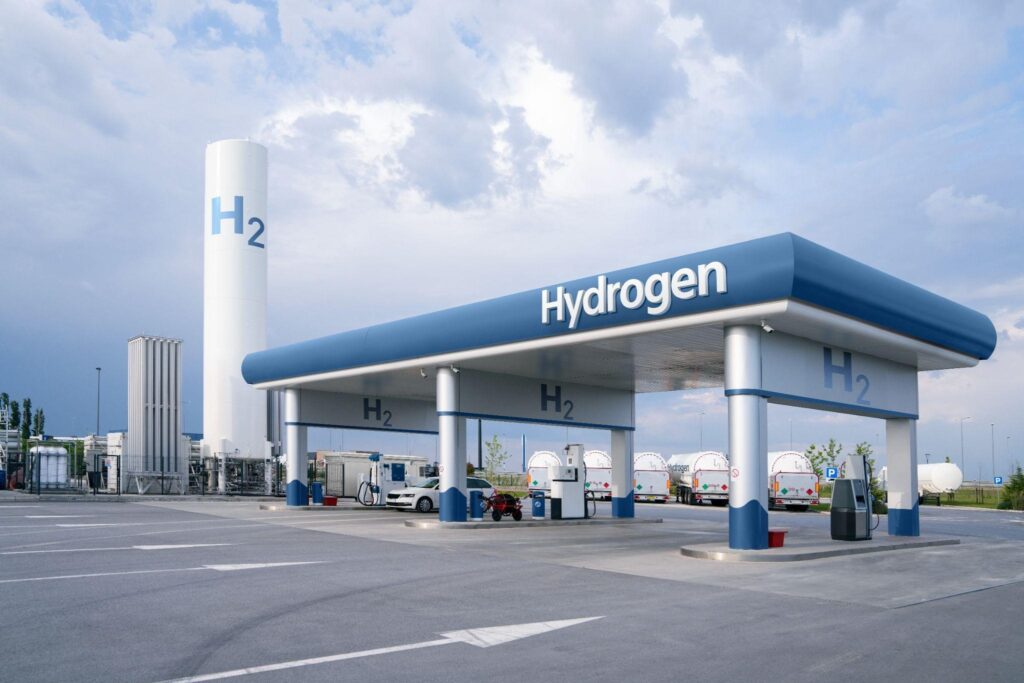
Availability of hydrogen refueling stations is projected to quadruple by 2026, with targets set to establish over 1,000 stations across key regions in the United States and Europe. This expansion is crucial for enhancing the practicality of FCEVs.
Which manufacturers are leading the charge in hydrogen fuel cell vehicles?
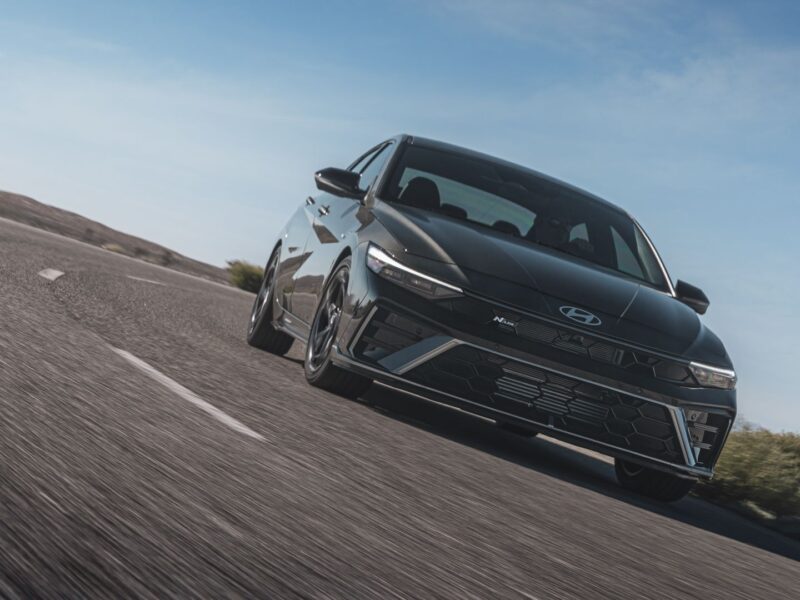
Leading automotive manufacturers include Toyota, Hyundai, and Honda, all of whom are investing heavily in FCEV models for 2026. New models are expected to integrate advances in safety, range, and overall driving experience.
What safety features will be integrated into Hydrogen Fuel Cell Vehicles in 2026?
Safety features are key considerations for FCEVs in 2026. Advanced Driver Assistance Systems (ADAS) will be standard, along with improved crash test ratings expected through rigorous assessments by agencies like NHTSA and IIHS, as detailed in the article on New Car Safety Ratings & Advanced Features for 2026 Models.
What are the performance specifications of upcoming Hydrogen Fuel Cell Vehicles?
| Vehicle Model | Power Output (kW) | Range (miles) | Charging Time (minutes) |
|---|---|---|---|
| Toyota Mirai 2026 | 155 | 400 | 5 |
| Hyundai Nexo 2026 | 95 | 370 | 5 |
| Honda Clarity FCEV 2026 | 130 | 360 | 3 |
What challenges will Hydrogen Fuel Cell Vehicles face in 2026?
Despite their advantages, FCEVs will face challenges such as high production costs and public perceptions regarding hydrogen safety. Additionally, competition from Battery Electric Vehicles (BEVs) will intensify, as discussed in Hydrogen Fuel Cell vs. Battery Electric Vehicles: Which is the Real Future of 2026?.
FAQs
What is the expected market share of hydrogen fuel cell vehicles by 2026?
By 2026, hydrogen fuel cell vehicles are expected to capture approximately 10% of the total electric vehicle market, driven by increased consumer awareness and infrastructure development.
Will hydrogen fuel cell technology surpass battery electric technology?
While both technologies are advancing, hydrogen fuel cells are likely to thrive in commercial areas and heavy-duty applications, whereas battery electric vehicles will dominate personal transport.
Is the hydrogen production process environmentally friendly?
The environmental impact of hydrogen production varies widely; however, green hydrogen generated from renewable sources is expected to become more prevalent, enhancing sustainability in FCEVs.
Conclusion: What is the outlook for Hydrogen Fuel Cell Vehicles in 2026?
The outlook for hydrogen fuel cell vehicles in 2026 appears bright, with advancements in technology, safety, and availability set to transform the landscape of personal and commercial transportation.