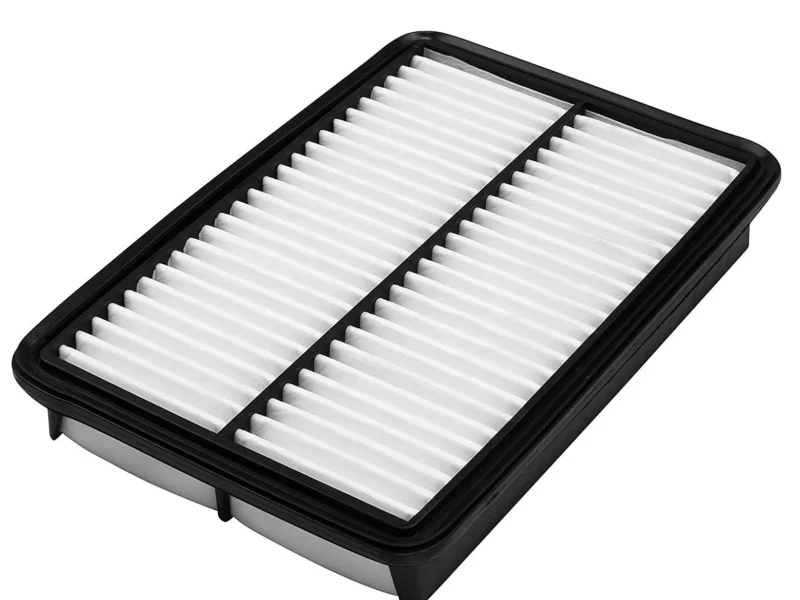
Identifying the best cabin air filter for allergies is essential for improving air quality and comfort in your vehicle.
What are HEPA Cabin Air Filters and Why are They Important?
HEPA, or High-Efficiency Particulate Air filters, are designed to trap a significant amount of small particles, improving both air quality and health within the cabin of your vehicle. These filters must meet specific standards, including capturing at least 99.97% of particles that are 0.3 microns in size.
In a car context, a HEPA cabin air filter is crucial for preventing allergens such as pollen, dust mites, mold spores, and even pet dander from entering the vehicle’s interior. Higher-quality cabin air filters also come equipped with additional layers to neutralize odors and harmful gases, ensuring a healthier environment for all occupants.
With rising concerns about allergies and respiratory issues, implementing HEPA filters in your vehicle has become more than a convenience—it’s a necessity. This enhanced filtration ensures that you breathe cleaner air while on the road, particularly if you often travel in urban or heavily polluted areas.
Top 6 HEPA Cabin Air Filters for Allergy Sufferers
| Filter Model | HEPA Certification | Filter Life (miles) | Price Range (USD) | Special Features |
|---|---|---|---|---|
| FRAM Fresh Breeze | MERV 13 | 12,000 | 29.99 | Activated Carbon Layer |
| EPAuto CP134 | MERV 12 | 15,000 | 24.99 | 99% Removal of Allergens |
| K&N VF2042 | MERV 14 | 50,000 | 54.99 | Reusable Filter |
| Bosch HEPA Filter | MERV 15 | 18,000 | 39.99 | QuietFlow Technology |
| MicroGard MG105 | MERV 13 | 12,000 | 19.99 | Odor-eliminating Carbon |
| ACDelco A3261C | MERV 12 | 20,000 | 32.99 | Prevention of Smells and Allergens |
How HEPA Filters Improve Your Driving Experience
Using a HEPA cabin air filter significantly enhances the driving experience by ensuring that the air circulated within the vehicle is free from allergens and pollutants. This not only provides comfort for allergy sufferers, but also creates a healthier environment for all passengers.
A clean cabin air filter can also enhance the efficiency of your HVAC system, leading to better defrosting and cooling capabilities. Drivers may notice that their air conditioning systems require less energy to maintain comfortable temperatures, resulting in potentially better fuel economy.
The performance of a HEPA filter can directly impact your overall driving conditions, particularly in highly congested urban areas where exhaust and airborne pollutants are common. Regularly replacing your HEPA cabin air filter can prevent the buildup of allergens, providing fresh air and cleaner breathing conditions.
Signs You Need to Replace Your Cabin Air Filter
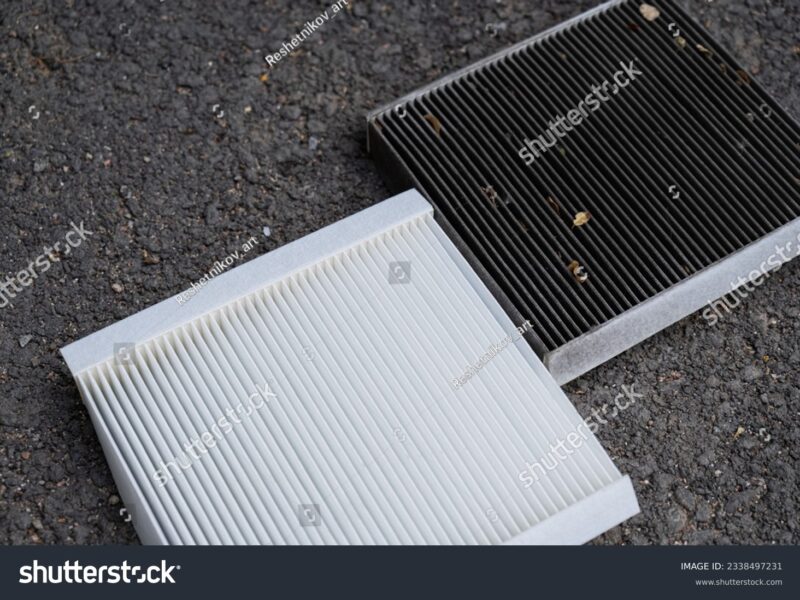
A clogged or damaged cabin air filter can lead to reduced airflow, unpleasant odors, and poor air quality. Observing warning signs early with your cabin air filter is crucial to maintaining vehicle performance and occupant health.
Some key indicators that your cabin air filter may need replacement include:
- Increased difficulty in airflow from the air conditioning or heating system.
- Unpleasant odors emanating from the vents.
- Visible dirt or particle buildup around the filter area.
For a deeper understanding of this topic, refer to our article on Warning Signs of a Bad Cabin Air Filter and When to Replace It.
How Often Should You Replace Your HEPA Cabin Air Filter?
To maintain optimal performance, most manufacturers recommend replacing your HEPA cabin air filter every 12,000 to 15,000 miles, although this can vary based on driving conditions and the level of pollutants in your area. For instance, if you frequently drive in industrial or urban areas, you should consider changing your filter more often.
Consult your vehicle’s owner manual for specific recommendations related to filter replacement. Regular maintenance will not only enhance your vehicle’s air quality but also extend the life of your HVAC system.
For further insights on the types of car air filters and their roles, visit our article on Understanding Different Types of Car Air Filters: Which One is Right for Your Vehicle?.
FAQs
What is a HEPA cabin air filter?
A HEPA cabin air filter is a type of air filter designed to meet stringent filtration standards, capable of removing at least 99.97% of airborne particles that are 0.3 microns or larger. This helps improve the air quality inside your vehicle.
How do I know if my cabin air filter is HEPA?
Look for filters that explicitly state “HEPA” on the packaging or product description. Check the MERV rating; a rating of 13 or higher typically indicates HEPA-level filtration.
Are HEPA filters worth the investment for my vehicle?
Yes, especially if you or your passengers suffer from allergies or respiratory issues. HEPA filters significantly improve air quality, minimize exposure to allergens, and can enhance the comfort of your driving experience.
Can I wash and reuse a HEPA cabin air filter?
No, HEPA cabin air filters are typically not designed to be washed. Once they become clogged, they should be replaced according to the manufacturer’s recommendations.
Where can I purchase HEPA cabin air filters?
HEPA cabin air filters can be purchased at auto parts stores, online retailers, or directly from vehicle manufacturers. Always ensure you select a filter that is compatible with your specific vehicle model.