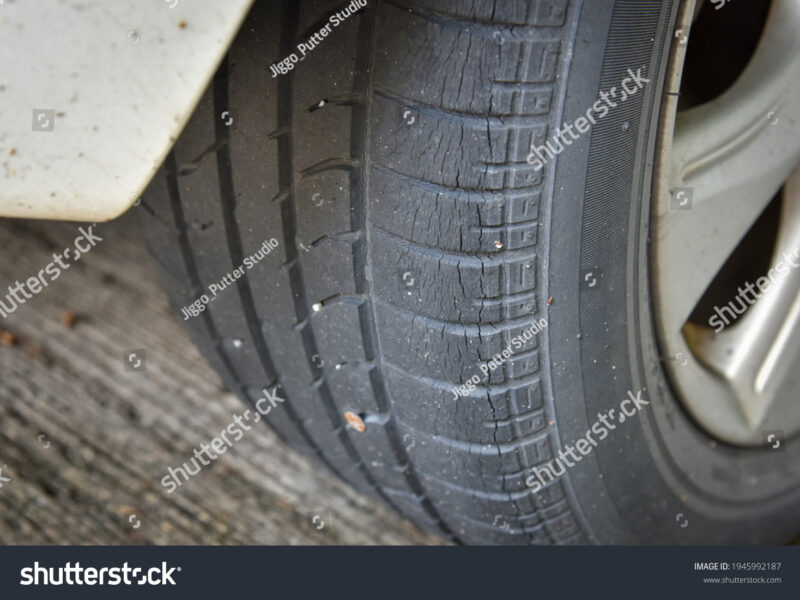
Imagine finding yourself stranded on a quiet roadside due to a flat tire. With the right DIY car tire repair kit, you can turn a potential crisis into a manageable situation. This essential kit enables you to tackle unexpected flat tires effectively, restoring your mobility and confidence on the road.
Creating your own tire repair kit not only ensures it meets your specific needs but also empowers you with the knowledge and tools to perform quick repairs. With a portable collection of equipment like a reamer, insertion tool, rubber plugs, and a portable air compressor, you’re equipped for any flat tire scenario. This customized emergency kit grants you peace of mind, whether on a daily commute or an adventurous road trip.
What are the essential components to include when building your car tire repair kit?
Building a dependable car tire repair kit means understanding which components are vital for effective roadside assistance. A fundamental kit typically includes a reamer, an insertion tool, rubber repair plugs, rubber cement, and often, a portable air compressor. Each item plays a crucial role in addressing small punctures and ensuring your kit is ready for emergencies.
Focusing on high-quality tools is key. Not only do they ensure reliability during use, but they also contribute to the longevity of your repairs. Let’s look at the essential components you should include in your car tire repair kit.
| Component | Function | Description |
|---|---|---|
| Reamer Tool | Cleans and enlarges puncture | A rasp-like implement designed to prepare puncture holes for a secure repair. Essential for effective sealing. |
| Insertion Tool | Inserts repair plug | A needle-eye instrument that pushes the rubber plug into the prepared hole, ensuring a reliable tire repair. |
| Rubber Repair Plugs/Strings | Seals the puncture | Self-vulcanizing strips of rubber that fill and seal punctures, typically measuring 4-8 inches long. |
| Rubber Cement/Adhesive | Enhances seal (optional but recommended) | A bonding agent applied to the plug or hole to ensure an airtight seal, improving the repair’s durability. |
| Portable Air Compressor | Reinflates tire | An electric pump connected to your car’s 12V outlet, capable of restoring tire pressure up to 45-60 PSI. |
What are the steps to build your custom car tire repair kit?
Building your personalized tire repair kit is straightforward if you follow these essential steps. This process ensures you gather all necessary tools and materials, equipping you for any roadside emergencies and enhancing your driving peace of mind.
- Assess Your Vehicle & Needs: Start by considering your tires (standard, run-flat) and common driving conditions you encounter. This will guide your selection of tools and quantities for the optimal kit.
- Source High-Quality Tools: Invest in durable tools like reamers and insertion devices. Remember, subpar tools can complicate repairs—look for options with comfortable, non-slip handles.
- Select Appropriate Repair Plugs: Choose rubber plugs noted for excellent sealing properties. Stock varying sizes (e.g., 4-inch and 6-inch) to accommodate different puncture dimensions.
- Include Rubber Cement: While self-vulcanizing plugs are effective, high-quality rubber cement can significantly improve your repair quality. Ensure it’s within its expiration date for maximum efficiency.
- Add a Reliable Portable Air Compressor: A compact 12V air compressor is crucial for reinflating tires to the recommended pressure (typically 30-35 PSI). Regularly test it to confirm functionality.
- Don’t Forget Ancillary Items: Include useful extras like sturdy pliers (for object removal), a utility knife (to trim excess plug material), durable work gloves (for protection and grip), and a flashlight (for nighttime use).
- Choose a Sturdy Storage Container: Opt for a compact, durable, and weather-resistant bag or toolbox to keep all components organized and accessible.
- Familiarize Yourself with Usage: Learn how to use the kit effectively. Understanding the repair process can save crucial time during an emergency.
- Regularly Inspect and Replenish: Check your kit every 6-12 months for expired products or missing tools, ensuring your preparedness is always intact.
How does a tire repair kit function to seal a puncture?
A tire repair kit operates by establishing a mechanical and chemical seal within the tire’s tread. This process involves preparing the puncture, inserting a sealing plug, and reinflating the tire to the correct pressure. This temporary fix allows continued travel to a professional service center where a permanent solution can be applied.
What are the steps for using a plug-style tire repair kit?
Utilizing a plug-style tire repair kit requires a systematic approach to ensure a secure and reliable temporary seal for the damaged tire. Here are the steps you need to follow:
- Locate the Puncture: Identify and remove the object causing the puncture using pliers.
- Prepare the Hole: Clean and widen the opening with the reamer tool to accommodate the plug.
- Insert the Plug: Thread a rubber repair plug through the insertion tool, apply rubber cement if specified, and push the tool firmly into the puncture.
- Remove the Tool: Pull the insertion tool away quickly to leave the repair plug securely in place.
- Trim Excess Plug: Using a utility knife, trim any plug material flush with the tire tread.
- Reinflate the Tire: Use your portable air compressor to restore the tire to the recommended pressure.
- Check for Leaks: Apply soapy water to the repaired area; bubbling indicates air leakage.
What are the different types of tire repair kits available?
Tire repair kits vary based on their sealing mechanism and the specific needs they address. Here’s a breakdown of the most prevalent types you might consider for your car tire repair kit:
- String Plug Kits: These kits utilize sticky rubberized cords that are inserted into the puncture, effective for small tread punctures (up to 1/4 inch / 6mm).
- Sealant and Compressor Kits: Inject a liquid sealant into the tire, which coats the inside and seals punctures. Often quicker to deploy, these kits come with a compressor for reinflation.
- Combination Kits: These versatile options include both string plugs and sealant systems, allowing you to choose the best repair method based on the damage encountered.
When is a tire repair kit an appropriate solution for a flat tire?
Utilizing a tire repair kit is appropriate for small punctures up to 1/4 inch (6mm) located within the tread area. This temporary solution allows you to regain mobility and reach a professional repair facility safely.
What are the limitations and disadvantages of using a tire repair kit?
While tire repair kits are incredibly useful, they do come with limitations that restrict their application in certain scenarios. Understanding these constraints is crucial when building your car tire repair kit:
- Sidewall Damage: Kits cannot repair punctures or cuts in the sidewall due to the structural demands in that area.
- Large Punctures: Damage exceeding 1/4 inch (6mm) typically exceeds the capability of standard repair kits.
- Run-Flat Tires: Some run-flat tires may not be suitable for sealant repairs, so check your vehicle’s manual.
- Temporary Solution: Repairs are designed to last up to 50-100 miles, following which professional assessment is necessary.
- TPMS Interference: Liquid sealants can clog tire pressure monitoring systems, leading to costly sensor replacements.
- Reduced Tire Life: Temporary plugs do not restore full tire integrity, affecting safety and longevity.
- Safety Concerns: Improperly applied repairs can lead to tire failure, especially at high speeds.
How does a tire repair kit compare to a spare tire?
Understanding the differences between a tire repair kit and a spare tire can help you decide which is best for your needs, or whether to carry both for comprehensive preparedness:
| Feature | Tire Repair Kit | Spare Tire |
|---|---|---|
| Repair Type | Temporary seal | Full tire replacement |
| Time Required | Typically 10-20 minutes | Typically 15-30 minutes |
| Effort | Minimal, no heavy lifting | Moderate, involves lifting the vehicle and tire (approx. 20-50 lbs) |
| Puncture Limitations | Small tread punctures only (up to 1/4 inch / 6mm) | Addresses any type of flat tire (within spare’s capabilities) |
| Storage Space | Compact, takes little space (e.g., 6x4x2 inches) | Bulky, requires dedicated trunk space (e.g., 24x24x8 inches) |
| Cost | Low initial cost (for building your own, approx. $20-$50) | Higher initial cost (tire + wheel, approx. $150-$500) |
| Post-Repair Action | Immediate professional repair/replacement needed (within 50-100 miles) | Can drive longer distances; full-size spare is ideal for long-term use |
| Safety | Requires caution, temporary speed limits (e.g., max 50 mph / 80 km/h) | Generally safer, but space savers have specific limits |
What is the shelf life and maintenance of a car tire repair kit?
The longevity and effectiveness of your tire repair kit are directly related to its components’ shelf life and the care you provide. Regular inspection and proper storage keep your DIY kit ready for emergency use:
- Sealants: Typically have a shelf life of 4-10 years, with expiration dates printed on the canister.
- Rubber Cement: Should be checked periodically for hardness; replace if it has dried out.
- Rubber Plugs: Inspect for cracks and store in a cool, dry place to maintain effectiveness.
- Compressor: Test annually to ensure it operates correctly, keeping an eye on power cables for wear.
- Storage: Store your kit in a vehicle trunk, avoiding extreme temperatures to prolong component life.
Can a tire repair kit permanently fix a flat tire?
No, a tire repair kit is only intended for temporary fixes, allowing you to safely reach a professional service shop for a permanent solution. Professional technicians provide repairs that adhere to safety standards, unlike those from a car tire repair kit.
Is it safe to drive at normal speeds after using a tire repair kit?
Most manufacturers advise maintaining a reduced speed of no more than 50 mph (80 km/h) after using a tire repair kit, with a driving distance limitation of 50-100 miles. Exceeding these recommendations can lead to ineffective repairs or further tire damage.
Will a tire repair kit work on all types of tire damage?
A tire repair kit is primarily effective for small punctures (under 1/4 inch or 6mm) within the tread. It is not suitable for significant damage on sidewalls, large gashes, or any punctures that threaten the tire’s integrity. Recognizing these limitations is critical for effective roadside repairs.