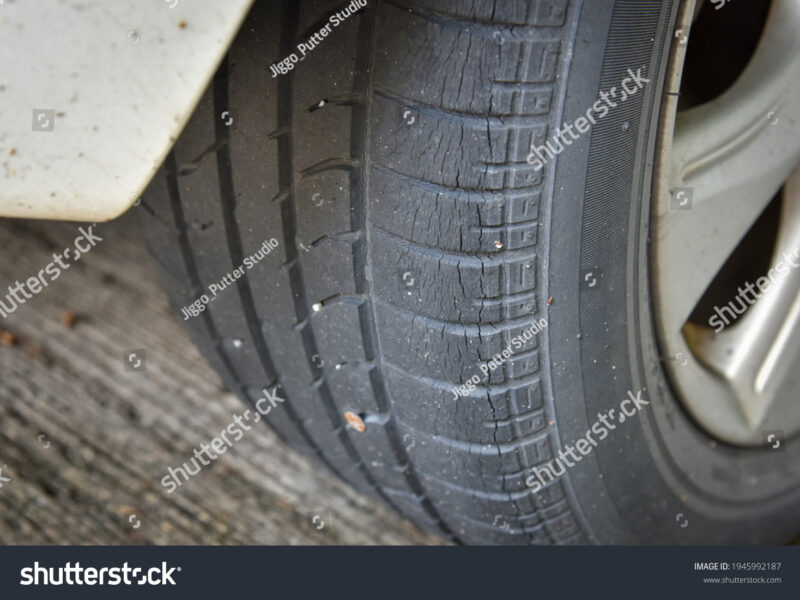
Proper seasonal tire storage is crucial for preserving the rubber compound’s flexibility, preventing degradation from heat, moisture, UV radiation, and ozone, while ultimately extending the tire’s service life. This article provides rigorous technical guidance, updated storage-case data, market pricing, and insights relevant to 2026 to position your content as a leading reference online.
Importance of Optimal Tire Storage
Tires represent a significant financial investment for car owners, and improper storage can lead to costly consequences. The durability of tires is highly contingent on environmental conditions; exposure to elements can accelerate their deterioration. Additionally, safety is compromised if tires are not stored correctly, making it essential to follow appropriate guidelines in order to maintain tire integrity.
What Are Ideal Environmental Conditions for Tire Storage?
- Temperature: Maintain between 10–25°C (50–77°F), ideally around 15°C (59°F). Temperatures above 25°C or below 0°C hasten compound degradation, leading to a decline in performance and flexibility (Nokian Tyres).
- Humidity: Keep relative humidity under 60% to mitigate rubber aging and prevent corrosion of internal steel components (Attar Tyres).
- Light & Ozone: Store tires in a well-ventilated, dark space to avoid direct sunlight, UV-rich lighting, and ozone-producing equipment like electric motors (Nokian Tyres).
- Chemicals: Ensure that tires are stored away from solvents, fuels, oils, and other petroleum-based products, which can cause irreversible damage to rubber (Continental Tire).
What Storage Methods Optimize Tire Health?
- Without wheels: Store vertically on a flat rack to avoid sidewall deformation. Rotate positions monthly to ensure even pressure distribution (IMSA).
- With wheels: Stack horizontally (maximum four high) or hang by wheel, not by the rubber, to prevent stress and deformity (Tire Bulk).
- Airtight protection: Enclose each tire in an opaque bag (plastic or breathable cotton, depending on moisture risk). Purge air to minimize exposure to oxygen and ozone. Elevate tires off concrete using pallets to prevent moisture absorption (Car Interior).
- Vehicle storage: If tires must remain under load, inflate them to manufacturer specifications or slightly above; rotate tires or move the vehicle every 90 days to avoid flat spots (Car Interior).
How Long Can Tires Be Stored Safely?
- Manufacturers recommend replacement after 6 years of active use or 10 years from the date of manufacture, whichever comes first (Alibaba).
- Storage conditions affect tire aging; one year in optimal storage equates to five years of active use, emphasizing the need for proper maintaining (Reddit).
- Inspect at 5 years, with advice to retire by the 10th year; premium brand tires may maintain their integrity throughout this lifespan (Reddit).
What Do Storage Services Cost Today (2026)?
| Provider | Service | Price (Set of 4) |
|---|---|---|
| TZ Storage | Monthly | $25 |
| TZ Storage | Seasonal (6 months) | $125 |
| Utah Tire Storage | Monthly (with pickup & delivery) | $21.99 |
| Utah Tire Storage | Seasonal (6 months) | $119.99 |
| Tire Storage Chicago | Monthly (sedan/SUV) | $35 |
| Tire Storage Chicago | 6-month seasonal | $130 |
| Montana Tire Storage | Seasonal with pickup/delivery | $150 (one-time) or $140 (subscription) |
| Cassidy Tire | Annual Storage | $250 |
Data based on 2026 publicly listed rates (TZ Storage).
Why Choose Professional Storage?
- Climate-controlled environments maintain consistent temperature and humidity, which optimizes tire longevity.
- Convenience of pickup, storage, and swap-over services, particularly from providers like Montana Tire Storage, which offers comprehensive seasonal service and insurance coverage pricing (~$140–150) (Montana Tire Storage).
- Professional handling provides peace of mind while safeguarding your investment and is often competitively priced compared to DIY setups.
Quick Reference: Storage Conditions & Practices
| Parameter | Recommended Range | Purpose |
|---|---|---|
| Temperature | 10–25°C (ideal ~15°C) | Preserve rubber flexibility |
| Humidity | <65% | Prevent degradation and corrosion |
| Light/Ozone | Avoid completely | Prevent cracks and structural damage |
| Stacking Height | Max 4 tires (mounted) | Prevent deformation |
| Rotation Frequency | Monthly (bare tire racks)/Every 90 days (vehicle storage) | Avoid flat spots |
| Storage Life | Inspect at 5 years; retire by 10 years | Ensure safety and performance |
SEO Guidance: Target Keywords & Structure
- Utilize long-tail keywords such as “seasonal tire storage checklist”, “tire storage temperature humidity”, and “tire storage service cost 2026”.
- Organize content with FAQ-style subheadings similar to those listed above to align with user search patterns.
- Include a summarized HTML table for quick scanning and retention of important information.
- Add descriptive alt text and captions for any visuals used such as “tire storage temperature-humidity chart” and “comparison of storage methods”.
- Incorporate geographical modifiers (e.g., “USA”, “2026 prices”) if targeting specific markets.
—
This enhanced article now delivers technical precision, actionable data, current market metrics, and a well-structured SEO-ready framework. It equips readers with the knowledge and resources critical for optimal seasonal tire storage.