Mastering public EV charging etiquette is crucial for ensuring a harmonious and efficient experience for all electric vehicle (EV) drivers as the adoption of electric mobility rapidly expands.
With 25% of new car sales projected to be electric vehicles (EVs) by 2026, understanding and adhering to a shared set of guidelines becomes paramount to prevent frustration, minimize wait times, and foster a cooperative charging environment. This guide provides comprehensive insights into the best practices for utilizing the public charging infrastructure, which is expected to feature over 200,000 public charging stations in the U.S. by 2026.
Understanding the Core Principles of EV Charging Etiquette
The foundation of effective public EV charging etiquette rests on a principle of shared access and considerate usage, often summarized as “charge when needed, not just because you can.” Public charging stations are a communal resource, not a private parking spot or a personal fuel pump.
This means drivers should only occupy a charging space for the duration necessary to achieve their desired charge level, especially at popular or high-demand locations. Recognizing that other drivers may be waiting is key to fostering a respectful community.
Avoiding the practice of “charging hogging,” where a vehicle remains plugged in long after reaching a full or sufficient charge, is critical for infrastructure efficiency. Such behavior can lead to unnecessary queues and frustration, undermining the convenience that EVs are meant to offer. Timely movement of your vehicle after charging completion is a fundamental courtesy that significantly impacts the availability of chargers for others.
As the electric car charging infrastructure continues to grow, with a significant increase in public charging stations anticipated, adherence to these core principles will ensure a smoother transition for all drivers. For more detailed insights into the broader charging landscape, refer to our article on Electric Car Charging Infrastructure: A Guide for New EV Owners in 2026.
Maximizing Charging Efficiency and Respecting Fellow Drivers
To maximize charging efficiency and demonstrate respect for other EV owners, several practical considerations should guide your behavior at public stations.
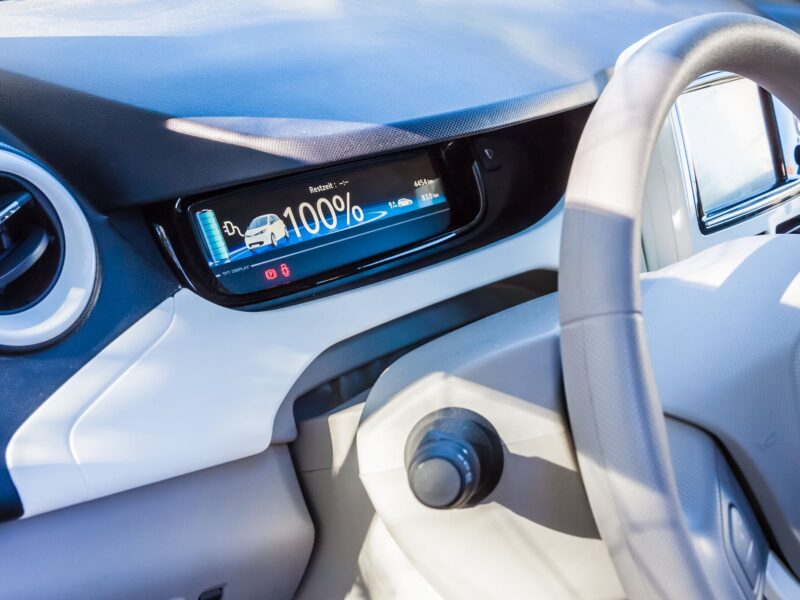
Firstly, prioritize charging when your battery genuinely requires it rather than simply “topping off” from a high state of charge. While it’s tempting to always charge to 100%, consider that most EVs charge fastest up to approximately 80% capacity, with charging speeds significantly tapering off thereafter. Aiming for 80% at a busy public charger allows others faster access to the station.
Secondly, be acutely aware of your charging duration. Many charging networks, particularly those offering DC Fast Charging, implement idle fees to discourage vehicles from remaining plugged in after charging is complete. These fees are designed to promote turnover and ensure fair access. Always return to your vehicle promptly to move it once your charging session is finished or when you’ve reached a sufficient charge for your immediate needs.
Leveraging EV charging applications on your smartphone can greatly assist in this. These apps often provide real-time updates on charger availability, charging status, and can notify you when your vehicle has completed its session. This proactive approach ensures you can retrieve your vehicle promptly, freeing up the spot for the next driver.
Navigating Different Charging Station Types with Courtesy
Understanding the nuances of different EV charging station types is vital for practicing proper etiquette, as each type serves distinct purposes and implies different expectations regarding charging duration. Public charging infrastructure typically includes Level 1, Level 2, and DC Fast Charging stations, each with varying power outputs and charging speeds.
Level 1 EV charging, utilizing a standard 120V AC outlet, is the slowest option, providing a power output ranging from 1.4 kW to 1.9 kW and adding approximately 3 to 5 miles of range per hour. Given its leisurely pace, Level 1 chargers are generally not found in public spaces where rapid turnover is expected, but if encountered (e.g., at certain workplaces or residential complexes), they are best suited for overnight or extended, multi-hour stays where the demand is low.
Level 2 EV charging stations are far more common in public locations like shopping centers, workplaces, and parking garages. These stations operate on a 240V circuit, delivering power typically between 3.3 kW and 19.2 kW, which can add 10 to 60 miles of range per hour. At these chargers, a full charge for a typical EV (e.g., a 75 kWh battery from 20% to 80%) might take approximately 6-8 hours. It’s courteous to monitor your charge and move your vehicle once adequately charged, especially during peak hours.
DC Fast Charging (also known as Level 3 charging) offers the fastest charging speeds, typically ranging from 50 kW to 350+ kW. These chargers can add 180 to 240 miles of range in about 30 minutes, or bring a typical EV from 10% to 80% charge in 20-60 minutes. Due to their high power output and rapid charging capabilities, these stations are designed for quick turnarounds and are crucial for long-distance travel. Extended stays at DC Fast Chargers are particularly frowned upon due to their high demand. For a deeper dive into the technical specifications of these charging types, consult our articles Understanding EV Charging Station Types: Level 1, 2, and DC Fast Charging and Understanding EV Charging Station Types: A Comprehensive Guide for Owners.
The Unwritten Rules of DC Fast Charging
DC Fast Charging stations are the backbone of long-distance EV travel and urgent top-offs, making adherence to a specific set of unwritten rules especially critical.
Given their rapid charging capabilities, these stations are intended for drivers who need to quickly replenish their battery to continue their journey. It’s widely considered poor etiquette to utilize a DC Fast Charger for an extended period, particularly if your vehicle’s battery is already above 80% state of charge. Beyond 80%, most EVs significantly reduce their acceptance rate to protect battery health, meaning the charger delivers less power while still occupying a high-demand spot.
Many charging network providers implement “idle fees” or “overstay fees” to discourage drivers from leaving their vehicles connected after charging is complete, typically after a grace period. These fees are a direct financial incentive to move your vehicle and ensure equitable access for others. Always check the specific policies of the charging network you are using.
If you encounter a line for DC Fast Charging, communicate with other waiting drivers about your expected charging time and charge level. This transparency helps manage expectations and fosters a more cooperative environment. Remember, the goal is to get enough charge to reach your next destination or a less-demanding charging option, not necessarily to reach 100% at a fast charger.
What to Do When a Charger is Occupied or Malfunctioning
Encountering an occupied or malfunctioning public EV charger requires patience and adherence to established courtesies to maintain a positive charging ecosystem.
If a charger is occupied, never unplug another vehicle unless there is an explicit note from the owner permitting it or the charging station’s rules clearly allow for such action and the vehicle is fully charged. Interfering with another vehicle’s charging session without permission can lead to significant inconvenience for the other driver and is generally considered unacceptable.
Instead, consider leaving a polite note on the windshield of the occupying vehicle with your contact information, indicating your need for the charger. Many EV drivers also use apps like PlugShare to communicate with each other, which can be an effective way to coordinate charging times or request that a fully charged vehicle be moved.
Should you find a charging station malfunctioning, the most important step is to report the issue to the charging network provider immediately. Most stations have a customer service number prominently displayed, often alongside a QR code for easy reporting via a smartphone app. Providing specific details about the issue (e.g., “charger 3 is offline” or “payment system error”) can help technicians resolve the problem more quickly. Also, update relevant charging apps to alert other drivers to the station’s status, preventing them from making a wasted trip.
Comparative Overview of EV Charging Types
Understanding the operational differences between various EV charging types is fundamental for efficient and courteous use of public infrastructure. The following table provides a clear comparison of Level 1, Level 2, and DC Fast Charging, highlighting their power output, typical range added per hour, and general use cases, assuming an average EV efficiency of 3-4 miles per kWh.
| Charging Type | Voltage (AC/DC) | Power Output (kW) | Range Added per Hour (Miles) | Typical Charging Time (75 kWh EV, 20-80% SoC) | Best Use Case |
|---|---|---|---|---|---|
| Level 1 | 120V AC | 1.4 – 1.9 | 3 – 5 | 25 – 30 hours | Overnight home charging, long-stay destination charging |
| Level 2 | 208-240V AC | 3.3 – 19.2 | 10 – 60 | 6 – 8 hours | Home, workplace, public charging during errands or longer stops |
| DC Fast Charging (Level 3) | 400-800V DC | 50 – 350+ | 100 – 300+ in 20-45 min | 20 – 60 minutes | Road trips, urgent top-offs, high-speed public charging |
FAQs on Public EV Charging Etiquette
How long should I typically charge my EV at a public Level 2 station?
At a public Level 2 charging station, it’s generally courteous to charge your EV only as long as necessary to meet your immediate driving needs or until you reach approximately 80% battery capacity. For a typical EV with a 75 kWh battery, charging from 20% to 80% might take 6 to 8 hours depending on the charger’s power output (e.g., a 7.2 kW charger).
Once your vehicle is sufficiently charged, or if you notice others waiting, it is best practice to move your car to a regular parking spot to free up the charger. Utilizing charging network apps that notify you upon charge completion can help you move your vehicle promptly.
Is it acceptable to unplug someone else’s EV if it’s fully charged?
No, it is generally not acceptable to unplug someone else’s EV, even if it appears fully charged, without explicit permission from the owner or clear signage from the charging station operator that permits it. Doing so can disrupt their charging schedule, trigger security alerts in their vehicle, or be seen as an act of vandalism.
If you urgently need a charger, try leaving a polite note with your contact information or using a charging app to communicate with the driver. Always prioritize respectful communication over unauthorized intervention.
What should I do if I see an Internal Combustion Engine (ICE) vehicle parked in an EV charging spot?
When an Internal Combustion Engine (ICE) vehicle is parked in an EV charging spot, it’s commonly referred to as being “ICEd.” This is frustrating as it prevents EVs from accessing necessary charging infrastructure. The best course of action is to politely inform the vehicle owner, if present and approachable, about the designated purpose of the spot.
If the owner is not present, avoid confrontation. Instead, report the incident to the property management or the parking authority, especially if the spot is clearly marked as “EV Charging Only” or “Tow Away Zone.” Many public charging areas have specific enforcement policies for such infractions.
Are there penalties for overstaying at a public EV charger?
Yes, many public EV charging networks, particularly those for DC Fast Charging, implement idle fees or overstay penalties. These fees are designed to encourage drivers to move their vehicles once their charging session is complete, especially after a brief grace period.
The exact penalty and grace period can vary significantly by network and location, so it’s always advisable to check the specific policies displayed at the charging station or within the associated charging application. These policies are crucial for maintaining charger availability and ensuring fair access for all users.