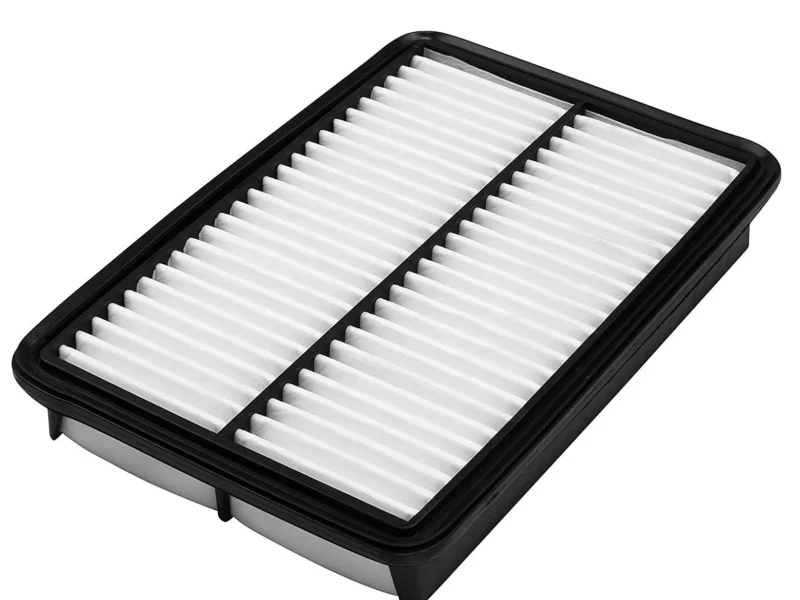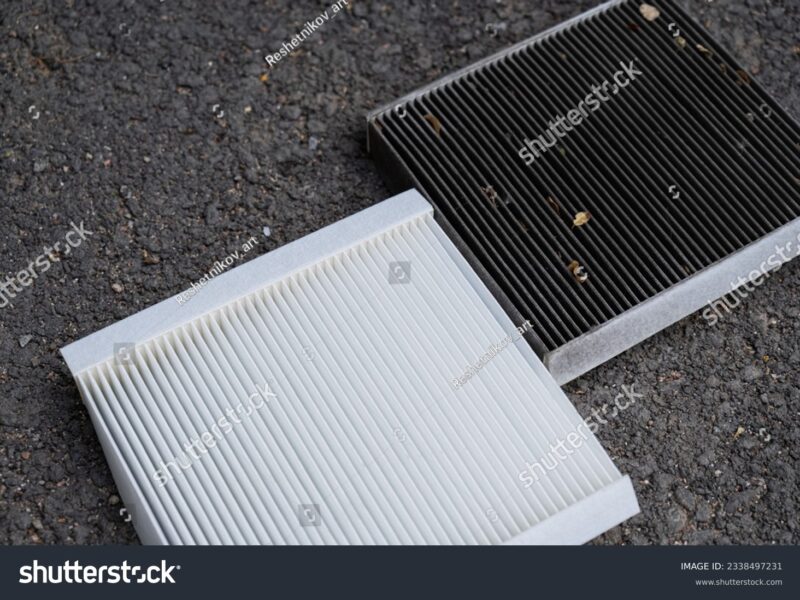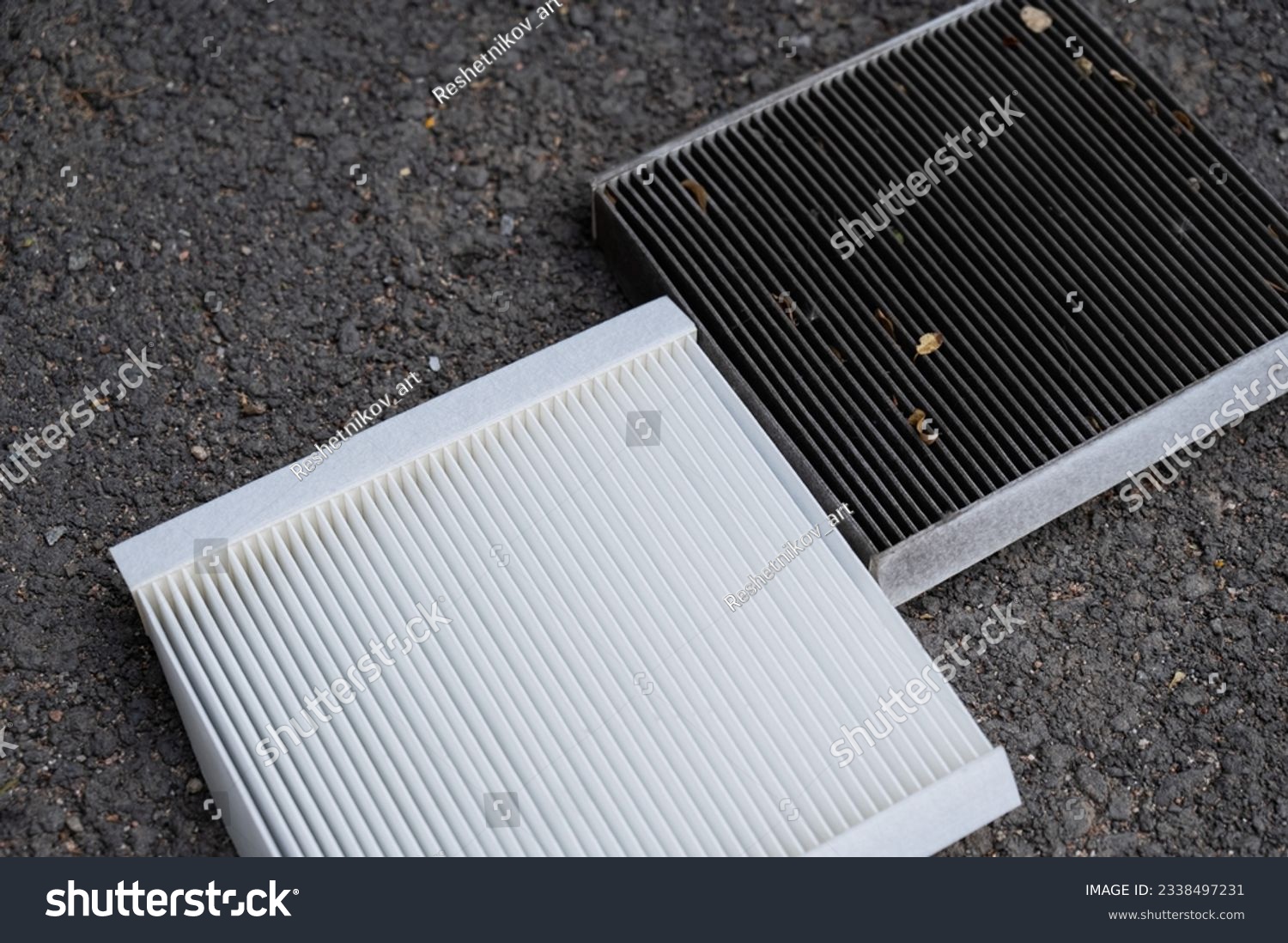
Recognizing the symptoms of a dirty cabin air filter is essential for maintaining optimal interior air quality and the efficiency of your vehicle’s climate control system. A clogged cabin air filter can significantly degrade your driving experience, leading to issues ranging from poor airflow to respiratory discomfort for occupants.
This critical component, often overlooked in routine maintenance, filters out dust, pollen, exhaust fumes, and other airborne contaminants before they enter your car’s cabin. Ignoring these warning signs can not only impact comfort but also potentially shorten the lifespan of your vehicle’s heating, ventilation, and air conditioning (HVAC) system.
What Are the Four Primary Warning Signs of a Dirty Cabin Air Filter?
Identifying a dirty cabin air filter early can prevent a cascade of related problems. The primary indicators are often subtle at first but become more pronounced as the filter’s capacity to trap particulates diminishes, leading to compromised performance and air quality.
One of the most common and immediate signs is a noticeable decrease in airflow from the AC vents. If you find yourself increasing the fan speed to maximum just to feel a gentle breeze, or if the air conditioning system struggles to maintain a comfortable temperature, it’s a strong indicator that the cabin air filter is clogged. This restriction in airflow means the HVAC system has to work harder, consuming more energy and potentially leading to premature wear of components.
Another clear warning sign is the presence of unpleasant odors within the vehicle’s cabin. As dust, leaves, insects, and moisture accumulate on a dirty cabin air filter, they can foster mold, mildew, and bacteria growth. These microorganisms produce distinctive musty or stale smells that can permeate the interior, making for an uncomfortable and potentially unhealthy environment. These odors are particularly noticeable when the AC system is first engaged.
A third crucial indicator is an increase in dust and particulate matter inside the cabin. The primary function of the cabin air filter is to prevent these contaminants from entering your breathing space. If you observe an unusual amount of dust accumulating on your dashboard, seats, or other interior surfaces shortly after cleaning, it suggests the filter is no longer effectively capturing airborne particles. This is especially problematic for individuals with allergies or asthma, as it exposes them to higher concentrations of allergens like pollen and dust mites.
Finally, diminished defrosting and defogging performance can signal a dirty cabin air filter. When the filter is heavily clogged, it restricts the flow of dry, conditioned air to the windshield, making it difficult to clear condensation, especially in humid or cold conditions. This not only impairs visibility but also poses a significant safety hazard. The reduced efficiency means your vehicle takes longer to clear the glass, which can be particularly frustrating during adverse weather conditions.
How Does a Clogged Cabin Air Filter Impact Your Vehicle’s Performance and Health?
A dirty cabin air filter’s impact extends beyond mere discomfort, directly affecting both the mechanical performance of your vehicle’s AC system and the health of its occupants. Understanding these ramifications underscores the importance of timely filter replacement.
Mechanically, a clogged cabin air filter forces your vehicle’s air conditioning (AC) system to work overtime. The fan motor, responsible for drawing air through the filter and into the cabin, must exert more effort to overcome the increased resistance of a dirty filter. This continuous strain can lead to premature wear and tear on the fan motor and other HVAC components, potentially resulting in costly repairs down the line. A new filter, in contrast, optimizes airflow, allowing the AC system to maintain a consistent and comfortable temperature with less strain on its components.
From a health perspective, the implications are even more critical. A compromised filter allows a greater influx of outdoor pollutants into the cabin, including smog, exhaust particulates, industrial dust, and seasonal allergens like tree pollen and ragweed. For drivers and passengers with allergies, asthma, or other respiratory sensitivities, this can trigger symptoms such as sneezing, coughing, watery eyes, and even exacerbate respiratory conditions. The cabin of your vehicle can become a high-exposure zone for these irritants if the filtration is inadequate.
Moreover, the accumulation of moisture and organic debris on a dirty filter creates an ideal breeding ground for mold, mildew, and bacteria. These microorganisms release spores and volatile organic compounds (VOCs) that contribute to unpleasant odors and can also be respiratory irritants. Prolonged exposure to these airborne biological contaminants can lead to headaches, fatigue, and other health issues, making the vehicle interior an unhealthy environment for long commutes or road trips.
Understanding Cabin Air Filter Replacement Intervals and Technical Standards
Adhering to recommended replacement schedules and understanding the technical specifications of cabin air filters are crucial for maintaining optimal air quality and HVAC system efficiency. These guidelines help ensure your vehicle’s filtration system performs effectively against external pollutants.
Most vehicle manufacturers recommend replacing your cabin air filter every 15,000 to 30,000 miles, or at least once a year, depending on driving conditions. For vehicles frequently operated in dusty environments, areas with high pollen counts, or urban settings with significant air pollution, more frequent replacement—perhaps every 6 months or 7,500 miles—is advisable. This proactive approach ensures that the filter never becomes so congested that it impairs airflow or compromises its filtration capabilities.
When selecting a replacement, consider the types of car air filters available, as not all offer the same level of protection. Standard cabin air filters are typically made of pleated paper or synthetic fibers and are effective at trapping larger particles. For enhanced filtration, particularly for those with allergies, carbon-activated cabin air filters utilize an additional layer of activated charcoal to absorb odors and harmful gases like ozone and nitrogen dioxide, offering a superior level of purification.
Advanced filters may also incorporate electrostatic properties or antimicrobial treatments to further enhance their ability to capture fine particulates and inhibit microbial growth. These premium options, while potentially more expensive, provide a significant upgrade in cabin air quality, especially for drivers who spend considerable time in their vehicles or live in highly polluted areas.
The Role of Filtration Technology: HEPA and MERV Ratings
Beyond basic filtration, specific technical standards like HEPA and MERV ratings provide a deeper insight into a cabin air filter’s efficiency. These ratings quantify a filter’s ability to capture airborne particles of varying sizes, allowing consumers to make informed choices based on their specific needs.
HEPA (High-Efficiency Particulate Air) filters are a gold standard in air purification, designed to capture at least 99.97% of airborne particles 0.3 microns in diameter. While full automotive HEPA filters are rare due to airflow limitations and cost, some premium cabin air filters claim “HEPA-like” performance, effectively trapping ultra-fine particles such as bacteria, viruses, and smoke. These are particularly beneficial for individuals with severe allergies, asthma, or compromised immune systems, offering a significant improvement over standard filters.
The MERV (Minimum Efficiency Reporting Value) rating system, ranging from 1 to 20, is more commonly used to indicate a filter’s efficiency in capturing particles between 0.3 and 10 microns. For automotive applications, cabin air filters typically fall within the MERV 8 to MERV 12 range. A higher MERV rating signifies greater filtration capability:
| MERV Rating Range | Filtration Capability | Common Applications |
|---|---|---|
| MERV 1-4 | Captures pollen, dust mites, carpet fibers (larger particles). | Standard home furnaces, some basic cabin filters. |
| MERV 5-8 | Captures mold spores, pet dander, cement dust. | Improved residential, commercial buildings, many OEM cabin filters. |
| MERV 9-12 | Captures lead dust, auto emissions, legionella, humidifier dust. | Superior residential, better commercial, premium cabin filters (e.g., activated carbon). |
| MERV 13-16 | Captures bacteria, sneezes, most smoke, nebulizer droplets. | Hospital inpatient, general surgery, some HEPA-like filters. |
Selecting a cabin air filter with a higher MERV rating, such as MERV 11 or 12, can substantially reduce exposure to common automotive pollutants and allergens. Some premium filters also incorporate activated carbon, which, while not directly measured by MERV, specifically targets volatile organic compounds (VOCs) and odors, enhancing overall air quality beyond particulate removal.
Brief Guide: Replacing Your Cabin Air Filter
Replacing a dirty cabin air filter is a relatively straightforward maintenance task that most vehicle owners can perform with minimal tools and effort. While specific steps may vary slightly by vehicle make and model, the general procedure is consistent across most modern cars, trucks, and SUVs.
The first step is to locate your cabin air filter. In most vehicles, it is situated behind the glove compartment, under the hood near the passenger side, or occasionally under the dashboard. Consult your vehicle’s owner’s manual for the exact location and specific instructions. You’ll typically need a Phillips head screwdriver or a small trim removal tool to access the filter housing.
Once you’ve located the housing, carefully open or unclip it. You will then be able to slide out the old, dirty cabin air filter. Take note of the direction of the airflow arrow on the old filter, as the new filter must be installed with the arrow pointing in the same direction, typically towards the rear of the vehicle. This ensures proper air circulation and filtration.
Insert the new cabin air filter, ensuring it fits snugly into the housing without bending or crumpling. Reattach the housing cover or clips, and then replace any trim panels or the glove compartment. This simple replacement, ideally performed every 15,000 to 30,000 miles or annually, can significantly improve your AC performance and overall cabin air quality.
FAQ
How often should I replace my cabin air filter?
You should replace your cabin air filter approximately every 15,000 to 30,000 miles, or at least once per year, depending on your driving conditions and manufacturer recommendations. If you frequently drive in dusty environments, areas with high pollen counts, or heavily polluted urban settings, it is advisable to replace it more frequently, perhaps every 6 months or 7,500 miles, to ensure optimal air quality and system efficiency. Regular checks are also beneficial, as a visible accumulation of debris or discoloration can indicate a need for early replacement.
Can a dirty cabin air filter affect fuel economy?
While a dirty cabin air filter does not directly impact engine performance or fuel economy like a clogged engine air filter, it can indirectly affect your vehicle’s overall efficiency. A severely clogged cabin air filter forces your AC system’s fan motor to work harder to push air through, leading to increased electrical load. This added strain on the electrical system can result in a slight increase in alternator output, which may marginally affect fuel consumption. More significantly, it can lead to premature wear on the fan motor, requiring costly repairs.
What is the difference between a cabin air filter and an engine air filter?
The main difference lies in their function and location. The cabin air filter is responsible for filtering the air that passengers breathe inside the vehicle, removing pollutants like dust, pollen, and odors from the air entering the HVAC system. It is typically located behind the glove compartment or under the hood. The engine air filter, conversely, filters the air that enters the engine for combustion, protecting vital engine components from harmful debris. It is usually found in a large housing on top or to the side of the engine and is crucial for engine performance and longevity.