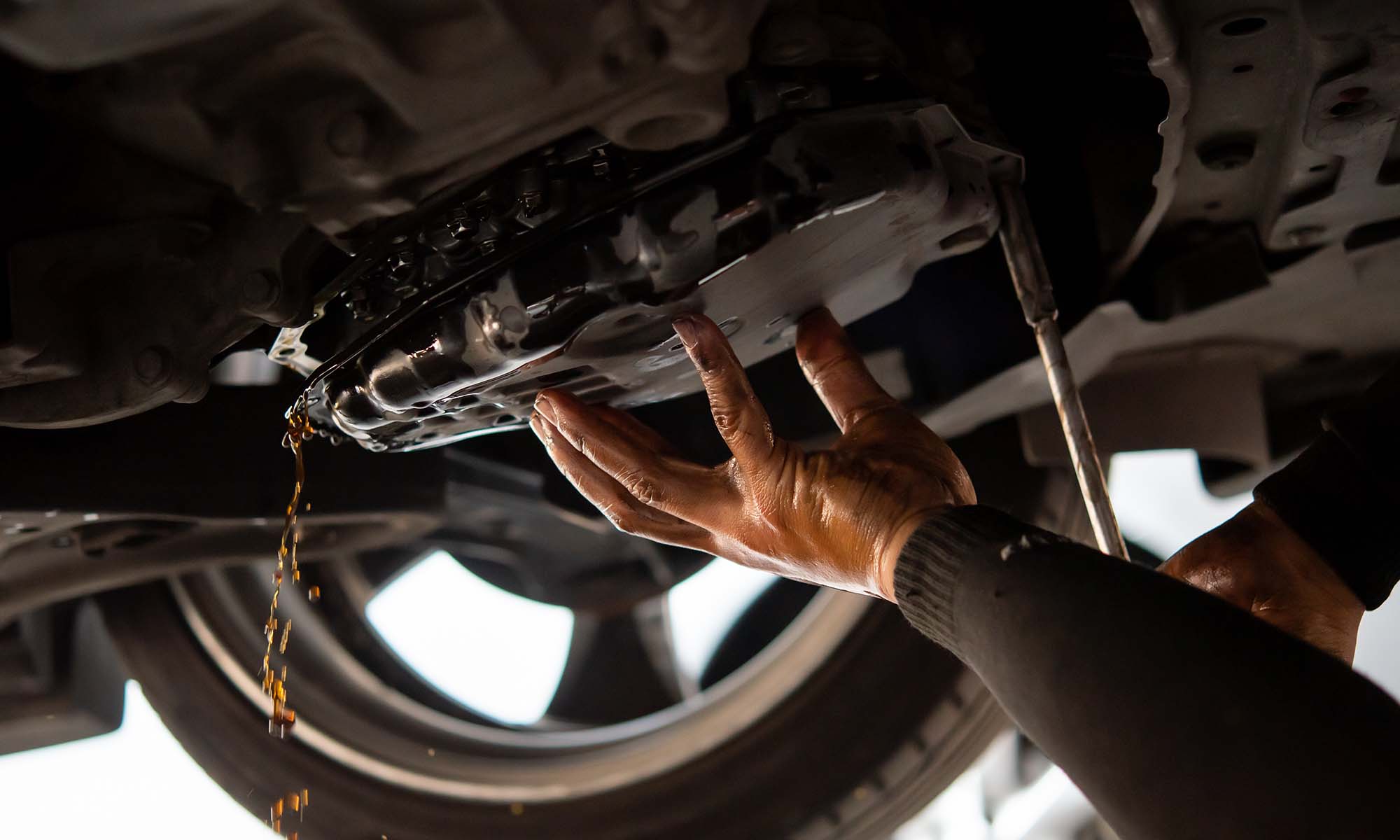
For optimal vehicle longevity and performance, transmission fluid should typically be changed every 60,000 to 100,000 miles for automatic transmissions and every 30,000 to 60,000 miles for manual transmissions under normal driving conditions. However, specific 2026 maintenance guidelines for your vehicle will vary based on manufacturer recommendations, driving conditions, and fluid type, often requiring more frequent service.
What are the Recommended Transmission Fluid Change Intervals for 2026?
The precise interval for transmission fluid replacement in 2026 depends significantly on the transmission type and the vehicle’s intended use. For most automatic transmissions, manufacturers generally recommend intervals between 60,000 and 100,000 miles for normal driving. However, this “lifetime” fluid designation often aligns with the warranty period of 125,000 to 150,000 miles, rather than the true operational lifespan of the fluid itself. Manual transmissions and transaxles typically require more frequent fluid changes, with recommended intervals ranging from 30,000 to 60,000 miles.
For example, a 2026 Ford F-150 with an automatic transmission typically requires a fluid change every 60,000 miles under normal conditions. Honda Civic models generally specify transmission fluid replacement every 45,000 miles. In contrast, some severe-duty applications or specific transmissions, like the GM 6L80E, recommend fluid and filter changes every 30,000 to 40,000 miles.
How Does Driving Style and Vehicle Application Influence Fluid Lifespan?
Driving conditions significantly impact transmission fluid degradation. Vehicles subjected to “severe service” conditions will require fluid changes at the lower end of the recommended mileage spectrum, often between 30,000 to 45,000 miles for automatic transmissions. These severe conditions include frequent towing or hauling, consistent stop-and-go traffic (especially in urban environments like Winston-Salem, NC, or Sonoma County, CA), extreme temperatures (above 90 degrees Fahrenheit), or driving in mountainous terrain.
For instance, a Ford Super Duty used for towing or off-road driving should have its transmission fluid and filter replaced at 60,000 miles. Similarly, for a Honda Civic SI engaging in high-RPM driving, fluid changes might be necessary every 15,000 to 25,000 miles. Such demanding conditions generate substantial heat and mechanical stress, which accelerate the oxidation and breakdown of the fluid’s essential additives. As explored in ‘Heavy-Duty Shifting: Top Transmission Upgrades for Towing and Hauling,’ significant improvements in a vehicle’s towing and hauling capacity necessitate specific transmission upgrades and optimal fluids that possess enhanced thermal stability and superior wear protection. [cite: Heavy-Duty Shifting: Top Transmission Upgrades for Towing and Hauling]
What Specific Conditions Mandate More Frequent Fluid Changes?
- Heavy Towing or Hauling: Reduces service interval to 30,000-45,000 miles for automatics and potentially 25,000 miles for manuals.
- Frequent Stop-and-Go Traffic: Requires fluid replacement closer to 30,000-40,000 miles due to increased heat and friction cycles.
- Extreme Climates (Hot or Hilly): Shortens the lifespan, necessitating changes around 30,000-40,000 miles.
- Off-Road Driving: Increases contamination and stress, leading to a 30,000-40,000 mile interval.
- High-Performance Driving: Aggressive driving with high RPMs can reduce intervals to 15,000-25,000 miles for some vehicles.
What Role Does Fluid Type Play in Maintenance Schedules?
The type of transmission fluid (MTF or ATF) directly influences its lifespan and the recommended service interval. Manual transmission fluid (MTF), also known as gear oil, is a specialized lubricant designed for manual gearboxes, transaxles, and differentials, formulated to lubricate gears, shafts, bearings, and synchronizers. [cite: DIY Guide: How to Change Manual Transmission Fluid] Conventional (petroleum-based) fluids generally degrade faster than synthetic formulations due to lower thermal stability and less robust additive packages. Synthetic fluids, such as DEXRON-VI or specific OEM synthetic gear oils, are chemically engineered for enhanced performance and durability, offering superior oxidation prevention, thermal stability, and friction modifiers.
For instance, DEXRON-III/MERCON fluids, formulated with a complex additive system, offer enhanced oxidation and thermal stability. DEXRON-VI full synthetic ATF is specifically recommended for newer, highly efficient transmissions and provides high thermal stability and excellent low-temperature performance. While conventional fluids might require changes around 25,000 miles, modern synthetics can extend intervals up to 50,000-100,000 miles under normal use. Using the incorrect fluid type can lead to premature degradation and transmission damage.
How Do I Perform a 2026 Transmission Fluid Level Check and Inspection?
Regular inspection of transmission fluid is crucial for detecting early signs of degradation. To accurately check the fluid level, park your vehicle on a level surface with the engine running and at operating temperature (approximately 185°F for many automatic transmissions, like the GM 6L80E). Locate the transmission dipstick, typically bright red or yellow, pull it out, and wipe it clean with a lint-free cloth. Reinsert it completely, then pull it out again to read the fluid level against the “Hot” or “Full” marks.
The color of your transmission fluid serves as a critical diagnostic indicator of its condition and the overall health of your vehicle’s transmission system. [cite: Transmission Fluid Color Chart: What the Color of Your Fluid Is Telling You] New, healthy transmission fluid is typically dyed a translucent bright red or pink. [cite: Transmission Fluid Color Chart: What the Color of Your Fluid Is Telling You, 42] Light brown or amber fluid after 30,000-50,000 miles indicates normal aging and suggests a change within 10,000 miles. Dark brown fluid signifies significant oxidation and additive depletion, requiring prompt service. Black fluid with a burnt smell reveals severe overheating and degradation, indicating a critical need for immediate attention.
What is the Process for a Manual Transmission Fluid Change?
A manual transmission fluid change involves replacing the old, degraded lubricant within a vehicle’s manual gearbox with fresh fluid to ensure optimal performance and longevity of the transmission components. This essential maintenance task lubricates gears, synchronizers, and bearings, reducing friction and heat. Performing this service extends the life of the manual transmission. For a comprehensive, step-by-step guide on this procedure, refer to our detailed article: DIY Guide: How to Change Manual Transmission Fluid. [cite: DIY Guide: How to Change Manual Transmission Fluid]
| Fluid Type/Specification | Primary Application | API Rating/Key Property | Thermal Stability (Typical Range) | Wear Protection Additives (Example) | Normal Service Interval (Miles) | Severe Service Interval (Miles) |
|---|---|---|---|---|---|---|
| DEXRON-VI Full Synthetic ATF | GM automatic transmissions (e.g., 6L80E), newer high-efficiency ATs | DEXRON-VI Licensed by GM, JASO 1A, Enhanced oxidation & thermal stability | >150°C (302°F) | Proprietary friction modifiers, anti-wear agents | 50,000-100,000 | 30,000-40,000 |
| MERCON V ATF | Ford automatic transmissions (e.g., F-150 post-1999) | Ford M2C185A (exceeds), Enhanced friction retention | >140°C (284°F) | Improved anti-wear protection | 60,000-100,000 | 30,000-60,000 (Ford F-150 severe) |
| API GL-4 Gear Oil | Manual transmissions, transaxles with yellow metals (brass/bronze synchronizers) | Up to 4.0% anti-scuffing additive, moderate EP protection | >120°C (248°F) | Sulfur/Phosphorus (deactivated, lower concentration to protect yellow metals) | 30,000-60,000 | 25,000-30,000 (intense use) |
| API GL-5 Gear Oil (SAE 75W-90) | Hypoid gears in differentials, automotive axles, some heavy-duty manual transmissions (without yellow metals) | Up to 6.5% anti-scuffing additive, high EP protection | >150°C (302°F) | Sulfur/Phosphorus (higher concentration, sacrificial layer) | 60,000-100,000 (differential) | 30,000-60,000 (heavy use) |
Frequently Asked Questions (FAQ)
Is “lifetime” transmission fluid truly lifetime for a 2026 vehicle?
“Lifetime” transmission fluid claims are typically marketing terms, often signifying the fluid is expected to last only for the vehicle’s warranty period (e.g., 125,000-150,000 miles), not the full lifespan of the vehicle. Regular changes, usually every 60,000-100,000 miles, are recommended to prevent premature transmission failure.
What are the immediate signs that my transmission fluid needs changing?
Immediate signs include delayed or rough shifting, grinding or whining noises, a burnt smell, and fluid that appears dark brown or black on the dipstick instead of its normal translucent red or pink.
Can using the wrong type of transmission fluid damage my gearbox?
Yes, using an incorrect transmission fluid type can cause severe damage. For example, using API GL-5 gear oil in a manual transmission requiring API GL-4 can corrode brass or bronze synchronizers due to higher concentrations of sulfur/phosphorus extreme pressure additives.
Is a transmission fluid flush better than a drain and fill for a 2026 model?
A transmission flush replaces nearly 99% of the fluid and is ideal for vehicles under 70,000 miles to remove early contaminants. For vehicles over 70,000 miles, a drain and fill (which replaces 30-40% of fluid) is often safer, as a flush could dislodge accumulated debris and cause issues.
How much transmission fluid does a typical vehicle require during a change?
The amount varies significantly; small passenger vehicles may require 8-9 quarts, while heavy-duty trucks can need over 20 quarts. A typical pan drop and filter change for a GM 6L80E requires approximately 6-7 quarts of fluid. Always consult your owner’s manual for specific capacity.