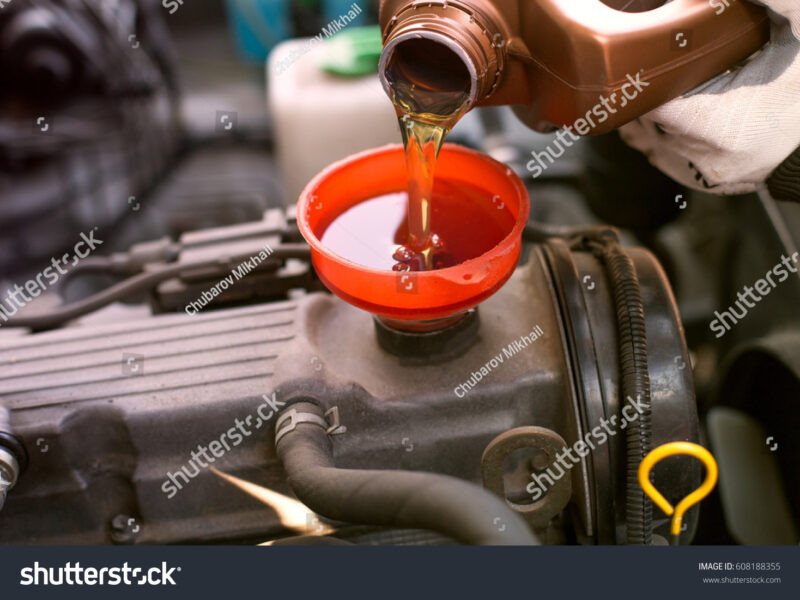
An oil filter plays an indispensable role within the lubrication system of an internal combustion engine, responsible for purifying the engine oil by removing contaminants. This essential process is vital in preventing premature engine wear and ensuring top-notch engine efficiency. Without optimal filtration, harmful particles and sludge would constantly circulate, causing increased friction and risking mechanical failure.
Why is Oil Filter Maintenance Crucial for Engine Longevity?
Maintaining your oil filter is not just about keeping things clean; it directly influences the overall health and lifespan of your engine. A well-maintained oil filter guarantees consistent lubrication, effectively keeping harmful debris such as dirt, metal shavings, and combustion byproducts at bay. This proactive approach significantly reduces the risk of damage to your engine’s internal components, preserving its performance for the long haul.
As time progresses, the oil filter will inevitably accumulate impurities. This lowers its efficiency, potentially blocking oil flow. A clogged filter can result in inadequate lubrication, increased friction, and higher engine temperatures, accelerating wear and heightening the possibility of expensive repairs or catastrophic failure. By regularly replacing your oil filter, you can prevent these detrimental effects, contributing to improved fuel efficiency, reduced emissions, and sustained engine performance.
How Does an Engine Oil Filter Function?
The mechanics of an engine oil filter revolve around mechanical filtration, which traps contaminants as oil flows through its porous media. The oil pump sends dirty oil into the filter, where it enters through inlet ports in the base plate, then passes through the filter media engineered to catch particles as small as 20 microns. As clean oil exits the filter through a central outlet, it returns to lubricate the engine’s crucial components.
Within the oil filter assembly, key components work in unison to ensure effective operation. The filter media, typically composed of synthetic fibers, cellulose, or a combination, traps impurities. The housing, which may be a sturdy steel shell for spin-on filters or a durable canister for cartridge filters, encases the filter element. An anti-drainback valve plays a critical role by preventing oil from draining out of the filter when the engine is off, ensuring immediate lubrication when you start the engine and minimizing dry friction. The bypass valve acts as a safety mechanism, allowing unfiltered oil to reach the engine if the filter is severely clogged or the oil becomes too thick; while this ensures lubrication, it does mean that unfiltered oil circulates, necessitating timely replacement of the filter.
What are the Different Types of Engine Oil Filters?
There is a variety of engine oil filters designed to cater to different vehicle applications and performance requirements, each with distinct advantages in filtration and maintainability. Selecting the right oil filter for your vehicle involves consulting the owner’s manual to ensure compatibility with thread size and gasket dimensions.
- Spin-On Oil Filters: The most prevalent type, these filters come in a self-contained metal canister, integrating the filter media, anti-drainback valve, and bypass valve for straightforward installation and replacement—ideal for DIY enthusiasts.
- Cartridge Oil Filters: Comprising a replaceable filter element within a permanent canister attached to the engine block, only the inner cartridge is replaced during servicing, making them an eco-friendlier option due to reduced waste.
- Full-Flow Oil Filters: Standard on most modern vehicles, these filters clean all the oil circulating through the engine, acting as the primary defense against contaminants.
- Bypass Oil Filters (Secondary Filters): Working alongside full-flow filters, these capture smaller fractions of oil at a time using finer filtration media, effectively collecting microscopic metal debris.
- Magnetic Oil Filters: Utilizing magnets, these filters attract and capture metallic particles, complementing conventional filtration by removing ferrous debris that may otherwise slip through.
- Centrifugal Oil Filters: Less common in passenger vehicles, these use centrifugal force to separate heavier contaminants from oil, typically found in high-performance or heavy machinery applications.
The choice of filter material also varies significantly. Options include cellulose, synthetic blend, and full synthetic media, each offering different filtration efficiencies and lifespans. Synthetic filters, for instance, provide superior filtration and longer durability, often aligning with extended oil change intervals associated with synthetic oils.
When Should You Replace Your Engine Oil Filter?
The frequency of oil filter replacement is crucial for maintaining robust engine health and should align with the vehicle manufacturer’s guidelines. Most manufacturers and mechanics recommend replacing the oil filter with every oil change to ensure optimal filtration and prevent contamination of the new engine oil.
While traditional advice suggested changing your oil and filter every 3,000 miles, modern vehicles using synthetic or semi-synthetic oils can often extend this interval to 7,500 to 10,000 miles—or even as long as 15,000 miles. However, specific driving conditions—including frequent short trips, stop-and-go city driving, towing heavy loads, or operating in dusty environments or extreme temperatures—can necessitate more frequent changes. Consult your vehicle’s manual or maintenance reminder systems for precise intervals. Ignoring replacement can lead to symptoms such as reduced engine performance, excessive exhaust smoke, or unusual engine noises.
Essential Oil Filter Replacement Best Practices
- Gather Necessary Tools: Obtain a new, compatible oil filter, an oil filter wrench, a drain pan, and clean rags. Don’t forget safety gear, including gloves and eye protection.
- Allow Engine to Cool: Perform the replacement on a cool engine to avoid burns from hot oil.
- Position Drain Pan and Drain Oil: Place the drain pan beneath the oil drain plug and loosen the plug to fully drain the used oil. For cartridge filters, remove the filter before draining oil to prevent dirty oil from re-entering the crankcase.
- Remove Old Filter: Use an oil filter wrench to loosen and detach the old filter by turning counterclockwise. Ensure the old gasket comes off with the filter; leaving it behind can lead to leaks.
- Prepare New Filter: Apply a thin layer of clean new engine oil to the rubber gasket of the new filter. This lubrication helps ensure a tight seal and facilitates easier removal in subsequent services.
- Install New Filter: Screw the new filter onto the engine by hand until the gasket contacts the mounting surface, then tighten it an extra 3/4 turn by hand or to the manufacturer’s specified torque. Exercise caution not to overtighten, as this can damage the filter or its seal.
- Refill with New Oil: Refill the engine with the recommended type and amount of new engine oil, then check the oil level using the dipstick.
- Check for Leaks: Start the engine and let it idle for a few minutes, carefully inspecting around the new oil filter and drain plug for any signs of leaks.
- Proper Disposal: Dispose of the old oil and filter responsibly at an authorized recycling center.
For cartridge-style filters, it’s crucial to use the correct cap removal tool to avoid damaging the housing. Always verify that the new filter package contains all necessary O-rings and check them for damage before installation.
Comparative Analysis of Oil Filter Types and Their Attributes
Understanding the differences between common oil filter types is essential for selecting the most suitable one for your vehicle’s needs and maintenance practices. The composition of the filter media significantly impacts performance metrics such as filtration efficiency and dirt-holding capacity.
| Oil Filter Type | Description | Filter Media | Typical Lifespan/Interval (Miles) | Key Advantage |
|---|---|---|---|---|
| Spin-On | Self-contained unit with integrated components. | Cellulose, Synthetic Blend | 5,000 – 7,500 (Conventional/Blend) | Ease of installation and replacement |
| Cartridge | Replaceable element housed within a permanent housing. | Cellulose, Synthetic Blend, Full Synthetic | 7,500 – 10,000+ (Synthetic/Extended Life) | Environmentally friendly (less waste), often enhanced filtration |
| Full-Flow | Filters all oil before it circulates to the engine. | Various (cellulose, synthetic) | Tied to engine oil change intervals | Primary defense against contaminants |
| Bypass (Secondary) | Filters a small portion of oil at a time, targeting finer particles. | High-density synthetic, specialized media | Often longer than full-flow, complements primary filter | Exceptional fine particle removal |
Frequently Asked Questions About Oil Filter Maintenance
What are the signs of a clogged oil filter?
A clogged oil filter manifests through various signs, such as diminished engine performance, including hesitation during acceleration or a noticeable power loss. Unusual engine noises like knocking or grinding, excessive or dark exhaust smoke, and a drop in oil pressure are additional indicators. When the check engine light illuminates on the dashboard, it often signals a severely restricted filter. These symptoms arise because the filter is failing to purify the oil effectively, resulting in increased friction and wear within engine components.
Is it acceptable to change engine oil without replacing the oil filter?
While some vehicle manufacturers might suggest replacing the oil filter every second oil change, the general recommendation is to replace the oil filter with every oil change. Foregoing filter replacement means that new, clean oil will flow through a dirty, old filter, quickly becoming contaminated with trapped particles. This practice leads to accelerated engine wear and diminished performance.
How does the oil filter anti-drainback valve protect the engine?
The oil filter anti-drainback valve plays a pivotal role in preventing engine oil from draining out of the filter back into the oil pan when the engine is off. By doing so, it ensures that critical engine components receive immediate lubrication upon startup, which minimizes the wear associated with “dry starts.” A faulty anti-drainback valve can result in delayed oil delivery to the engine, leading to increased friction and potential long-term damage. Filters equipped with silicone valves generally offer superior heat resistance compared to nitrile alternatives, enhancing durability and overall performance.