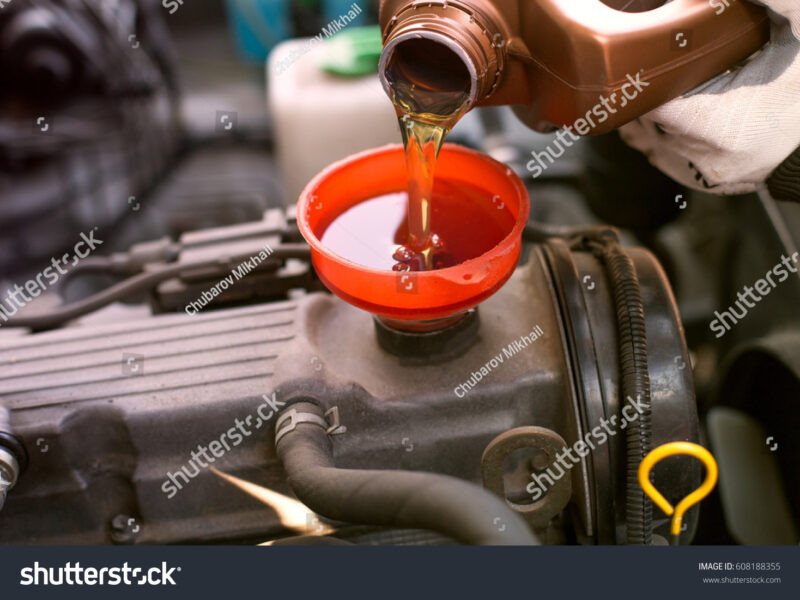
Imagine your engine purring like a finely tuned machine, its components working in perfect harmony. Central to this effortless synergy is a small yet vital warrior: the oil filter. This crucial component plays an indispensable role within the lubrication system of an internal combustion engine, ensuring the purity of engine oil. By effectively removing harmful contaminants, the oil filter safeguards your engine’s performance and extends its lifespan significantly.
What is the Primary Function of an Engine Oil Filter?
The engine oil filter’s primary function is to purify engine oil by removing harmful particles that can impede performance. As oil circulates through the filter media, it traps contaminants such as dirt, metal shavings, carbon deposits, and soot. Without effective filtration, these abrasive particles can lead to increased engine wear, drastically reducing its lifespan.
What are the Main Types of Oil Filters Available?
When it comes to oil filters, there are three main categories: full-flow, bypass, and centrifugal designs. Understanding these types is essential for selecting the optimal filter to meet specific engine applications and maintenance needs.
How Do Full-Flow Oil Filters Operate?
Full-flow oil filters are engineered to filter 100% of the oil pumped into the engine, ensuring uninterrupted lubrication with purified oil. Characterized by a high flow rate and low restriction, they minimize pressure drops across the filter element. Typically constructed from cellulose, synthetic blends, or full synthetic fibers, full-flow filters also employ a vital bypass valve. This mechanism allows unfiltered oil to bypass the filter if it becomes clogged or when the oil is too viscous—like during cold starts—thereby preventing oil starvation.
What is the Role of Bypass Oil Filters?
Bypass oil filters operate differently by filtering a smaller percentage of the total oil volume at any given time but with a notably finer filtration level. They expertly remove microscopic particles that full-flow filters might miss, often achieving filtration down to very low micron ratings. When used alongside full-flow filters, particularly in heavy-duty applications or vehicles with extended oil drain intervals, they significantly enhance overall oil cleanliness and promote engine longevity.
How Do Centrifugal Oil Filters Clean Engine Oil?
Utilizing centrifugal force, centrifugal oil filters separate contaminants from engine oil, rather than relying on traditional filter media. When engine oil enters a rapidly spinning rotor, heavier contaminant particles are forced outward, either adhering to the rotor’s walls or collecting in a sediment bowl. This method is highly effective at eliminating fine particulate matter and soot, especially in heavy-duty diesel engines where effective soot management is critical.
What Materials Constitute Oil Filter Media?
The media in oil filters can be made from various materials, each contributing different levels of filtration efficiency, contaminant capacity, and longevity. The choice of media directly impacts the overall performance of the filter.
What are the Characteristics of Cellulose Oil Filter Media?
Cellulose oil filter media is primarily crafted from natural paper products, often impregnated with resin to boost durability and filtration capabilities. This type of media effectively captures particles in the 15-30 micron range, making it a popular choice for standard oil filters. Though cellulose filters are economical, their lifespan and efficiency typically fall short compared to synthetic alternatives.
How Do Synthetic Oil Filter Media Perform?
Made from high-engineered synthetic fibers like polyester or fiberglass, synthetic oil filter media excels at achieving superior filtration efficiency and significantly enhances contaminant capacity. Capable of maintaining excellent flow rates even with fine filtration capabilities (down to 5-15 microns), these filters are perfect for use with synthetic oils, extended drain intervals, and high-performance engines due to their robust durability and effectiveness across wider temperature ranges. While the initial cost is usually higher, the long-term benefits often outweigh the expenses.
What are Hybrid or Synthetic Blend Filter Media?
Hybrid or synthetic blend filter media merges cellulose and synthetic fibers to provide a middle ground between cost-effectiveness and enhanced performance. Offering improved filtration efficiency and capacity over standard cellulose filters, these options are versatile, suitable for various engine oil types, and provide a valuable upgrade for users seeking better protection and potentially longer drain intervals.
What Critical Features Should an Oil Filter Possess?
A high-quality oil filter must exhibit several key features to guarantee effective and safe engine lubrication. These attributes significantly influence both the filter’s performance and the engine’s protection.
- Filtration Efficiency: This metric represents the percentage of contaminants that the filter can eliminate at a specified micron rating. Higher efficiency correlates with cleaner oil.
- Micron Rating: The micron rating defines the smallest particle size, in micrometers, that the filter is designed to capture. Low micron ratings denote finer filtration.
- Flow Rate: The filter’s capacity to allow oil passage without excessive restriction is critical; an adequate flow rate is essential to prevent oil starvation in engine components.
- Bypass Valve: A necessary safety feature, the bypass valve allows oil to bypass the filter media if it becomes clogged or if oil viscosity is too high (such as during cold starts). The bypass valve opening pressure is meticulously engineered for specific engine applications.
- Anti-Drainback Valve (ADBV): Typically made of silicone or nitrile, this valve prevents oil from draining back into the oil galleries when the engine is turned off. Its function ensures immediate oil pressure and lubrication upon startup, significantly reducing dry start wear.
- Gasket Quality: The sealing gasket’s quality is critical in avoiding oil leaks. Using high-grade materials and precise manufacturing ensures a reliable, leak-proof seal against the engine block.
Comparative Analysis of Oil Filter Types and Media
Understanding the differences among various oil filter types and their media assists in illustrating their specific applications and performance characteristics.
| Feature/Type | Full-Flow (Cellulose) | Full-Flow (Synthetic) | Bypass Filter | Centrifugal Filter |
|---|---|---|---|---|
| Primary Function | Main filtration | Main filtration | Fine particulate removal | Heavy particulate separation |
| Filtration Level | Standard (15-30 microns) | Superior (5-15 microns) | Ultra-fine (<10 microns) | Very fine, soot |
| Flow Rate | High | High | Low | High |
| Media Type | Cellulose | Synthetic fibers | High-density cellulose/synthetic | No media (centrifugal force) |
| Oil Compatibility | Conventional, blend | Synthetic, conventional | All oil types | All oil types |
| Service Interval | Standard (3k-5k miles) | Extended (7.5k-15k miles) | Very extended | Very extended |
| Cost | Low | Moderate to High | High (initial) | High (initial) |
| Engine Application | Most passenger vehicles | Modern, performance engines | Heavy-duty, long-haul | Heavy-duty diesel |
How Does Oil Type Influence Oil Filter Selection?
The type of engine oil directly impacts the optimal choice of oil filter due to differences in viscosity, additive packages, and the intended drain intervals. Using the appropriate filter maximizes the performance and protection capabilities of the oil.
- Conventional Oil: Best suited for standard cellulose or synthetic blend filters, which provide adequate filtration for typical service lives and particle loads associated with conventional oils.
- Synthetic Oil: Feeds on synthetic or high-efficiency synthetic blend filters that align with its extended drain intervals and superior protection, harnessing the full capabilities of synthetic lubricants.
- Oil Viscosity: Filter design must accommodate specific oil viscosity to ensure proper flow and prevent excessive pressure drop, which could prematurely trigger the bypass valve.
When Should You Replace Your Engine Oil Filter?
To uphold optimal engine protection, it is recommended to replace the engine oil filter with every oil change. A dirty or clogged filter will lose its efficacy, restrict oil flow, and might even cause the bypass valve to open, thus circulating unfiltered oil throughout the engine. Always follow your vehicle manufacturer’s guidelines for oil and filter change intervals. Understanding and performing routine maintenance, including general automotive diagnostics, helps safeguard overall vehicle health and can prevent costly repairs. For detailed strategies to maintain vehicle systems, consider resources such as Pro Diagnostics at Home: Essential Brake System Diagnostics Tools for DIY Troubleshooting, as vehicle health is an interconnected system.
What are Common Misconceptions About Oil Filters?
Dispelling common misconceptions surrounding oil filters is essential for informed vehicle maintenance. Misunderstandings can lead to inadequate care and potential engine issues.
- Myth: “All oil filters are the same.” Reality: Significant differences exist in filter media, quality of construction, bypass valve specifications, and anti-drainback valve materials. These variations profoundly influence filtration efficiency, contaminant capacity, and overall performance, aligning with the continuous evolution of automotive components from early modes of transport to modern systems, including crucial engine elements like oil filters, as seen in The Evolution of Automotive Braking Systems.
- Myth: “You only need to change the filter every other oil change.” Reality: A clogged or nearly clogged filter can negate the benefits of fresh engine oil, allowing dirty oil to circulate or triggering the bypass valve, thus sending unfiltered oil to the engine, which can accelerate wear despite using new lubricant.
What is the best oil filter for synthetic oil?
The best choice for synthetic oil is a synthetic oil filter or a high-efficiency synthetic blend filter. These filters are designed to match the extended drain intervals and superior protective qualities of synthetic lubricants.
How often should I change my oil filter?
It is advisable to change the oil filter with every engine oil change, adhering to the vehicle manufacturer’s recommended service intervals, generally ranging from every 3,000 to 10,000 miles, based on oil type and driving conditions.
Can a bad oil filter damage an engine?
Absolutely. A failing or clogged oil filter poses a serious risk to the engine by restricting lubrication due to inadequate oil flow or allowing harmful contaminants to circulate, leading to increased wear on internal engine components.