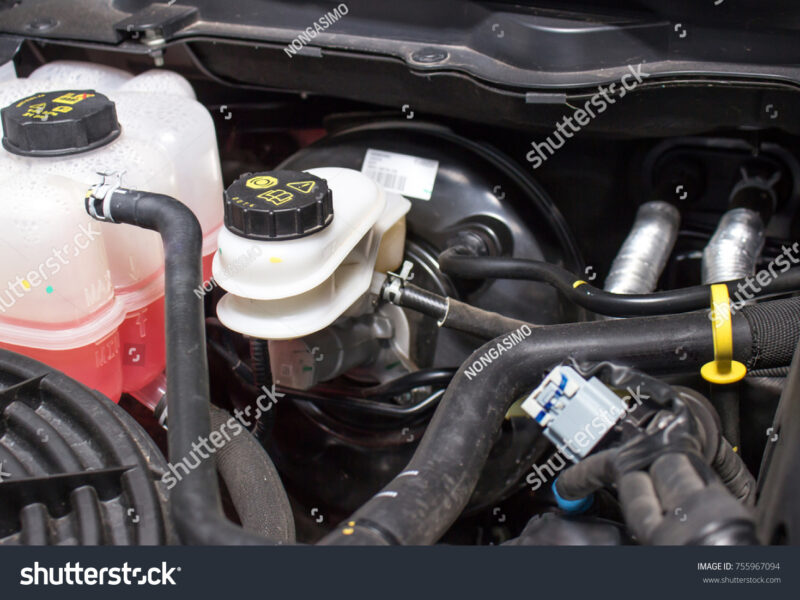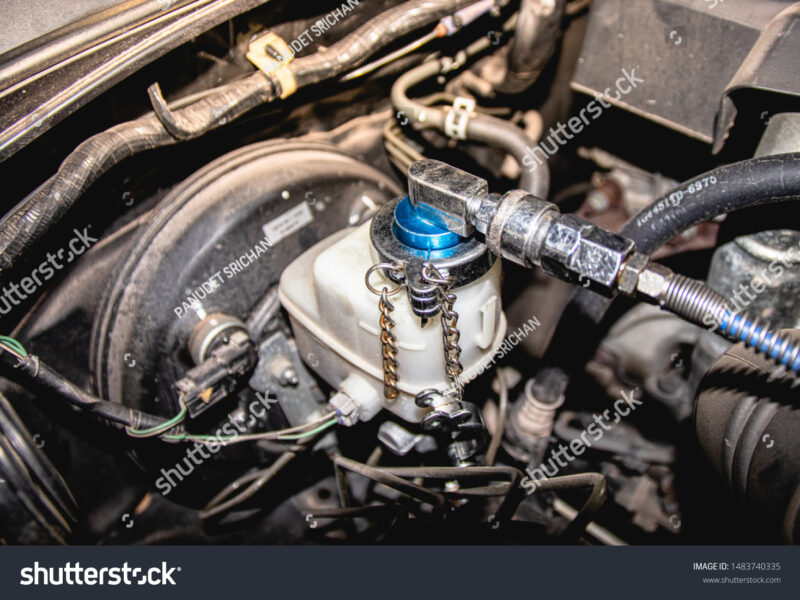
Choosing the best high-performance brake fluid for your vehicle is paramount for ensuring optimal stopping power, consistent pedal feel, and critical safety under demanding driving conditions, where standard fluids might fail. High-performance brake fluids are engineered to withstand extreme temperatures generated during aggressive driving, track days, or competitive racing, directly influencing your vehicle’s ability to decelerate effectively and safely. Without a fluid capable of managing these thermal loads, the hydraulic brake system’s force transmission can be severely compromised, leading to reduced braking responsiveness and a significant safety hazard.
Why is Selecting the Right High-Performance Brake Fluid Crucial for Vehicle Dynamics?
The selection of an appropriate high-performance brake fluid is a cornerstone of vehicle safety and dynamic stability, especially when pushing a car to its limits. Brake fluid acts as a non-compressible hydraulic fluid, directly translating the force from your brake pedal to the wheel cylinders, which then engage the brake pads against the rotors. In high-performance scenarios, the intense friction generated can elevate brake component temperatures significantly, often far exceeding the capabilities of conventional brake fluids.
Under such extreme thermal stress, lower-grade brake fluids can reach their boiling point. When brake fluid boils, it forms compressible vapor bubbles within the hydraulic lines, a phenomenon known as “vapor lock.” This vapor displaces the fluid, leading to a noticeable softening or “sponginess” of the brake pedal, or even a complete loss of braking ability.
For high-performance vehicles, maintaining a firm, consistent pedal feel is not just about comfort; it’s about precise control and predictability, which are vital for safety and performance on the track or during spirited driving. A high-performance brake fluid, with its superior resistance to heat and vapor lock, ensures that the vital hydraulic transmission remains uncompromised, allowing drivers to maintain confidence in their braking system’s responsiveness and stopping power, lap after lap.
Understanding DOT Standards: Key to High-Performance Brake Fluid Selection
The U.S. Department of Transportation (DOT) classifies brake fluids based on their performance characteristics, primarily focusing on boiling points and low-temperature viscosity. Understanding these DOT ratings—DOT 3, DOT 4, DOT 5, and DOT 5.1—is fundamental to selecting the correct fluid for any vehicle, especially high-performance applications.
DOT 3, DOT 4, and DOT 5.1 fluids are all glycol-based, meaning they are hygroscopic and will absorb moisture over time. As water content increases, their boiling points decrease, affecting performance. DOT 3 is typically found in older or standard vehicles with a minimum dry boiling point of 205°C (401°F) and a wet boiling point of 140°C (284°F). DOT 4, widely used in most modern cars and vehicles with ABS, offers higher performance with a minimum dry boiling point of 230°C (446°F) and a wet boiling point of 155°C (311°F) due to additives like borate ester.
DOT 5.1, while also glycol-based, is designed for high-performance and ABS/ESP-equipped vehicles, providing even higher dry and wet boiling points—typically 260°C (500°F) dry and 180°C (356°F) wet—and often a lower viscosity for better ABS response. Critically, DOT 5 fluid is silicone-based and hydrophobic, meaning it repels water. It has a dry boiling point of 260°C (500°F) and a wet boiling point of 180°C (356°F), similar to DOT 5.1, but it is not compatible with glycol-based fluids and is generally unsuitable for modern ABS systems due to its compressibility and tendency to aerate.
Dry and Wet Boiling Points: The Ultimate Performance Metric
When evaluating high-performance brake fluids, the dry and wet boiling points are the most critical specifications to consider, as they directly indicate the fluid’s ability to resist vapor lock under varying conditions. The dry boiling point refers to the temperature at which new, uncontaminated brake fluid (with negligible water content) will boil. Higher dry boiling points are crucial for initial performance in demanding situations, such as the first few laps of a track session or during aggressive, sustained braking maneuvers, ensuring the fluid resists vaporization when it’s at its purest and hottest.
Equally, if not more important in real-world driving and prolonged high-performance use, is the wet boiling point. This metric is measured after the brake fluid has absorbed a specified amount of moisture (typically 3.7% water by volume), simulating the effects of humidity and time in service. Since glycol-based brake fluids are hygroscopic, they absorb moisture from the atmosphere, which significantly lowers their boiling point over time. A high wet boiling point indicates that the fluid will maintain its performance integrity even after absorbing moisture, which is vital for sustained reliability and safety throughout a racing season or between regular fluid changes.
Fluids specifically designed for racing or heavy-duty performance often boast boiling points significantly exceeding DOT minimums. For instance, some specialized DOT 4 racing fluids can offer dry boiling points upwards of 336°C (637°F) and wet boiling points around 205°C (401°F), far surpassing the standard DOT 4 requirements of 230°C (446°F) dry and 155°C (311°F) wet. Selecting a fluid with robust dry and wet boiling points is critical for preventing brake fade and ensuring consistent, firm pedal feedback under the most extreme thermal loads, thereby enhancing both safety and driving dynamics.
| DOT Standard | Base Material | Minimum Dry Boiling Point (C/F) | Minimum Wet Boiling Point (C/F) | Compatibility | Common Applications |
|---|---|---|---|---|---|
| DOT 3 | Glycol-based | 205°C / 401°F | 140°C / 284°F | Mixes with DOT 3, DOT 4, DOT 5.1 | Older vehicles, standard daily driving |
| DOT 4 | Glycol-based (Borate Ester) | 230°C / 446°F | 155°C / 311°F | Mixes with DOT 3, DOT 4, DOT 5.1 | Most modern vehicles, ABS, moderate performance |
| DOT 5 | Silicone-based | 260°C / 500°F | 180°C / 356°F | DO NOT mix with DOT 3, DOT 4, DOT 5.1 | Classic cars, motorcycles (non-ABS), specific military applications |
| DOT 5.1 | Glycol-based (Borate Ester) | 260°C / 500°F | 180°C / 356°F | Mixes with DOT 3, DOT 4, DOT 5.1 | High-performance vehicles, ABS/ESP systems, racing |
Compatibility Concerns: Mixing Brake Fluids and System Integrity
Understanding brake fluid compatibility is crucial to maintaining the integrity and performance of your vehicle’s hydraulic brake system. While DOT 3, DOT 4, and DOT 5.1 brake fluids are all glycol-based and generally considered compatible or “miscible,” meaning they can be mixed without immediate catastrophic damage, it is not recommended for optimal performance. Mixing these fluids, especially introducing a lower DOT standard into a system designed for a higher one, will reduce the overall boiling point and performance to that of the lowest-grade fluid present.
The most critical compatibility warning applies to DOT 5 silicone-based fluid. DOT 5 is fundamentally different in its chemical composition from glycol-based DOT 3, DOT 4, and DOT 5.1 fluids. Mixing DOT 5 with any other DOT fluid can lead to severe issues, including phase separation, aeration, seal degradation, and an inconsistent or spongy brake pedal feel. This incompatibility can cause brake system failure, making it imperative to use DOT 5 only in systems specifically designed for it or those that have been completely flushed and converted to silicone fluid.
Always consult your vehicle’s owner’s manual or service information to confirm the manufacturer’s specified brake fluid type. If uncertain, a complete system flush and refill with the correct class of fluid is the safest approach to prevent potential damage and ensure reliable braking performance. Incorrect brake fluid can compromise the hydraulic brake system, leading to a reduced braking response and a potential safety hazard. For more in-depth guidance on brake fluid types, refer to our article on Unlocking Performance: The Ultimate Guide to Choosing the Best Brake Fluid.
Signs Your High-Performance Brake Fluid Needs Attention
For high-performance vehicles, recognizing the signs that your brake fluid needs attention is not merely good practice, but a critical safety measure. Common indicators of compromised brake fluid include a soft or spongy brake pedal, which often points to air or vapor bubbles within the hydraulic system. These bubbles form when the fluid boils due to excessive heat, a frequent occurrence during aggressive driving if the fluid’s boiling point has degraded.
Another crucial warning sign is the activation of the brake fluid warning light on your dashboard, which can indicate a low fluid level or a pressure differential within the system. While not always directly related to fluid quality, a persistently illuminated warning light warrants immediate investigation. Additionally, discolored brake fluid—appearing dark brown or black instead of its typical clear to amber hue—suggests contamination and degradation, signaling its urgent need for replacement.
Most importantly, if your brakes feel uneven, less responsive, or exhibit extended stopping distances, it is crucial to check the fluid. These symptoms are direct indicators that the fluid’s ability to transmit force from the brake pedal to the wheel cylinders is compromised. Ignoring these warnings, especially in a high-performance setting, can lead to dangerous brake fade or even complete brake failure. Regular inspection and timely replacement, as outlined in our How to Change Your Brake Fluid: A Complete DIY Guide, are vital.
How to Ensure Optimal Performance: Regular Brake Fluid Maintenance
Maintaining optimal brake fluid performance in high-performance vehicles necessitates a rigorous maintenance schedule that often exceeds typical manufacturer recommendations for standard cars. Because brake fluid, particularly glycol-based types, is hygroscopic, it absorbs moisture over time, which drastically lowers its boiling point. This moisture absorption accelerates during hard driving conditions, where brake systems generate significant heat, making frequent fluid changes essential to prevent vapor lock and maintain a firm brake pedal.
For track day enthusiasts and racers, annual or even more frequent brake fluid changes are often recommended, especially if the fluid has been subjected to extreme temperatures. Some racing teams may even bleed their brakes before every event to ensure peak performance. Electronic brake fluid testers can measure the fluid’s boiling point or moisture content, providing a reliable way to assess its condition and determine if replacement is necessary.
Proactive brake fluid maintenance is not just about replacing old fluid; it involves flushing the entire hydraulic brake system to remove contaminated fluid and any accumulated debris. This ensures that the new, high-performance fluid can operate at its maximum potential, providing superior thermal stability, consistent pedal feel, and reliable stopping power. This preventative approach safeguards the hydraulic brake system, critical for safety and sustained high-level performance. For optimal daily driving performance, consider the insights from Choosing the Best Brake Fluid for Optimal Daily Driving Performance.
What is the best brake fluid for track use?
For track use, the best brake fluid typically exceeds DOT 4 or DOT 5.1 minimum specifications and boasts exceptionally high dry and wet boiling points. Brands like Castrol SRF, Motul RBF700 (or RBF660), Wilwood EXP 600 Plus, and Torque RT700 are highly regarded in the racing community. Castrol SRF is often considered the gold standard for track day enthusiasts due to its unparalleled wet boiling point of 270°C (518°F), allowing it to last an entire season for many casual track users. However, fluids like Torque RT700 offer an even higher dry boiling point of 362°C (683°F) for ultimate braking feel and performance in sprint racing, where frequent bleeding is common.
Can I upgrade from DOT 3 to DOT 4 or DOT 5.1 in my performance car?
Yes, you can generally upgrade from DOT 3 to DOT 4 or DOT 5.1 brake fluid in your performance car because all three are glycol-based and chemically compatible. Upgrading will provide higher dry and wet boiling points, enhancing your braking system’s ability to resist fade under high-temperature conditions. However, for optimal performance, it is always recommended to perform a complete system flush when upgrading to ensure all the old, lower-spec fluid is removed. Simply topping off with a higher DOT fluid will only raise the overall boiling point to the lowest specification present, mitigating the full benefits of the upgrade.
How often should high-performance brake fluid be changed?
High-performance brake fluid should be changed more frequently than standard fluid, especially in vehicles regularly subjected to demanding driving conditions like track days or competitive events. While many manufacturers recommend changing brake fluid every two years for daily drivers, high-performance applications often require annual fluid changes, or even more frequently. Some serious track enthusiasts and racers may even bleed or flush their brake fluid before every race or major track event to ensure the fluid is fresh and performing at its peak, mitigating the risk of moisture absorption and associated boiling point degradation.
Is DOT 5 brake fluid suitable for all high-performance vehicles?
No, DOT 5 brake fluid is generally not suitable for all high-performance vehicles, especially those equipped with modern Anti-lock Braking Systems (ABS) or Electronic Stability Programs (ESP). While DOT 5 has a high dry boiling point (260°C / 500°F) and does not absorb moisture, its silicone-based composition is incompatible with glycol-based fluids (DOT 3, DOT 4, DOT 5.1) and can cause issues like aeration and a spongy pedal feel, which can negatively impact ABS performance. DOT 5 is typically recommended for classic cars, show vehicles, or motorcycles without ABS that sit for long periods, where its non-hygroscopic nature is an advantage in preventing corrosion. Always consult your vehicle’s manufacturer recommendations.