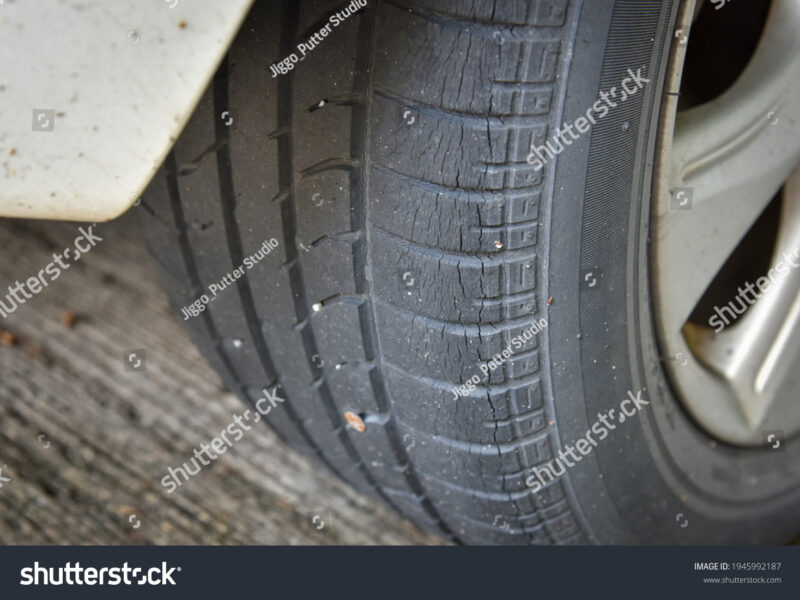
All-season tires are meticulously designed to deliver dependable traction and performance throughout a variety of weather conditions. They provide a practical solution for drivers who wish to navigate the challenges of spring, summer, fall, and light winter precipitation without the hassle of seasonal tire changes. By blending the best features of summer and winter tires, these tires cater to those who prefer functionality and adaptability.
What Are the Core Performance Attributes of All-Season Tires?
The secret behind all-season tires lies in their specialized rubber compound. This unique formulation ensures flexibility in cooler temperatures while resisting softening when the weather warms up. Their tread patterns skillfully combine larger blocks for superior dry grip and an array of sipes that enhance traction on wet roads and in light snow. This thoughtful design balances performance across diverse environments, making all-season tires a smart choice for areas with mild climate fluctuations.
What Advantages Do All-Season Tires Offer Drivers?
All-season tires serve drivers in several key ways, providing unmatched convenience, cost savings, and sufficient performance for everyday driving needs. By opting for all-season tires, you eliminate the twice-yearly tire swaps, saving both time and the storage hassles associated with seasonal sets.
- Convenience: Skip the seasonal tire change appointments and simplify your vehicle maintenance.
- Cost-Effectiveness: Investing in all-season tires is often more economical than managing two separate sets of summer and winter tires.
- Versatility: They offer decent traction and braking capabilities across dry, wet, and lightly snow-covered roads, making them ideal for varied weather patterns.
- Longevity: Many all-season models feature extended tread lives often backed by warranties that surpass those of specialized performance tires.
What Limitations Are Associated with All-Season Tires?
While versatile, all-season tires do come with performance trade-offs compared to specialized summer or winter tires, particularly in extreme weather conditions. Their rubber compound tends to harden in sub-freezing temperatures, resulting in reduced grip on ice and deep snow.
- Reduced Extreme Weather Performance: In harsh winter conditions, such as heavy snow and ice, all-season tires can offer significantly less traction, leading to longer braking distances than dedicated winter tires which feature optimized tread designs for those scenarios.
- Compromised Summer Performance: Although functional in warmer conditions, all-season tires lack the precision handling, cornering stability, and short dry braking distances of performance-oriented summer tires that utilize stickier compounds.
- Temperature Sensitivity: The rubber compound may stiffen below about 7°C (45°F), diminishing control and increasing stopping distances. Meanwhile, aggressive driving in very hot climates can accelerate tire wear.
How Do All-Season Tires Compare to Summer and Winter Tires?
When you compare all-season tires to specialized summer and winter versions, the distinct performance profiles emerge. Summer tires shine in warm, dry conditions, whereas winter tires are engineered to prioritize safety in cold, snowy, and icy environments.
| Feature | All-Season Tires | Summer Tires | Winter Tires |
|---|---|---|---|
| Optimal Temperature Range | Above 7°C (45°F) to mild winter | Above 7°C (45°F) | Below 7°C (45°F) |
| Rubber Compound | Moderate flexibility, balanced for varying temperatures | Harder, optimized for high temperatures and dry grip | Softer, remains flexible in sub-freezing temperatures |
| Tread Design | Hybrid, moderate siping, balanced blocks | Minimal siping, large, rigid tread blocks for dry grip | Aggressive siping, deep grooves, biting edges for snow/ice |
| Performance in Dry | Good | Excellent | Fair (softer compound reduces precision) |
| Performance in Wet | Good | Very Good | Good (can hydroplane at higher speeds) |
| Performance in Light Snow | Adequate (M+S rated common) | Poor (not recommended) | Excellent (3PMSF rated) |
| Performance in Ice/Heavy Snow | Poor | Very Poor | Excellent |
To enhance overall vehicle safety, regular tire health checks—including proper inflation and monitoring tread wear—are just as vital as selecting the appropriate tire type. This preventative approach complements systems designed for maintenance, such as optimized Green Stopping Power: Exploring Eco-Friendly and Low-Copper Brake Pad Options, ensuring that safety measures are well-rounded. Furthermore, maintaining optimal engine health through quality filtration, as explained in Optimizing Engine Health: The Benefits of High-Performance Oil Filters, can significantly enhance your vehicle’s overall efficiency and longevity, much like choosing the right tires based on driving conditions.
When Are All-Season Tires the Right Choice for Your Vehicle?
All-season tires are ideally suited for drivers living in areas where moderate climates prevail. They are perfect for daily commuters and family vehicles in regions where temperatures rarely drop significantly below freezing and heavy snowfall is infrequent. Below are some considerations to help you make the best decision:
- Mild Climate Conditions: If you reside in a region where temperatures consistently remain above 7°C (45°F), punctuated only by occasional light snow, all-season tires will meet your year-round needs.
- Moderate Driving Habits: For drivers who emphasize convenience and require consistent, reliable performance for everyday commuting, all-season tires provide a practical solution.
- Budget Considerations: Choosing all-season tires allows for a single purchase and maintenance cycle, often proving more economical than managing two separate tire sets throughout the year.
What Are Some Best Picks for All-Season Tires?
When it comes to selecting the best all-season tires, leading manufacturers present an array of options that consistently receive high ratings for their performance, longevity, and overall value. Choosing the ideal tire often depends on your vehicle type, driving style, and primary weather concerns. Here are some top contenders:
- Michelin CrossClimate2: Regularly recognized for its strong performance in both wet and light snow conditions, this tire carries the Three-Peak Mountain Snowflake (3PMSF) symbol, epitomizing enhanced winter capabilities.
- Goodyear Assurance WeatherReady: Imbued with advanced tread technology, this tire adapts seamlessly to diverse weather patterns, providing reliable traction in rain and snow, while also holding the 3PMSF rating.
- Continental PureContact LS (or AllSeasonContact 2): Known for its blend of durability and performance, the AllSeasonContact 2 offers a quiet ride coupled with excellent traction, making it a favorite among sedans and coupes.
- Pirelli Cinturato P7 All Season Plus II (or SF3): This model prioritizes comfort and extended mileage, showcasing dependable performance across various seasons with notable dry and wet braking capabilities.
While these tires represent some of the highest-rated options on the market, consulting with a local tire expert ensures that you find the best fit for your driving needs and vehicle specifications.
Can all-season tires be used in areas with heavy snow?
All-season tires are typically not suited for regions experiencing heavy or persistent snowfall, as their performance can drop significantly on deep snow and ice compared to specialized winter tires. While many all-season tires feature the M+S (Mud and Snow) rating, this designation merely indicates basic traction capabilities in muddy and snowy conditions. To meet stringent performance criteria for severe snow traction, look for the Three-Peak Mountain Snowflake (3PMSF) symbol.
Do all-season tires save money in the long run?
All-season tires can indeed provide financial benefits by eliminating the necessity of two separate tire purchases and the expenses involved in storing and changing seasonal tires. However, if consistently subjected to extreme conditions outside their optimal range, their tread life may be shorter than the combined lifespan of specialized summer and winter tires, which could offset some long-term savings.
How often should all-season tires be rotated?
To ensure uniform wear and extend their lifespan, it’s recommended that all-season tires be rotated approximately every 5,000 to 8,000 miles (8,000 to 13,000 kilometers) or every six months. This regular maintenance, paired with proper tire pressure management, significantly contributes to their durability and consistent performance across all four wheels.