A failing fuel pump is a critical issue that can leave you stranded on the roadside, but recognizing the early warning signs can save you from inconvenient breakdowns and costly repairs. The fuel pump is responsible for delivering gasoline from your tank to the engine at the correct pressure, ensuring proper combustion. When it begins to falter, a cascade of performance issues can arise, often signaling its impending failure. Understanding these symptoms is key to proactive vehicle maintenance and avoiding unexpected immobilization.
The smooth operation of your vehicle’s engine relies heavily on a consistent and adequate supply of fuel. This is where the fuel pump plays an indispensable role, acting as the heart of your fuel system. It meticulously transfers fuel from the tank to the fuel injectors or carburetor, maintaining the precise pressure required for optimal combustion. Without a functional fuel pump, your engine simply cannot receive the necessary fuel to run, leading to a variety of performance degradations.
Ignoring the subtle (and sometimes not-so-subtle) signs of a weakening fuel pump can lead to more severe engine damage, potentially increasing repair bills significantly. Modern vehicles, especially those with sophisticated engine management systems, are particularly sensitive to fuel delivery issues. Early detection allows for timely replacement, preventing catastrophic failures that could affect other engine components.
This article will guide you through seven critical warning signs that indicate your car’s fuel pump might be on its last legs. By familiarizing yourself with these indicators, you can take proactive steps to address the problem before it escalates into a roadside emergency.
1. Is Your Car Sputtering or Stalling Under Load?
One of the most common and noticeable symptoms of a failing fuel pump is the engine sputtering or stalling, particularly when the vehicle is under significant demand. This typically occurs during acceleration, when climbing hills, or when carrying a heavy load. The fuel pump struggles to meet the increased fuel requirements of the engine during these demanding situations.
When you press the accelerator pedal, you’re asking the engine to work harder, which necessitates a greater volume of fuel. If the fuel pump is weak or clogged, it cannot provide this surge of fuel, leading to a temporary lean condition. This lean condition means there’s too much air and not enough fuel in the combustion chamber, causing the engine to hesitate, sputter, or even stall completely.
This symptom can sometimes be confused with other issues, such as a clogged fuel filter or ignition problems. However, if the sputtering and stalling primarily occur when the engine is working hardest, the fuel pump is a prime suspect. It’s a direct indication that the pump’s ability to deliver adequate fuel pressure is compromised under stress.
Consider the scenario of merging onto a highway or passing another vehicle. These are high-demand situations where a healthy fuel pump is crucial. If your car hesitates or loses power during these maneuvers, it’s a strong signal that the fuel pump may not be up to the task. This can be a dangerous situation, as it can affect your ability to safely control the vehicle.
The internal components of a fuel pump can wear out over time, reducing its efficiency. Likewise, debris can accumulate within the pump or its filter, restricting fuel flow. Regardless of the cause, the result is a diminished capacity to supply fuel when it’s needed most, manifesting as sputtering and stalling.
2. Are You Experiencing a Loss of Engine Power?
A gradual or sudden loss of engine power is another significant indicator that your fuel pump might be failing. This symptom often goes hand-in-hand with sputtering and stalling, as both stem from an insufficient fuel supply to the engine. Your car may feel sluggish, accelerate slower than usual, and generally lack the responsiveness it once had.
The engine requires a precise air-fuel mixture for optimal combustion and power generation. When the fuel pump can’t deliver the correct amount of fuel, this mixture is thrown off, resulting in a noticeable deficit in power. You might feel this most acutely when trying to accelerate from a stop or when going uphill.
It’s important to differentiate this from other causes of power loss, such as worn spark plugs or issues with the air intake system. However, if you notice that your car generally feels weaker, even during normal driving conditions, and the problem isn’t isolated to specific moments of high demand, a failing fuel pump should be high on your diagnostic list. Issues with spark plugs can also lead to a rough idle or engine misfires, as detailed in our guide to spark plug symptoms.
Think about how your car used to feel. If there’s a distinct lack of “oomph” or if it takes longer to reach desired speeds, and you’ve ruled out other common culprits, the fuel pump is a likely suspect. A compromised fuel pump can’t consistently provide the 40-60 PSI (pounds per square inch) of pressure typically required by most fuel injection systems, leading directly to power reduction.
The ongoing strain on a weakening fuel pump can also lead to overheating of its motor. This further exacerbates the problem, as a hot fuel pump operates even less efficiently, creating a vicious cycle that ultimately results in a significant and concerning loss of engine power.
3. Does Your Car Have Trouble Starting?
Difficulty starting your car, especially after it has been sitting for a while or when the engine is hot, can be a telltale sign of a fuel pump problem. The fuel pump is responsible for priming the fuel system, ensuring that fuel is readily available when you turn the ignition key. If it’s weak or malfunctioning, it may struggle to build up the necessary fuel pressure.
When you turn the key, the fuel pump should engage for a few seconds to pressurize the fuel lines. If you hear the pump laboring, making unusual noises, or if it fails to build pressure quickly enough, it can lead to extended cranking times or a no-start condition. This is particularly true for vehicles where the fuel pump is mounted inside the fuel tank, as it needs to push fuel all the way to the engine.
This symptom can sometimes be mistaken for a weak battery or starter issues. However, if your battery and starter are in good condition, and you’re experiencing prolonged cranking before the engine finally catches, or if it fails to start altogether on occasion, a failing fuel pump should be investigated. The required fuel pressure for many modern engines is critical for ignition, and a weak pump can’t provide it.
Consider the “crank-no-start” scenario. You turn the key, the engine cranks over vigorously, but it just won’t fire up. This often points to a lack of fuel reaching the combustion chamber. While a clogged fuel filter can cause this, a pump that can’t maintain adequate pressure will produce a similar result.
The fuel pump assembly, often located within the fuel tank, includes a sender unit that monitors fuel levels. A malfunctioning pump can affect the fuel gauge’s accuracy, leading to unexpected “empty tank” situations, which further contribute to starting problems if the pump is starved of fuel.
4. Are You Hearing Unusual Noises from the Fuel Tank Area?
Unusual noises originating from the vicinity of your fuel tank can be a direct indicator of a fuel pump struggling to perform its duty. A healthy fuel pump typically operates quietly in the background. When you start hearing whining, buzzing, or grinding sounds, it suggests internal wear or an obstruction within the pump.
These noises often become more pronounced when the fuel level in the tank is low, as the pump may be working harder to draw fuel or could be experiencing cavitation. Cavitation occurs when the pump creates tiny vapor bubbles due to insufficient fuel, which can damage the pump’s internal components and create those distinctive sounds. This is a critical sign that the pump is under severe strain.
If you notice a consistent humming or whining sound that seems to emanate from the rear of your vehicle, especially when the ignition is turned on or while the engine is running, it warrants immediate attention. This is not a normal operating sound for a fuel pump and signifies that its mechanics are compromised. Similar to how a failing oxygen sensor can affect engine performance, a noisy fuel pump indicates an internal issue.
These sounds can be exacerbated by acceleration or deceleration, as the fuel sloshes within the tank. A grinding noise, in particular, is a severe warning sign, suggesting that metal-on-metal contact might be occurring due to worn-out bearings or impellers within the pump. This is often a precursor to complete pump failure.
The fuel pump often operates submerged in gasoline within the tank, which acts as a lubricant and coolant. If the fuel level is consistently low, the pump is deprived of this cooling and lubricating effect, leading to increased friction, heat, and the production of these alarming noises. Ignoring these sounds is a gamble that could lead to a sudden breakdown.
5. Is Your Check Engine Light Illuminated?
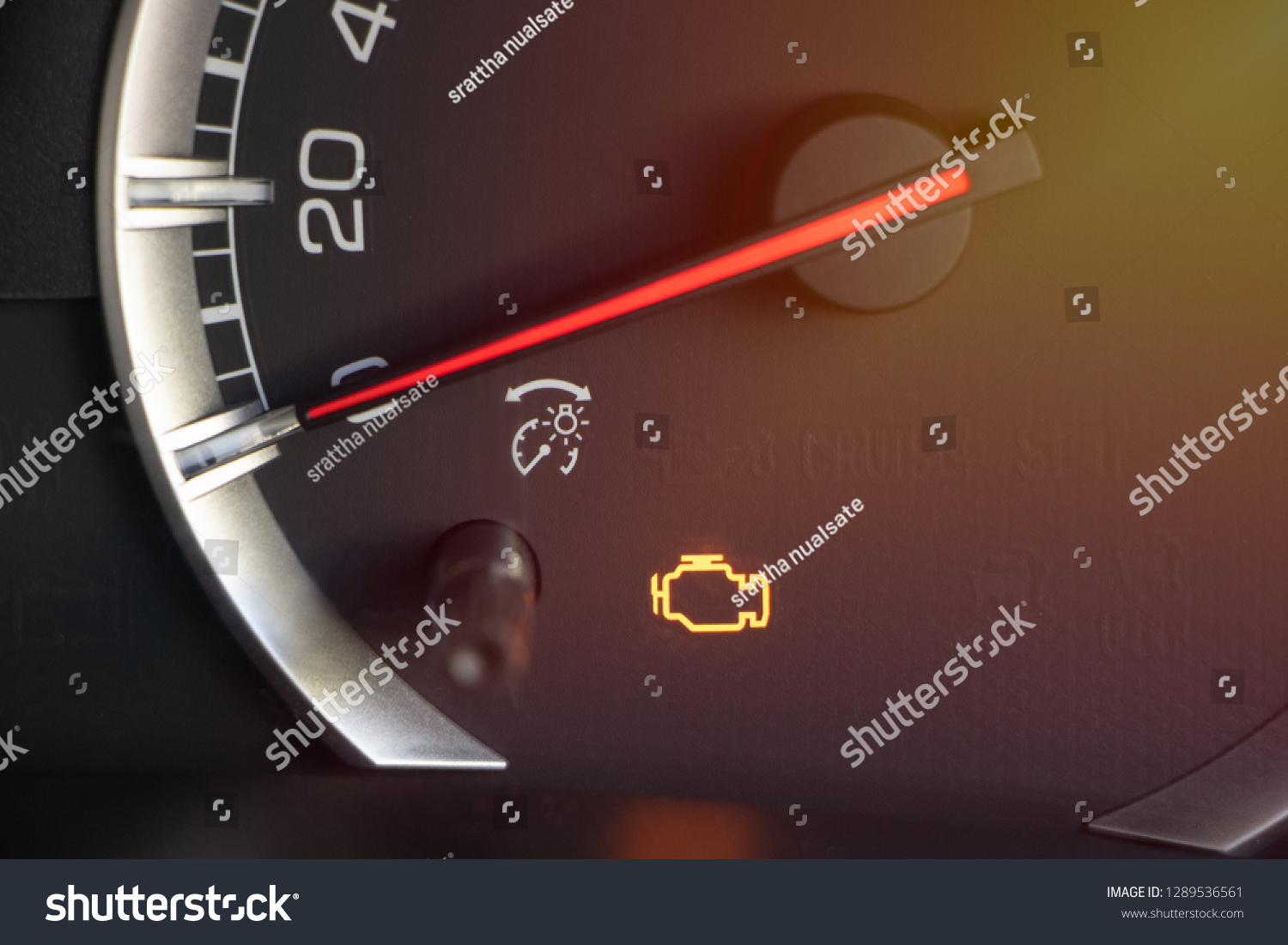
The illumination of the “Check Engine” light is a universal signal that your vehicle’s onboard diagnostic (OBD-II) system has detected a fault. While it can indicate a wide range of issues, a failing fuel pump is certainly among them, particularly if it’s causing the engine to run too lean or too rich.
Modern vehicles are equipped with sensors that constantly monitor various aspects of engine operation, including fuel delivery. If the fuel pump isn’t delivering the correct fuel pressure, the engine control unit (ECU) will detect this anomaly through sensors like the manifold absolute pressure (MAP) sensor or the oxygen sensors. For instance, if the air-fuel ratio is consistently off due to poor fuel delivery, the ECU will flag it.
A weak fuel pump can lead to a lean condition (too much air, not enough fuel), which the ECU will detect and report via the Check Engine light. Conversely, if the pump is delivering fuel erratically, it might cause a rich condition (too much fuel, not enough air), also triggering the light. Similarly, issues with your oxygen sensor can directly impact the air-fuel mixture and illuminate this warning light.
When the Check Engine light illuminates, it’s crucial to have the diagnostic trouble codes (DTCs) read by a mechanic or by using an OBD-II scanner. Codes related to fuel system performance, such as P0171 (System Too Lean) or P0174 (System Too Lean – Bank 2), can strongly suggest a fuel delivery problem, pointing towards the fuel pump or fuel filter.
While the Check Engine light can be triggered by numerous issues, from a loose gas cap to more serious component failures, its appearance in conjunction with other symptoms like poor performance or starting difficulties significantly increases the probability of a fuel pump issue. It serves as a critical alert that requires professional diagnosis.
6. Has Your Fuel Economy Decreased Noticeably?
While it might seem counterintuitive, a failing fuel pump can sometimes lead to a noticeable decrease in fuel economy. This is often a consequence of the engine computer attempting to compensate for fuel delivery issues or the pump itself working inefficiently.
When the fuel pump is struggling, it may not deliver fuel at a consistent pressure. The ECU might try to adjust injector pulse width to compensate, which can sometimes lead to over-fueling, meaning more fuel is injected than necessary for optimal combustion. This wasted fuel directly translates to lower miles per gallon (MPG).
Furthermore, a weak fuel pump often has to work harder and longer to deliver the required fuel. This increased effort consumes more electrical energy, and while not a direct fuel consumption issue, it signifies an inefficient component. More importantly, if the pump’s inefficiency leads to inconsistent fuel delivery, the engine’s combustion process becomes less efficient overall, burning more fuel to produce the same amount of power.
This symptom is easier to track if you regularly monitor your vehicle’s MPG. A sudden drop in fuel efficiency that cannot be attributed to changes in driving habits, tire pressure, or external factors like weather, could indicate an underlying fuel system problem. It’s a more subtle sign, but when combined with other indicators, it adds weight to the suspicion of a failing fuel pump.
Consider this: if your car is getting significantly fewer miles per gallon than it used to, and you haven’t changed your driving style or the type of fuel you use, something in the fuel delivery system is likely malfunctioning. A fuel pump that’s not performing optimally can contribute to this gradual decline in efficiency, much like worn spark plugs can also negatively impact fuel economy, as discussed in our article on spark plug warning signs.
7. Does Your Car Jerk or Hesitate During Acceleration?
Jerking or hesitation during acceleration is a direct manifestation of inconsistent fuel delivery, a hallmark symptom of a struggling fuel pump. This occurs when the pump fails to supply a steady stream of fuel to the engine, leading to momentary interruptions in the combustion process.
During acceleration, the engine’s demand for fuel increases rapidly. If the fuel pump cannot meet this demand instantaneously or consistently, the air-fuel mixture in the cylinders can become too lean, causing the engine to stumble or hesitate. This can feel like a “hiccup” or a sudden loss of power that briefly interrupts the smooth acceleration.
This symptom is particularly noticeable when you press the accelerator pedal relatively quickly. The initial surge of fuel required might not be delivered, causing the hesitation. Once the engine is at a steady speed, the demand might be less immediate, and the pump might be able to keep up, masking the issue during cruising. This is distinct from the more general loss of power, as it’s characterized by abrupt, intermittent stumbling.
It’s essential to distinguish this from issues like transmission problems or a dirty throttle body, although those can also cause hesitation. However, if the jerking is specifically tied to how much fuel the engine needs at any given moment—more pronounced during aggressive acceleration—the fuel pump is a strong candidate. Issues within the engine’s cylinders, such as misfires, can also cause rough running and hesitation, as detailed in our guide on engine misfire symptoms.
The internal mechanisms of the fuel pump, such as the impeller or diaphragm, can wear out or become damaged, leading to inconsistent fuel flow. This inconsistency directly translates to the jerky or hesitant acceleration you experience. The pump’s inability to maintain a stable fuel pressure means the engine doesn’t receive the fuel it needs precisely when it needs it, disrupting the smooth delivery of power.
Fuel Pump Failure: What Happens Next?
If a fuel pump fails completely, the most immediate and obvious consequence is that the engine will stop running. Without fuel, combustion cannot occur, and the vehicle will stall. This can happen suddenly and without warning, potentially in a dangerous location such as the middle of traffic or on a busy highway.
Beyond the immediate breakdown, a prolonged period of operation with a failing fuel pump can cause secondary damage. Overworking a weak pump can lead to overheating, which can damage not only the pump itself but also potentially related electrical components. In some cases, debris dislodged by a deteriorating pump can clog fuel injectors or the fuel filter, leading to additional repair costs.
The complexity of modern fuel systems means that replacing a fuel pump often involves dropping the fuel tank, a labor-intensive process. The cost of the part itself can vary significantly based on the vehicle make and model, and whether it’s an in-tank or external pump. However, the cost of a new fuel pump is almost always less than the cost of towing, emergency repairs, or potential engine damage caused by ignoring the warning signs.
Understanding the lifespan of a fuel pump is also important. While there’s no fixed mileage, most fuel pumps are designed to last for the life of the vehicle, typically well over 100,000 miles. However, factors like fuel quality, regular maintenance (or lack thereof), and driving conditions can influence their longevity. Using fuel with adequate detergent additives can help keep the pump clean and functioning optimally.
Proactive maintenance and attention to the warning signs discussed in this article are the best defense against a sudden fuel pump failure. Addressing minor symptoms early can prevent major roadside emergencies and save you significant money on repairs.
Fuel Pump Symptoms Comparison Table
| Symptom | Description | Likely Cause | Severity |
|---|---|---|---|
| Sputtering/Stalling Under Load | Engine loses power or cuts out during acceleration, hills, or heavy loads. | Weak fuel pump unable to meet high fuel demand. | High |
| Loss of Engine Power | General sluggishness, slow acceleration, reduced responsiveness. | Insufficient fuel pressure reaching the engine. | Medium to High |
| Difficulty Starting | Extended cranking time, no-start condition, especially when hot. | Fuel pump failing to prime the system or build pressure. | High |
| Unusual Noises | Whining, buzzing, or grinding sounds from the fuel tank area. | Worn pump components, cavitation, or obstruction. | High |
| Check Engine Light | Illuminated dashboard warning light. | System detects lean/rich condition or fuel pressure fault. | Medium (indicative, requires diagnosis) |
| Decreased Fuel Economy | Noticeable drop in MPG. | Inefficient pump operation, ECU compensation, or over-fueling. | Low to Medium |
| Jerking/Hesitation | Sudden, intermittent stumbling during acceleration. | Inconsistent fuel delivery and air-fuel mixture fluctuations. | Medium to High |
Frequently Asked Questions about Fuel Pumps
Is it possible to drive with a failing fuel pump?
It is generally not recommended to drive extensively with a clearly failing fuel pump. While your car might still be operational, the symptoms indicate a compromised fuel delivery system. Continuing to drive can exacerbate the problem, potentially leading to a complete and sudden failure that leaves you stranded. Furthermore, a struggling fuel pump can overheat, potentially damaging itself or other components in the fuel system. Driving with a failing pump can also lead to more erratic engine performance, affecting safety, especially during critical maneuvers like overtaking or merging into traffic.
How much does it cost to replace a fuel pump?
The cost to replace a fuel pump can vary significantly depending on the make, model, and year of your vehicle, as well as the location of the fuel pump (in-tank versus external). Generally, parts can range from $100 to $400 for a new pump. Labor costs are often the larger portion of the expense, typically ranging from $200 to $600, as many fuel pumps are located inside the fuel tank, requiring its removal. This makes the total estimated cost for a fuel pump replacement often fall between $300 and $1,000. It’s always advisable to get quotes from multiple reputable mechanics for an accurate estimate for your specific vehicle.
Can a clogged fuel filter cause symptoms similar to a bad fuel pump?
Yes, a clogged fuel filter can indeed mimic several symptoms of a failing fuel pump because both issues restrict the flow of fuel to the engine. Symptoms such as loss of engine power, sputtering, hesitation during acceleration, and difficulty starting can be caused by either a weak fuel pump or a clogged fuel filter. The fuel filter’s role is to remove contaminants from the fuel before it reaches the fuel pump and injectors. When it becomes clogged, it creates a bottleneck, reducing fuel pressure and volume. Mechanics typically check the fuel filter as a first step when diagnosing fuel delivery issues due to its lower cost and simpler replacement compared to a fuel pump.
How can I test my fuel pump pressure?
Testing fuel pump pressure requires a specialized fuel pressure gauge kit. The process generally involves locating the fuel rail or a Schrader valve on the fuel line, connecting the gauge, and then starting the engine. The gauge will then display the current fuel pressure. For most gasoline fuel injection systems, a pressure between 40-60 PSI is typical, though this can vary by vehicle manufacturer and model. It’s important to consult your vehicle’s service manual for the specific pressure specifications and the correct procedure for testing. If you are not comfortable working with fuel systems or lack the proper tools, it is best to have a qualified mechanic perform this test, as fuel systems operate under pressure and involve flammable materials.
What is the lifespan of a car’s fuel pump?
The lifespan of a car’s fuel pump is not definitively fixed and can vary greatly depending on several factors, including the quality of the pump, the fuel it’s being supplied, and driving conditions. However, most fuel pumps are designed to last for the expected life of the vehicle, often exceeding 100,000 miles. Factors that can shorten a fuel pump’s life include consistently running the fuel tank near empty (which can cause the pump to overheat as fuel cools and lubricates it), using poor quality fuel with excessive ethanol or contaminants, and extreme operating temperatures. Regular maintenance and ensuring the fuel system remains clean can help prolong the pump’s life.
Related Articles