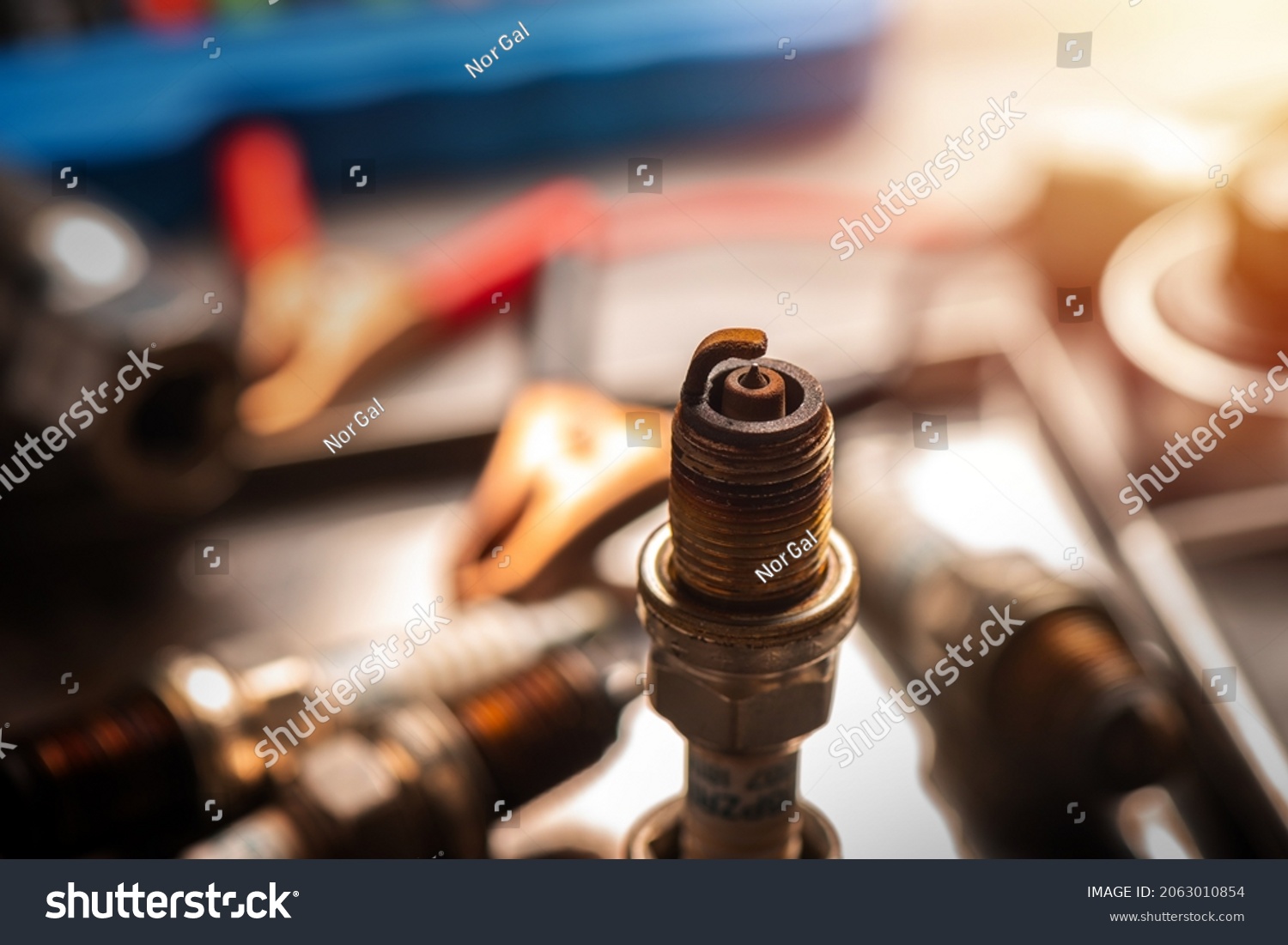
Identifying the symptoms of bad spark plugs is essential for maintaining your vehicle’s optimal performance and crucial for preventing a noticeable decline in fuel efficiency. Worn or fouled spark plugs compromise the combustion process, leading to increased fuel consumption and potential long-term engine damage.
Spark plugs are integral components of your engine’s ignition system, responsible for igniting the air-fuel mixture within the combustion chamber. When they begin to fail, their ability to create a consistent, powerful spark diminishes, directly impacting how efficiently your engine burns fuel.
What are the Primary Indicators of Worn Spark Plugs Affecting Fuel Efficiency?
Several distinct symptoms can signal that your spark plugs are failing, each with a direct or indirect impact on your vehicle’s fuel economy. Recognizing these signs early allows for proactive maintenance, preventing more severe mechanical issues and preserving your car’s efficiency.
From noticeable performance lags to an illuminated check engine light, these indicators often manifest gradually, making it important for drivers to pay attention to subtle changes in their vehicle’s operation. Addressing these symptoms promptly can significantly improve your driving experience and reduce trips to the fuel pump.
Rough Engine Idle and Vibrations
One of the most immediate and noticeable signs of failing spark plugs is a rough or unstable engine idle. When spark plugs can’t provide a consistent spark, the engine struggles to maintain a steady RPM, leading to noticeable vibrations and a ‘shaky’ feeling when the vehicle is stationary. This is particularly evident when the engine is operating at low speeds or idling.
A rough idle often signals that one or more engine cylinders are not firing correctly, a condition known as an engine misfire. If the engine’s vibration exceeds 15 Hz, it is officially classified as a rough idle. This inconsistent combustion forces the engine to work harder to maintain operation, burning more fuel than necessary even when idle.
These vibrations indicate that the engine is not running smoothly, as the power delivery from each combustion cycle is uneven. This inefficiency directly translates to wasted fuel, as the engine attempts to compensate for the erratic firing pattern. Addressing rough idle symptoms quickly can help restore engine balance and improve fuel economy. Engine Misfire Symptoms: What They Mean and How to Troubleshoot Your Car provides further insight into troubleshooting these issues.
Decreased Fuel Economy
A significant and often the most concerning symptom of failing spark plugs is a noticeable drop in your vehicle’s fuel economy. When spark plugs are worn or fouled, they cannot efficiently ignite the air-fuel mixture in the combustion chamber, leading to incomplete combustion. This means a portion of the fuel entering the engine is not being converted into power, effectively being wasted.
Studies and practical observations indicate that replacing old, worn spark plugs with new ones can improve fuel economy by as much as 30%. For instance, a vehicle like a 2018 Honda Civic, which typically achieves around 32 MPG combined, could see its efficiency drastically reduced with failing spark plugs, necessitating more frequent refueling stops.
This reduction in efficiency stems from the engine’s struggle to generate adequate power from each combustion cycle. To maintain desired speed or acceleration, the engine control unit (ECU) may inject more fuel, unknowingly compensating for the poor spark quality. This overcompensation directly leads to increased fuel consumption without a corresponding increase in performance.
Engine Misfires and Hesitation
Engine misfires are a direct consequence of a spark plug failing to ignite the air-fuel mixture in one or more engine cylinders. This results in a noticeable disruption in the combustion cycle, which drivers often perceive as a sudden jerk, stumble, or hesitation from the engine, especially during acceleration or under load.
When one or more cylinders fail to fire properly, the engine’s power output becomes uneven, leading to inconsistent performance and increased fuel consumption. The engine’s computer detects these misfires and attempts to correct them, often by adjusting fuel delivery, which can further exacerbate poor fuel economy.
These misfires are not only detrimental to fuel efficiency but can also put additional strain on other engine components and the catalytic converter. Prolonged misfires can lead to overheating and damage to these critical and costly parts. Understanding the early signs of misfires is crucial, as detailed in 7 Critical Symptoms of Bad Spark Plugs You Shouldn’t Ignore.
Difficulty Starting Your Vehicle
A strong, consistent spark is vital for igniting the air-fuel mixture during engine startup. When spark plugs are worn or dirty, they may not be able to generate this critical spark, leading to extended cranking times or a complete failure to start the engine. This is particularly problematic in cold weather conditions, where the engine requires an even more robust spark.
If you find yourself cranking the ignition multiple times before your car finally starts, or if it struggles to turn over, failing spark plugs are a likely culprit. This difficulty in starting is a clear indicator that the ignition system is compromised, directly impacting the immediate combustion process.
Beyond the inconvenience, the increased strain on the starter motor and battery during prolonged cranking can lead to premature wear of these components. Ensuring your spark plugs are in good condition helps guarantee reliable starts and prevents unnecessary stress on your vehicle’s electrical system.
Lack of Acceleration Power
Failing spark plugs directly impact your vehicle’s ability to accelerate smoothly and powerfully. With a weakened or intermittent spark, the combustion process is compromised, meaning the engine cannot produce its full potential power. This results in a noticeable sluggishness and a reduction in overall performance, especially when attempting to merge onto a highway or pass another vehicle.
When you press the accelerator, the engine requires a precise and powerful spark to ignite a larger volume of the air-fuel mixture quickly. Worn spark plugs cannot meet this demand, causing the engine to feel underpowered and hesitant. This forces the driver to press the accelerator harder, leading to the engine consuming more fuel to achieve less power.
This diminished acceleration capacity is a clear signal that the engine is not operating at peak efficiency. Addressing this symptom by replacing faulty spark plugs can restore your vehicle’s responsiveness and improve overall driving dynamics, simultaneously boosting fuel economy.
Check Engine Light Illumination
Modern vehicles are equipped with sophisticated engine control units (ECUs) that constantly monitor various engine parameters, including the ignition system. When spark plugs begin to fail and cause issues like misfires, the ECU often detects these anomalies and triggers the check engine light on your dashboard.
While a check engine light can indicate a wide range of problems, persistent misfires caused by faulty spark plugs are a common reason for its illumination. Diagnostic tools can then be used to retrieve specific error codes, such as P0301 (Cylinder 1 Misfire Detected), which directly point to an issue with a spark plug or its related ignition components in a specific engine cylinder.
Ignoring an illuminated check engine light, especially when accompanied by other symptoms like rough idle or decreased fuel economy, is not advisable. Prompt diagnosis and repair of the underlying issue, often related to spark plugs, can prevent further damage to the engine and ensure the vehicle continues to operate efficiently.
Increased Exhaust Emissions
When spark plugs are failing, the incomplete combustion of fuel within the engine’s cylinders leads to a higher concentration of unburnt hydrocarbons and other pollutants in the exhaust gases. This results in an increase in harmful exhaust emissions, which is detrimental to both the environment and your vehicle’s compliance with emissions standards.
The catalytic converter, designed to reduce these harmful emissions, becomes less effective when subjected to a constant stream of improperly combusted fuel. Over time, this can lead to premature failure of the catalytic converter, a costly repair. Increased emissions are a tangible sign that your engine is not operating efficiently and wasting fuel.
Visually, increased emissions might manifest as black smoke from the exhaust pipe, indicating excessive fuel consumption and poor combustion. Maintaining healthy spark plugs ensures cleaner emissions and contributes to the longevity and efficiency of your entire exhaust system, including the crucial catalytic converter.
How Do Failing Spark Plugs Compromise Your Vehicle’s Fuel Economy?
Failing spark plugs directly undermine your vehicle’s fuel economy by disrupting the fundamental process of converting fuel into usable energy. Each spark plug is designed to deliver a precise spark at a specific moment within the combustion chamber, igniting the air-fuel mixture to create power. When this spark is weak, inconsistent, or absent, the combustion event becomes inefficient or fails entirely.
This inefficiency forces the engine’s control unit to compensate. For example, if a cylinder misfires, the ECU might inject more fuel into subsequent cycles, or into other cylinders, attempting to maintain engine speed and power output. This reactive over-fueling results in burning more gasoline than necessary for the work being done, leading to a direct and measurable increase in fuel consumption.
Moreover, the inconsistent power delivery from failing spark plugs causes the engine to work harder to achieve and maintain desired speeds. This increased workload translates to higher RPMs and greater throttle input from the driver, further exacerbating fuel waste. The cumulative effect is a significant reduction in miles per gallon, turning every drive into a less economical journey.
What Are the Recommended Spark Plug Replacement Intervals and Specifications?
Adhering to manufacturer-recommended spark plug replacement intervals is paramount for maintaining optimal engine performance and fuel efficiency. These intervals vary significantly depending on the type of spark plug and the vehicle’s make and model. For example, traditional copper spark plugs might require replacement every 30,000 miles, while iridium or platinum plugs can last 60,000 to 100,000 miles or even more.
Beyond mileage, specific technical specifications are crucial during installation to ensure proper function. The spark plug gap, which is the distance between the center and ground electrodes, must be precisely set according to the manufacturer’s recommendations. An incorrect gap can lead to weak or inconsistent sparks, directly causing misfires and reduced fuel economy.
Torque specifications are equally important. Overtightening a spark plug can damage the threads in the cylinder head, while undertightening can lead to compression leaks and overheating. Using a torque wrench is essential to ensure spark plugs are installed to the exact Newton-meter (Nm) or foot-pound (ft-lb) specified by the vehicle’s manual. For a detailed guide on the replacement process, refer to DIY Guide: How to Safely Replace Your Car’s Spark Plugs for Better Performance.
| Spark Plug Type | Typical Replacement Interval (Miles) | Key Characteristic | Impact on Fuel Economy (Worn) |
|---|---|---|---|
| Copper | 30,000 – 50,000 | Excellent conductivity, wears faster | Significant reduction due to rapid wear |
| Platinum | 60,000 – 80,000 | Better heat dissipation, longer life | Moderate reduction as wear accumulates |
| Iridium | 80,000 – 120,000+ | Exceptional durability and performance | Minimal reduction until very high mileage |
Can a DIY Spark Plug Replacement Improve Performance?
Absolutely, performing a DIY spark plug replacement can significantly improve your vehicle’s engine performance, responsiveness, and most notably, its fuel efficiency. As noted, a typical vehicle can benefit by improving its fuel economy by as much as 30% by simply replacing old, worn spark plugs. This is because new spark plugs restore the proper ignition of the air-fuel mixture, ensuring more complete combustion.
By ensuring a consistent and powerful spark, new spark plugs allow the engine to operate closer to its designed efficiency. This eliminates misfires, rough idling, and hesitation, leading to smoother acceleration and a more enjoyable driving experience. The restoration of proper combustion means less fuel is wasted and more energy is generated per unit of fuel consumed.
However, it is crucial to follow proper procedures, including using the correct spark plug type for your specific vehicle (e.g., a 2018 Honda Civic requires specific specifications), setting the correct gap, and tightening to the manufacturer’s recommended torque specifications. Incorrect installation can negate the benefits or even cause damage. Resources like the DIY Guide: How to Safely Replace Your Car’s Spark Plugs for Better Performance provide comprehensive steps to ensure a safe and effective replacement.
FAQs About Failing Spark Plugs and Fuel Economy
How often should spark plugs be replaced to maintain optimal fuel economy?
The replacement interval for spark plugs varies significantly based on their material and your vehicle’s manufacturer recommendations. For conventional copper spark plugs, replacement is typically advised every 30,000 to 50,000 miles. Platinum spark plugs generally last longer, between 60,000 and 80,000 miles, while iridium spark plugs, known for their exceptional durability, can often last 80,000 to 120,000 miles or even more. Consult your vehicle’s owner’s manual for the precise recommended intervals for your specific make and model. Adhering to these schedules is crucial for sustaining peak engine performance and preventing a decline in fuel efficiency, which can drop by up to 30% with worn plugs.
What specific tools are required for a DIY spark plug replacement?
A successful DIY spark plug replacement requires a few essential tools to ensure precision and prevent damage. You will need a spark plug socket, typically 5/8-inch or 13/16-inch, which often has a rubber insert to grip the plug. A ratchet wrench (3/8-inch drive is common) will connect to the socket, along with various extensions to reach deeply recessed plugs. A torque wrench is absolutely critical to tighten the new spark plugs to the manufacturer’s exact specifications (e.g., typically between 15-25 Nm or 11-18 ft-lb for most automotive applications), preventing overtightening that can damage the cylinder head threads or undertightening that can lead to compression leaks. Additionally, a spark plug gapping tool is necessary to set the correct gap between the electrodes, and dielectric grease can be applied to the spark plug boots to prevent moisture intrusion and ensure good electrical connection. Ensure you have the correct spark plug part number for your vehicle, such as those recommended for a 2018 Honda Civic, before beginning the procedure.
Can bad spark plugs cause permanent engine damage?
Yes, while directly causing permanent engine damage might not be their primary effect, failing spark plugs can lead to conditions that result in significant and costly engine damage if ignored. Persistent engine misfires, a common symptom of bad spark plugs, can introduce unburnt fuel into the exhaust system. This unburnt fuel can then ignite within the catalytic converter, causing it to overheat and fail prematurely, a very expensive component to replace. Furthermore, prolonged misfires create uneven stress on engine components, potentially accelerating wear on bearings, piston rings, and connecting rods over time. In severe cases, constant pre-ignition or detonation caused by incorrect spark timing (due to faulty plugs) can lead to engine knocking and direct damage to pistons or cylinder walls. Therefore, addressing symptoms of failing spark plugs promptly is vital to protect the longevity and health of your engine.