Understanding the symptoms of bad brake calipers is critical for maintaining vehicle safety and performance. A seized brake caliper is a severe issue that compromises your vehicle’s safety by preventing proper brake pad disengagement from the rotor, leading to continuous friction, excessive heat, and potential brake failure. Unlike typical brake pad wear, which occurs intermittently during braking, a seized caliper causes constant drag, generating significantly higher temperatures and stress on the braking system components. Recognizing these warning signs early can prevent extensive damage and ensure safe operation on the road.
The braking system is a complex network of components designed to bring your vehicle to a safe stop. While brake pads have a typical lifespan ranging from 30,000 to 70,000 miles depending on driving conditions and vehicle specifics, brake calipers are designed for much longer durability. However, factors like rust, corrosion, contaminated brake fluid, or damaged seals can lead to a caliper seizing. This condition means the caliper’s piston or guide pins become stuck, preventing the brake pads from releasing their grip on the rotor, even when the brake pedal is not pressed.
Ignoring the warning signs of a seized brake caliper can lead to not only costly repairs but also serious safety hazards, including reduced stopping power and loss of vehicle control. The constant friction generates immense heat, which can warp brake rotors, boil brake fluid, and accelerate wear on wheel bearings and tires. Identifying these seven critical symptoms will help you diagnose a seized caliper promptly and take the necessary steps for repair or replacement.
What is a Brake Caliper and Why Does it Seize?
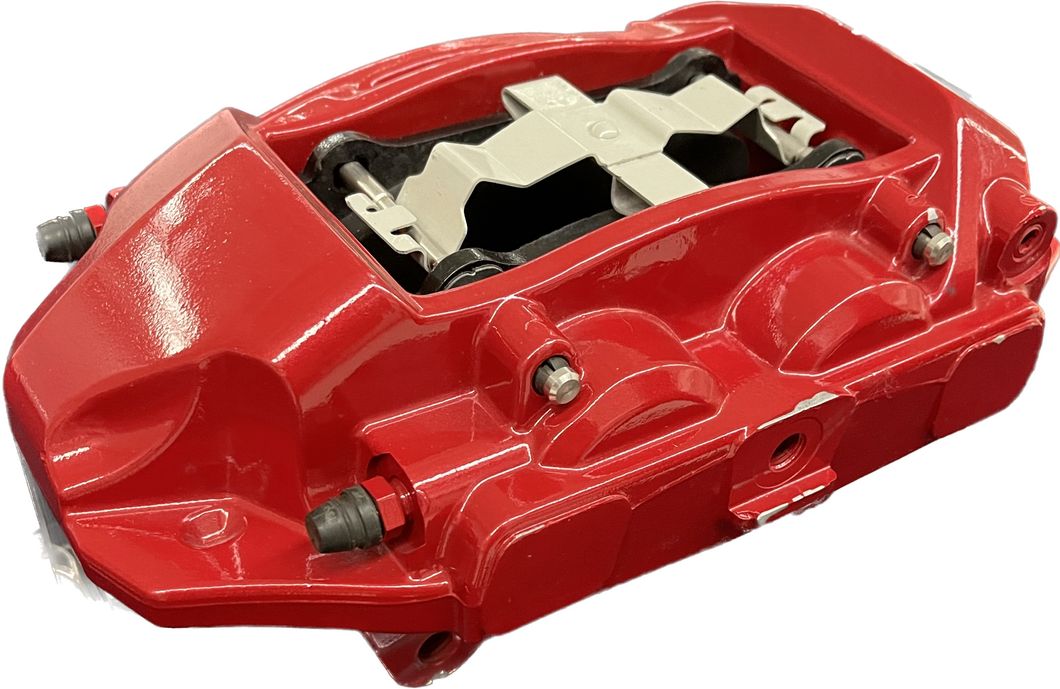
A brake caliper is a fundamental component of your vehicle’s disc brake system, acting as a hydraulic clamp that forces the brake pads against the spinning brake rotor. When you depress the brake pedal, hydraulic fluid pressure pushes a piston within the caliper, which in turn squeezes the brake pads onto the rotor, creating the friction necessary to slow or stop the vehicle.
Caliper seizure typically occurs when parts of the assembly, such as the piston or guide pins, become stuck and can no longer move freely. This is most often caused by rust and corrosion, which bind the moving metal components. Environmental factors like moisture, road salt, and even contaminated brake fluid can accelerate this corrosive process. If the rubber dust boot protecting the piston tears, moisture and dirt can enter, leading to corrosion of the piston itself and causing it to stick in the “out” position.
Another common point of failure is the caliper’s slide pins, especially in floating caliper designs prevalent in most modern vehicles. These pins allow the caliper to move laterally, ensuring even pressure on both inner and outer brake pads. If these pins lack lubrication or become corroded by road debris and moisture, the caliper can’t slide properly, leading to uneven braking and eventual seizure.
The 7 Critical Symptoms of a Seized Brake Caliper
1. Vehicle Pulling to One Side
One of the most noticeable and dangerous symptoms of a seized brake caliper is your vehicle consistently pulling to one side, whether you’re braking or even just driving straight. This occurs because the seized caliper is applying constant or uneven pressure to the brake pads on one wheel, creating an imbalance in braking force across the axle. For example, if a front-right caliper is seized, the vehicle will tend to pull to the right. This pull can be unsettling at low speeds but becomes extremely hazardous at highway speeds or during emergency braking, significantly impacting steering control.
This constant drag on one side creates a continuous deceleration force, effectively acting like a partially engaged brake. The vehicle’s onboard computer may try to compensate, but the mechanical resistance from the seized caliper will overpower these adjustments. This can make the car feel like it has a mind of its own, requiring constant steering correction to maintain a straight path.
A seized caliper preventing the brake pads from fully releasing means that specific wheel is experiencing continuous friction. This uneven application of braking force directly affects vehicle stability and directional control. It’s crucial not to confuse this with alignment issues; if the pulling sensation changes or intensifies with braking, a caliper issue is highly probable.
2. Burning Smell and Excessive Heat
A distinct, sharp burning smell emanating from one of your wheels after driving is a strong indicator of a seized brake caliper. This odor is the result of the brake pad material overheating due to continuous friction against the rotor. Since the caliper isn’t releasing, the brake pad is constantly rubbing, generating an extreme amount of heat, often exceeding normal operating temperatures which typically range from 100°C to 400°C (212°F to 752°F) under normal street driving conditions.
Upon stopping, you may also notice one wheel feeling significantly hotter to the touch than the others, or even visible smoke rising from the wheel well. Temperatures can escalate dramatically, with rotor bulk temperatures potentially reaching 400°C to 600°C (750°F to 1,100°F) under aggressive braking, but a seized caliper maintains this heat constantly. Such excessive heat can not only destroy the brake pad and warp the brake rotor but also cause the brake fluid to boil. Boiling brake fluid leads to vapor lock, where compressible vapor bubbles form in the hydraulic system, resulting in a sudden and dangerous loss of braking power.
The intense heat also significantly reduces the lifespan of surrounding components, including wheel bearings and tires. Sustained temperatures over 220°C (428°F) on the caliper body risk damaging its seals and the critical fluid within. If you detect a burning smell or excessive heat, it’s vital to pull over safely and allow the system to cool, then have it inspected immediately.
3. Reduced Braking Performance
A seized brake caliper directly impairs your vehicle’s ability to slow down or stop effectively, leading to reduced braking performance. This happens because the continuous friction from the dragging pad causes brake fade, a condition where the braking system loses efficiency due to overheating. The affected brake assembly becomes less capable of dissipating heat, and the pad material may degrade, resulting in a lower friction coefficient when you actually press the brake pedal.
You might notice increased stopping distances or a general lack of responsiveness when you apply the brakes. The vehicle may feel sluggish, as if it’s being constantly held back, even when you’re trying to accelerate. This continuous drag forces the engine to work harder to overcome the resistance, directly impacting overall vehicle performance and fuel efficiency.
If the caliper is only partially seized or the issue is with the slide pins, the brake pads might not be applying even pressure to the rotor, further compromising stopping power. This can also lead to a spongy brake pedal feel if the excessive heat boils the brake fluid or if there’s a fluid leak associated with the caliper. Reduced braking power is a significant safety concern that warrants immediate attention.
4. Squealing or Grinding Noises (Constant)
While worn brake pads often produce a high-pitched squealing sound due to their built-in wear indicators, a seized brake caliper can generate persistent squealing or grinding noises that don’t necessarily go away when you release the brake pedal. This noise typically indicates metal-on-metal contact or severe, constant friction between the brake pad and the rotor.
The sounds can vary from a rubbing or squealing at first, escalating to a harsh metallic grinding or scraping if left unaddressed. This is different from the intermittent squeal of a worn brake pad indicator, which typically activates only when braking. With a seized caliper, the pad is always in contact with the rotor, causing the noise to be present even while cruising.
If the grinding is severe, it suggests that the brake pad has worn down completely due to the constant drag, and the metal backing plate of the pad is now scraping directly against the brake rotor. This not only damages the rotor but also further exacerbates heat generation and significantly reduces braking effectiveness. Any persistent abnormal noise from the wheels should be investigated promptly to prevent irreversible damage to critical braking components.
5. Increased Fuel Consumption
An often-overlooked symptom of a seized brake caliper is a noticeable decrease in fuel efficiency. When a caliper is seized, it causes continuous drag on the affected wheel, essentially acting like a partial brake application at all times. This constant resistance forces the engine to work harder to maintain speed, especially during acceleration and cruising, thereby consuming more fuel.
The additional workload placed on the engine translates directly into reduced miles per gallon (MPG). While a slight increase in fuel consumption might not be immediately alarming, significant drops in MPG—potentially 5-10% or more in severe cases—can indicate a dragging brake. This hidden cost accumulates over time, making a seized caliper not just a safety hazard but also an economic drain.
If your vehicle feels sluggish or you find yourself visiting the gas station more frequently without a change in driving habits, a dragging brake system, possibly due to a seized caliper, should be considered as a potential cause. This symptom reinforces the importance of regular vehicle inspections to catch such issues before they lead to more serious and expensive problems.
6. Spongy or Hard Brake Pedal
The feel of your brake pedal can provide crucial clues about the health of your braking system. A seized caliper can manifest as either a spongy/soft pedal or, conversely, a very hard pedal. A spongy or soft pedal often results from compromised hydraulic pressure within the system, typically due to air entering the brake lines or a fluid leak from the caliper’s seals. As the caliper experiences excessive heat, seals can degrade, leading to fluid leaks or even boiling of the brake fluid.
Brake fluid leaks are a significant concern as they reduce the fluid volume and allow air into the system. Air is compressible, unlike brake fluid, which means a portion of your pedal travel will simply be compressing air bubbles rather than transmitting force to the pads, resulting in a soft and ineffective pedal feel. A leaking caliper piston seal or bleeder screw can be the culprit.
On the other hand, a hard brake pedal can indicate that the caliper piston is completely stuck in its bore, requiring excessive force to try and move the already jammed mechanism. This means that despite pressing the pedal with considerable effort, the brakes do not engage effectively, leading to a dangerous lack of stopping power. Both scenarios compromise braking ability and demand immediate professional inspection.
7. Uneven Brake Pad Wear
Visually inspecting your brake pads can reveal significant insights into the health of your calipers. Uneven brake pad wear is a classic symptom of a seized caliper. If one brake pad on a specific wheel is significantly more worn than the opposing pad (e.g., the inner pad is worn to metal while the outer pad looks relatively new), or if pads on one wheel are far more worn than those on the other side of the vehicle, it strongly suggests a caliper is not functioning correctly.
This uneven wear pattern occurs because a seized caliper piston prevents the inner pad from fully retracting, or seized guide pins restrict the caliper’s ability to clamp evenly, causing constant friction on one side of the rotor. The affected pad will wear down at an accelerated rate, potentially exposing the metal backing plate to the rotor, leading to grinding noises and further damage to the rotor itself.
The discrepancy in wear can be substantial; for instance, one pad might be worn down to less than 2mm, while the other still has 5mm or more of friction material. Vehicle manufacturers typically specify a minimum pad thickness, often around 2-3mm, at which pads should be replaced. If this uneven wear is present, it’s not simply a matter of replacing the pads; the underlying caliper issue must be addressed to prevent recurrence and ensure proper braking function. Routine inspection of brake pads and rotors for uniform wear is a proactive measure against caliper failure.
Seized Brake Caliper vs. Worn Brake Pads: Understanding the Difference
While both seized brake calipers and worn brake pads can produce similar audible signals like squealing or grinding, their underlying causes and implications for your braking system are distinctly different. Conventional brake pad wear occurs gradually and intermittently, primarily when the brakes are applied. Brake pads typically have a lifespan of 30,000 to 70,000 miles, with wear indicators designed to alert drivers when replacement is necessary, usually via a high-pitched squeal upon braking.
In contrast, a seized brake caliper signifies a mechanical failure where the brake pads are physically prevented from disengaging from the rotor, leading to constant friction and heat, even when the brake pedal is not pressed. This continuous drag generates extreme temperatures that can warp rotors, boil brake fluid (leading to vapor lock), and severely degrade brake performance. The grinding or squealing from a seized caliper is often more persistent and can occur while driving, not just during braking, indicating ongoing metal-on-metal contact.
The comparison is critical: regular pad wear means friction material is consumed as designed, but a seized caliper means the entire system is being forced to work against itself, creating continuous resistance and exponential damage. A common test to differentiate is checking wheel temperature after a drive; a seized caliper will make one wheel significantly hotter than the others. Additionally, visual inspection will reveal uneven pad wear with a seized caliper, whereas evenly worn pads (unless exceptionally thin) typically point to normal wear.
How to Diagnose a Seized Brake Caliper
Diagnosing a seized brake caliper accurately requires a systematic approach, often starting with careful observation of the symptoms and then proceeding to physical inspection. Initially, pay close attention to the feel of your vehicle while driving: is it pulling to one side, does it feel sluggish, or do you detect any unusual noises or burning smells? These initial observations are crucial for narrowing down the problem area.
A simple yet effective diagnostic step involves using an infrared thermometer. After a short drive, carefully measure the temperature of each wheel hub and brake rotor. A significantly higher temperature on one wheel, especially if it exceeds typical operating temperatures (e.g., above 200°C on the caliper body or significantly hotter than the opposing wheel), strongly suggests a dragging or seized caliper on that side. For instance, a difference of over 25°C between front-to-rear or side-to-side temperatures is usually significant.
Further inspection requires jacking up the vehicle safely and removing the wheels. With the wheels off, visually inspect the brake pads for uneven wear patterns. If one pad is considerably thinner than the other on the same caliper, or if the pads on one wheel are far more worn than those on the opposite side, it’s a strong indicator of a caliper issue. You can also try to manually turn each wheel; a seized caliper will cause significantly more resistance on the affected wheel. Additionally, carefully inspect the caliper’s guide pins and piston dust boots for signs of corrosion or tears. Trying to push the caliper piston back with a C-clamp or specialized tool can also reveal if it’s seized. If it doesn’t retract smoothly, the piston is likely stuck.
The Risks of Ignoring a Seized Brake Caliper
Ignoring a seized brake caliper is a significant safety hazard that can lead to a cascade of costly and dangerous problems. The continuous friction from a dragging brake generates extreme heat, which can quickly warp your brake rotors, making them unusable. Rotors, designed to dissipate heat, lose this capacity when excessively thin or warped, increasing braking distances and reducing overall stopping power. A warped rotor, even after machining, may not meet the manufacturer’s minimum thickness specifications (MIN TH), typically etched on the rotor, requiring complete replacement.
Beyond the rotor, the immense heat can cause brake fluid to boil, leading to vapor lock. This phenomenon results in a sudden and complete loss of brake pedal pressure, drastically impairing your ability to stop the vehicle, especially during critical braking situations. The sustained stress and heat also accelerate the wear of other crucial components, including wheel bearings, which can lead to premature failure and potentially a wheel detaching from the vehicle.
Furthermore, the uneven braking force can cause your vehicle to pull sharply, leading to a loss of control, particularly at higher speeds or during emergency maneuvers. This not only endangers you and your passengers but also other road users. Long-term, a neglected seized caliper can also lead to accelerated tire wear on the affected wheel and decreased fuel economy due to constant drag. Addressing a seized caliper promptly is not just about avoiding repair bills; it’s about safeguarding lives and maintaining the integrity of your vehicle’s most vital safety system.
Maintenance Tips to Prevent Caliper Seizure
Proactive maintenance is key to preventing brake caliper seizure and ensuring the longevity and safety of your vehicle’s braking system. Regular brake inspections, ideally at least once a year or every 12,000 miles, are crucial. During these inspections, mechanics should not only check brake pad thickness (which typically range from 30,000 to 70,000 miles in lifespan) but also inspect the calipers, guide pins, and dust boots for signs of wear, corrosion, or damage.
One of the most effective preventive measures is proper lubrication of caliper slide pins. These pins allow the caliper to float and ensure even clamping pressure. During brake service, ensuring these pins are thoroughly cleaned and lubricated with appropriate high-temperature brake grease is vital. Neglecting this simple step is a common cause of caliper seizure, as rust and debris can easily bind the pins.
Regular brake fluid flushes are another critical maintenance item. Brake fluid is hygroscopic, meaning it absorbs moisture over time, which can lead to internal corrosion within the hydraulic system, including the caliper piston bore. Contaminated or old brake fluid can also lower the fluid’s boiling point, increasing the risk of vapor lock under heavy braking. Most manufacturers recommend flushing brake fluid every 2-3 years or every 30,000 to 45,000 miles, depending on the vehicle and fluid type (e.g., DOT 3, DOT 4, DOT 5.1). Adhering to these maintenance practices significantly reduces the risk of caliper seizure and ensures reliable braking performance.
| Characteristic | Normal Brake Operation | Seized Brake Caliper |
|---|---|---|
| Brake Pad Engagement | Intermittent, only when brake pedal is pressed. | Constant, even when brake pedal is not pressed, causing continuous drag. |
| Heat Generation | High during braking, dissipates quickly after release. Caliper temps typically under 200°C (392°F). | Excessive and continuous, leading to caliper temps potentially exceeding 220°C (428°F) and rotor temps up to 600°C (1112°F). |
| Noise Production | Quiet, or high-pitched squeal from wear indicator during braking for worn pads. | Persistent squealing, grinding, or rubbing noises, even while driving. |
| Vehicle Handling | Straight and stable acceleration/deceleration. | Vehicle pulls to one side, especially during braking or while cruising. |
| Fuel Efficiency | Optimal, no undue engine load. | Noticeable decrease (5-10% or more) due to constant drag on the engine. |
| Brake Pad Wear | Even wear across pads on both sides of the vehicle. Lifespan 30,000-70,000 miles. | Uneven wear on pads (e.g., inner vs. outer, or one wheel significantly more worn). |
| Rotor Condition | Smooth, uniform surface; thickness above MIN TH (e.g., typically >20mm for many passenger cars, consult OEM specs). | Warped, discolored (blue/purple/dark gray), or severely grooved; thickness often below MIN TH. |
| Brake Pedal Feel | Firm and responsive. | Spongy/soft (due to leaks/boiling fluid) or excessively hard (due to stuck piston). |
FAQs About Seized Brake Calipers
What causes a brake caliper to seize?
Brake calipers typically seize due to a combination of factors, primarily rust and corrosion affecting the caliper piston or slide pins. The piston, which pushes the brake pads, can corrode if its protective rubber dust boot tears, allowing moisture and road debris to enter. Similarly, the slide pins, which allow the caliper to move freely, can bind if they become rusty or lose lubrication. Other contributing factors include contaminated or old brake fluid, which can cause internal corrosion, or mechanical wear and tear from prolonged use. Vehicles left sitting for extended periods, especially in damp conditions, are also prone to caliper seizure.
Can I drive with a seized brake caliper?
While your vehicle may technically still be drivable with a seized brake caliper, it is strongly advised against. Driving with a seized caliper poses severe safety risks and can lead to significant additional damage. The constant drag can cause extreme heat, which may warp brake rotors, boil brake fluid leading to complete brake failure (vapor lock), and accelerate wear on wheel bearings and tires. Furthermore, the uneven braking force can cause your car to pull dangerously to one side, compromising steering control and increasing the risk of an accident. It is a critical safety issue that requires immediate professional attention.
How much does it cost to replace a seized brake caliper?
The cost to replace a seized brake caliper can vary significantly based on your vehicle’s make, model, the specific caliper (front or rear), and your geographical location. On average, replacing a single brake caliper typically costs between $500 and $1,500, according to industry estimates. This price usually includes both parts and labor. For instance, labor costs might range from $154 to $226, while the caliper part itself could be around $743. High-performance or luxury vehicles may incur higher costs. It’s often recommended to replace calipers in pairs on the same axle to ensure balanced braking, which would double the parts cost. Always obtain a detailed estimate from a certified mechanic.
Is it necessary to replace both brake calipers at the same time?
While not strictly mandatory in every scenario, replacing both brake calipers on the same axle (e.g., both front or both rear) is highly recommended. This practice helps ensure balanced braking forces across the axle, preventing uneven wear on new pads and rotors, and maintaining consistent vehicle handling during braking. If only one caliper is replaced, the new caliper may have different performance characteristics (e.g., piston movement, fluid pressure response) compared to the older, potentially worn, caliper on the opposite side. This imbalance can lead to the vehicle pulling to one side or premature wear of the new components. Many mechanics will advise replacing in pairs, especially if the seizure was due to systemic issues like contaminated brake fluid or widespread corrosion.