“`html
A clogged car oil filter is a critical issue that can severely compromise your engine’s health and lead to costly repairs if left unaddressed. Recognizing the symptoms of a bad oil filter early is crucial for maintaining optimal vehicle performance and preventing irreversible engine damage. For more insights on how to identify potential issues, check out Is Your Engine Choking? 6 Symptoms of a Clogged Oil Filter You Can’t Ignore.
Why is a Healthy Oil Filter Crucial for Your Engine’s Longevity?
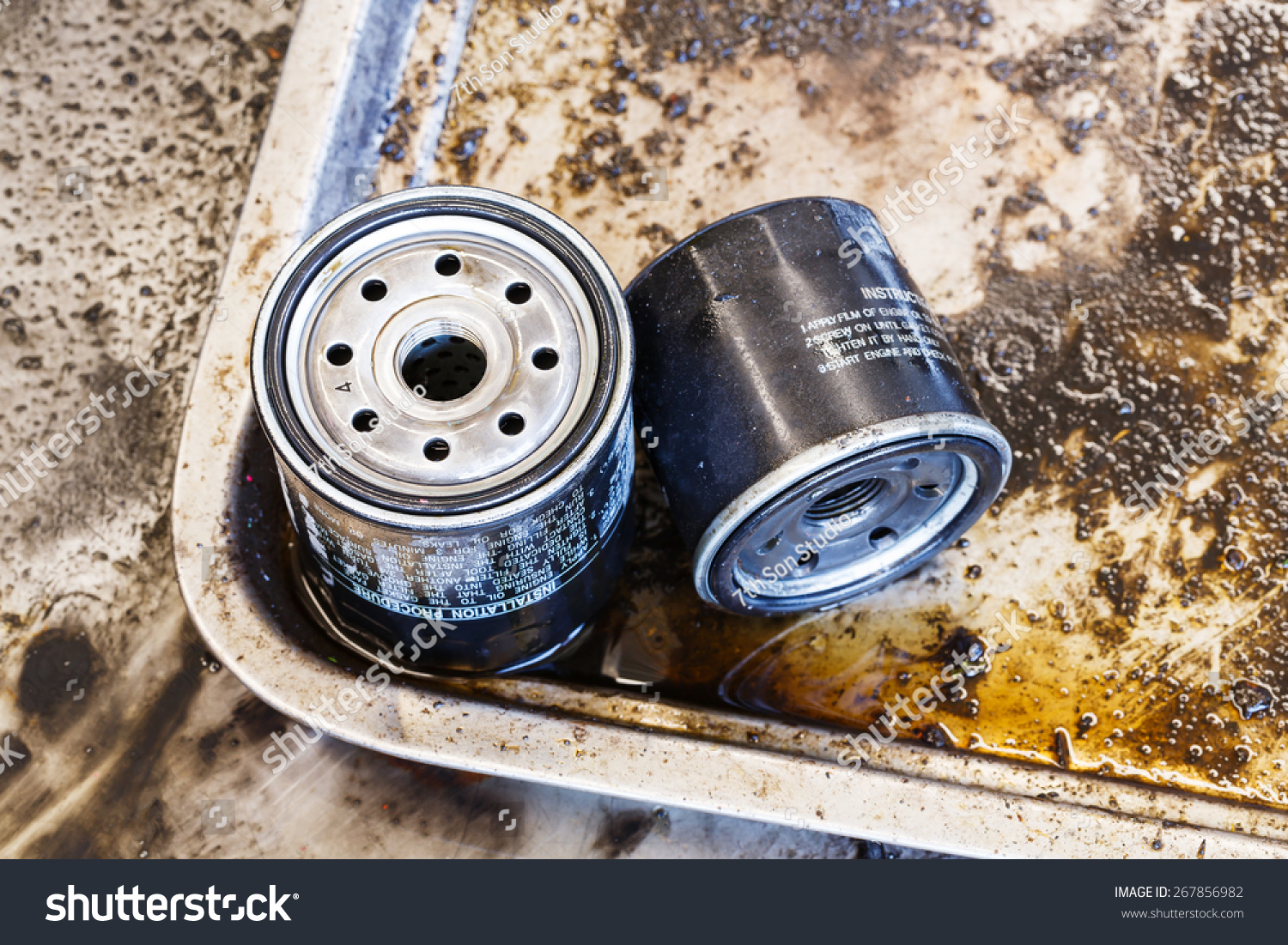
The oil filter is a vital component in your vehicle’s lubrication system, acting as the kidney of your engine by removing contaminants from the circulating oil. Its primary function is to trap dirt, metal particles, carbon deposits, and other harmful debris, ensuring that only clean oil lubricates the engine’s intricate moving parts. This continuous filtration process is essential for reducing friction and preventing wear and tear, thereby extending the lifespan of your engine.
Without an effectively functioning oil filter, these abrasive contaminants would circulate freely, causing increased friction between components like bearings, pistons, and camshafts. This accelerated wear can lead to premature component failure and significantly reduce the overall efficiency and longevity of the engine. Therefore, maintaining a healthy oil filter is not merely about routine upkeep but is fundamental to safeguarding your engine’s internal integrity.
The filter media, often made of cellulose or synthetic fibers, is designed to capture particles down to a microscopic level, typically ranging from 5 to 30 microns. Over time, as the filter accumulates these contaminants, its capacity to allow clean oil to pass through diminishes, leading to restricted oil flow. This restriction can trigger a cascade of issues that directly impact engine performance and reliability, underscoring the importance of timely replacement.
What Are the Key Warning Signs of a Clogged Oil Filter?
Identifying
“`