Recognizing bad brake rotor symptoms is essential for automotive safety and performance. Detecting these signs early can prevent costly repairs and enhance the lifespan of your braking system. Here, we outline the top five symptoms you should be aware of and guide you on when to resurface or replace your brake rotors.
What Are the Common Symptoms of Bad Brake Rotors?
A range of symptoms can indicate issues with your brake rotors. Typically, vehicle owners will notice a combination of physical sensations and unusual noises when braking. The most common symptoms include:
- Pulsation in the Brake Pedal: If you feel a pulsing sensation in the brake pedal while applying brakes, it suggests that the rotors may be warped. This deformation typically occurs due to uneven wear or exposure to extreme heat.
- Grinding or Squealing Noises: Any grinding or squeaking noise when braking could indicate that the brake pads have worn down, leading to direct contact with the rotor, further damaging its surface.
- Vibration in the Steering Wheel: A vibration that correlates with braking can signify uneven surfaces on the rotors. This sensation can be an alarming indicator of potential rotor failure.
- Increased Stopping Distances: Worn rotors can cause longer stopping distances. If you notice that your vehicle isn’t responding as swiftly as before, it’s critical to inspect the rotors immediately.
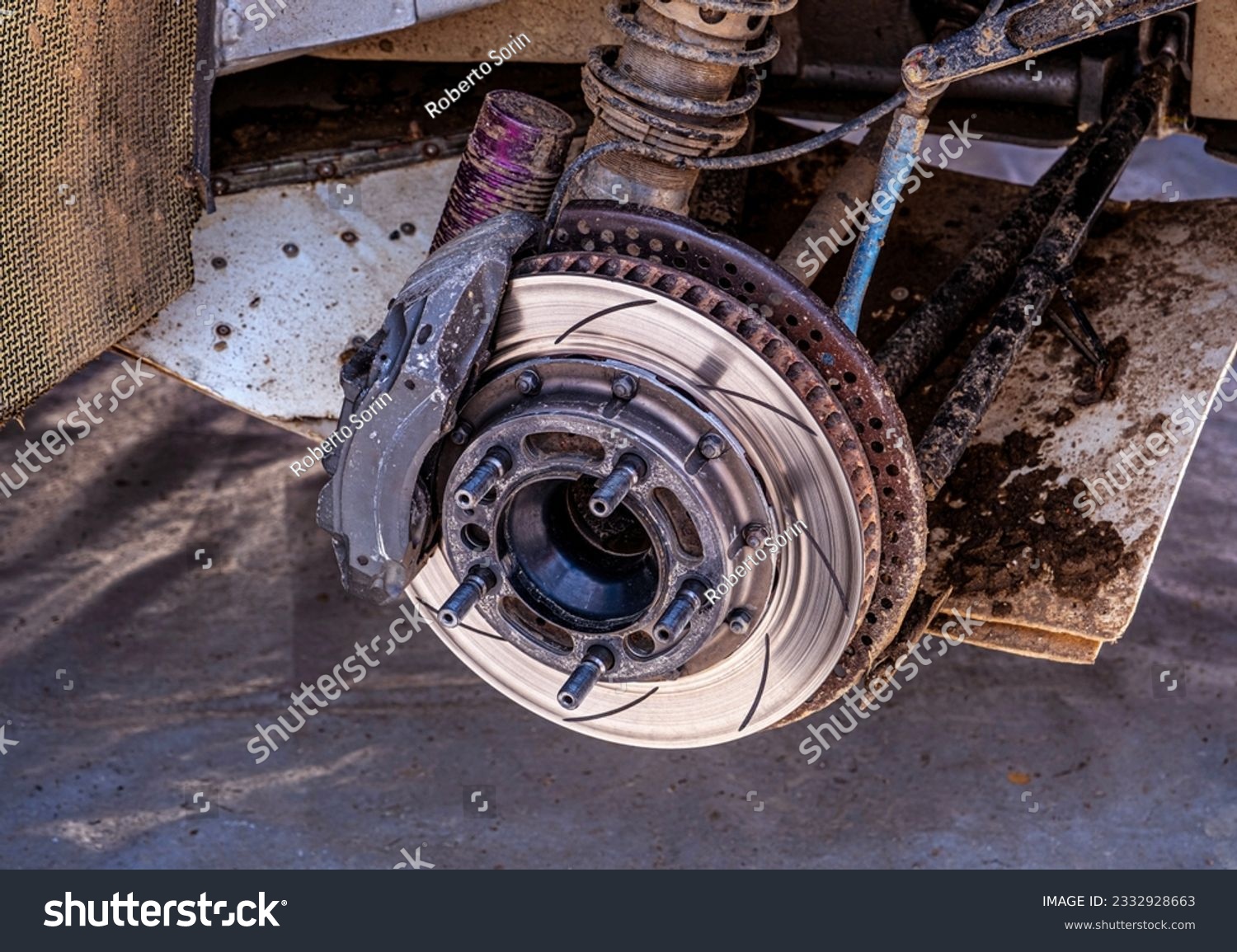
- Visible Damage: Physical examination of the rotors can reveal cracks, grooves, or other signs of wear which impact brake performance. A thorough inspection is necessary if you suspect damage.
When Should You Resurface Your Brake Rotors?
Resurfacing your brake rotors can be a cost-effective solution when the wear is minimal. Typically, rotors can be resurfaced if:
- The thickness of the rotor is still above the minimum specification set by the vehicle manufacturer.
- There are no significant cracks or deep grooves that could compromise integrity.
- The rotors have not been heated beyond their thermal limits excessively, ensuring they have not warped from thermal cycling.
Generally, resurfacing is recommended if the rotor is experiencing minor imperfections like a slight unevenness or fading from standard wear. It is, however, crucial to consult a professional for precision measurements.
When Is It Time to Replace Bad Brake Rotors?
While resurfacing is an option in specific cases, certain conditions dictate that a complete replacement is necessary:
- If the rotors are below the minimum thickness limit, a change is mandatory for maintaining effectiveness.
- Cracks that penetrate deeply into the rotor can severely compromise the braking system, necessitating immediate replacement.
- Rotors with extensive warpage may not perform effectively even after resurfacing; hence, replacing them will ensure safety.
Always keep in mind that replacing rotors typically comes with the installation of new brake pads to maximize braking performance.
How to Diagnostically Assess Your Brake Rotors?
To diagnose the condition of your brake rotors, consider both visual inspections and on-road assessments. For instance, perform the following checks:
- Visual Inspection: Inspect for any cracks, grooves, or discoloration on the rotor surface. Significant surface abnormalities often indicate deeper issues.
- Brake Test: During a slow speed brake test, note any unusual noises or sensations. A professional mechanic can also measure pedal responsiveness.
- Thickness Measurement: Utilize a caliper to measure rotor thickness. Standard minimum thickness is often stamped on the rotor itself.
Following these guidelines will help you maintain your braking system effectively, ensuring safety and longevity.
Summary Table: Surfacable vs Replaceable Brake Rotors
| Condition | Resurface | Replace |
|---|---|---|
| Minor warping | ?? | ? |
| Cracks deeper than 1/8 inch | ? | ?? |
| Minimum thickness met | ?? | ? |
| Extensive surface grooves | ? | ?? |
| Normal wear | ?? | ? |
FAQs
What causes brake rotors to warp?
Brake rotors can warp due to excessive heat exposure, typically from aggressive or prolonged braking. For instance, repeated hard braking can lead to thermal distortion, which may occur at temperatures exceeding 600 degrees Fahrenheit. Maintaining appropriate driving habits can mitigate this risk.
How often should brake rotors be inspected?
It is advisable to inspect brake rotors during regular service intervals, typically every 10,000 to 15,000 miles, or whenever you replace brake pads. Regular monitoring helps in identifying bad brake rotor symptoms early on.
What is the cost difference between resurfacing and replacing rotors?
Resurfacing typically costs between $40 and $100 per rotor, while replacing rotors can range from $150 to $300 or more per rotor, depending on the make and model of the vehicle. Budgeting for these differences is important for your maintenance expenses.
Can I resurface my rotors myself?
While technically possible, resurfacing rotors requires specialized machinery and precision measurements. It is generally recommended to have a professional mechanic conduct this service to ensure safety and performance standards.
Where can I find more information on brake rotor issues?
For further reading and insights, please check these articles: Common Brake Rotor Problems & How to Diagnose Them, Grinding Noise When Braking? Why Your Rotors Might Be Warped, and Identifying Common Brake Rotor Problems: Warping, Grooves, and Cracks.